Here is the SEO-optimized article tailored for the BMW i3 audience, designed to rank for diagnostic and replacement keywords while driving traffic to the specified contact page.
The Complete BMW i3 Battery Diagnostic Handbook: Troubleshooting & Replacement Guide
Is your BMW i3 displaying a “Check Control” message or struggling with range? As a dedicated electric vehicle technician, I understand how stressful battery faults can be. The BMW i3, a pioneer in urban electric mobility, relies heavily on the integrity of its high-voltage battery pack. When issues arise, it’s crucial to distinguish between a simple sensor glitch and a serious battery degradation that requires a full replacement.
At CNS BATTERY, we specialize in providing OEM-compatible, high-performance replacements for the BMW i3. This comprehensive diagnostic handbook is designed to help you identify the root cause of your battery issues and guide you through the process of restoring your vehicle to full health.
Understanding the BMW i3 Battery Architecture
Before diving into diagnostics, it’s essential to understand what makes the BMW i3 battery unique.
The BMW i3 originally utilized a liquid-cooled lithium-ion high-voltage battery pack. Depending on the model year (2014–2023), the capacity varies significantly:
- Early Models (I01): 60 Ah / 22 kWh (usable)
- Later Models: 94 Ah / 33 kWh (usable)
- BEV & REx Variants: Both utilize similar pack structures but with different thermal management requirements.
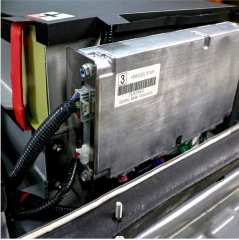
The core of the system is the Battery Management System (BMS). This electronic brain monitors cell voltage, temperature, and state of charge. Most “battery faults” displayed on the i3’s screen originate from the BMS detecting an imbalance or a hardware failure within the modules.
Common BMW i3 Battery Fault Codes & Symptoms
When the high-voltage system fails, the i3 is rendered immobile. Here are the most common diagnostic trouble codes (DTCs) and symptoms you might encounter:
1. “High Voltage Battery: Visit Workshop”
This is the most generic fault. It usually indicates a cell voltage deviation. The BMS has detected that one or more cells have dropped below the minimum threshold or are significantly out of balance with the rest of the pack.
2. “High Voltage Battery Precharge Fault”
This error occurs during the vehicle startup sequence when the system attempts to equalize the voltage between the battery and the inverter. A precharge fault often points to a blown precharge resistor or a malfunctioning contactor (relay) within the battery pack.
3. “Reduced Power” or “Range Reduced”
This symptom indicates severe battery degradation or thermal issues. If the battery cannot maintain the required voltage under load, the vehicle enters “limp mode” to protect the electronics.
Step-by-Step Diagnostic Procedure
To accurately diagnose a BMW i3 battery, you need specific tools. Here is the professional workflow:
Step 1: Visual Inspection
Open the rear hatch and inspect the high-voltage connectors. Look for signs of coolant leakage. The i3 battery uses a glycol-based coolant; if this leaks, it can cause corrosion on the cell interconnects, leading to resistance faults.
Step 2: BMS Data Logging
Using a professional diagnostic tool (such as ISTA or a qualified aftermarket scanner), connect to the vehicle and read the BMS data. Focus on:
- Cell Block Voltages: Are all cell blocks sitting within 0.05V of each other? A significantly lower block indicates a “dead” module.
- Temperatures Sensors: Ensure all temperature sensors are reporting within a 5°C range.
- Error Memory: Clear the codes and see if they return immediately.
Step 3: Physical Voltage Test
If the scanner is unavailable, use a multimeter. Access the battery connector and measure the voltage directly at the terminals. A healthy i3 battery should read between 320V and 400V (depending on the state of charge). If the voltage reads below 250V, the internal contactors are likely not closing due to a BMS fault.
When is a Full Battery Replacement Necessary?
Based on our decade of R&D experience, there are specific scenarios where repair is not viable, and a complete replacement is the only solution:
- Multiple Cell Failures: If more than 20% of the cell blocks are degraded, the cost and labor of individual cell replacement outweigh the cost of a new pack.
- BMS Hardware Failure: If the BMS circuit board is fried or corrupted beyond reprogramming, replacing the entire pack is safer.
- Severe Swelling or Damage: Physical damage to the battery casing or swollen cells indicates a safety hazard that cannot be repaired.
Why Choose a CNS BATTERY Replacement?
When your diagnostics confirm a total replacement is needed, choosing the right supplier is critical. Unlike refurbished or second-hand packs, CNS BATTERY offers a superior solution:
- Brand-New CATL Cells: We utilize brand-new, original battery cells from CATL (Contemporary Amperex Technology Co. Limited), the world’s largest battery manufacturer. This ensures top-tier performance and safety, unlike recycled or degraded cells found in refurbished units.
- OEM Precision Fit: Our packs are engineered to meet Original Equipment Manufacturer standards. They are a direct plug-and-play solution for your BMW i3, requiring no modifications to wiring or brackets.
- Unbeatable Warranty: We back our confidence in quality with a 2-year / 80,000 km warranty. This covers manufacturing defects and ensures your battery maintains at least 70% capacity over the warranty period—far exceeding industry standards for aftermarket batteries.
Upgrading Your Range: Beyond the Original Specs
One of the most exciting aspects of replacing a BMW i3 battery with a CNS unit is the potential for an upgrade.
While the original i3 was limited to 33 kWh (usable), our advanced R&D allows us to offer high-capacity solutions. You can upgrade your i3 to a 50kWh or even a 62kWh lithium battery pack.
The Impact:
- Original Range: ~180-200 km (110-125 miles)
- Upgraded Range (with CNS): ~290-430 km (180-265 miles)
This transformation turns your aging i3 into a modern long-range EV, all while maintaining the iconic design and driving dynamics BMW is known for.
The Installation Process
Installing a CNS BMW i3 battery is designed to be straightforward for professionals or experienced DIYers.
- Safety First: Disconnect the 12V auxiliary battery.
- Drain Coolant: If your model has a liquid-cooled pack, drain the coolant from the battery rails.
- Disconnect HV: Unplug the high-voltage connector.
- Remove Old Pack: Lower the old battery from the chassis.
- Install New Pack: Lift the CNS battery into place. Ensure the mounting bolts are torqued correctly.
- Reconnect & Program: Reconnect the HV plug and coolant lines. Use a diagnostic tool to register the new BMS with the vehicle (our technical team provides full programming support).
Conclusion
Diagnosing a BMW i3 battery fault doesn’t have to be a mystery. By understanding the common fault codes and performing simple voltage and data checks, you can determine if your vehicle needs a repair or a complete replacement.
If your diagnostics point toward a replacement, don’t settle for the high cost of a brand-new OEM battery from the dealership. CNS BATTERY offers a cost-effective, high-quality alternative that saves you over 50% while offering superior range and a longer warranty.
Ready to restore your BMW i3 to peak performance?
Get a Free Custom Quote for your BMW i3 Battery Solution today.
Contact Our Technical Experts Now
Frequently Asked Questions (FAQ)
Q1: How do I know if my BMW i3 battery is bad?
A: Common signs include the “Visit Workshop” warning, the vehicle entering “Reduced Power” mode, or the car failing to start (displaying “High Voltage System Malfunction”). If your range has dropped significantly (e.g., below 100km on a full charge), the battery cells are likely degraded.
Q2: Can I install a CNS BATTERY pack myself?
A: Yes, our batteries are designed for plug-and-play installation. However, working with high-voltage systems is dangerous. We recommend having it installed by a certified technician. If you are a DIYer, we provide detailed installation videos and step-by-step manuals. If you encounter programming issues, our customer service offers remote video guidance to assist you.
Q3: What is the warranty on a CNS BMW i3 battery?
A: We offer a minimum 2-year / 80,000 km warranty on our automotive batteries. This warranty covers defects in materials and workmanship. We also provide prorated coverage for performance degradation, guaranteeing the battery maintains at least 70% capacity during the warranty period.
Q4: Will a new CNS battery fit my specific BMW i3 model?
A: Absolutely. Our batteries are engineered to be compatible with various BMW i3 models (including different kWh variants). Before purchasing, we offer a free compatibility assessment. Simply provide your Vehicle Identification Number (VIN), and our experts will confirm the perfect match for your vehicle.