Stop Overpaying for Nissan Leaf Batteries: The DIY Enthusiast’s Guide to Affordable Upgrades
TL;DR: Tired of the sky-high prices for OEM Nissan Leaf batteries? This guide is for the savvy DIYer looking to upgrade their Nissan Leaf battery without breaking the bank. We dive deep into how you can source high-quality, brand-new CATL cells directly, saving over 50% compared to dealerships. Whether you drive a ZE0, AZE0, or ZE1, discover how to reclaim your driving range and perform a professional-grade swap in your garage.
The DIY Dilemma: Why Are Replacement Batteries So Expensive?
If you are reading this, you are likely facing a common frustration among electric vehicle (EV) owners: the cost of replacing an old or degraded battery pack. For Nissan Leaf owners, the official dealer quote for a new OEM battery can often exceed $12,000 to $16,000. That price tag is often prohibitive, forcing owners into a tough decision: spend a fortune on a repair, buy a new car, or scrap a perfectly good vehicle.
As a fellow enthusiast and expert in the EV aftermarket, I understand the mechanic’s instinct to fix it yourself. However, the market is flooded with confusing options: used packs, refurbished modules, and cheap knock-offs. Many DIYers fall into the trap of buying “cheap” refurbished batteries only to find they fail within months due to swollen cells or BMS (Battery Management System) errors.
The solution? Sourcing a brand-new, professionally engineered pack designed specifically for the DIY market.
Introducing the DIY Solution: Factory-Quality for Half the Price
The core philosophy of a successful DIY upgrade is “New Cells, Smart Price.” Why settle for someone else’s old, degraded battery when you can get a brand-new one?
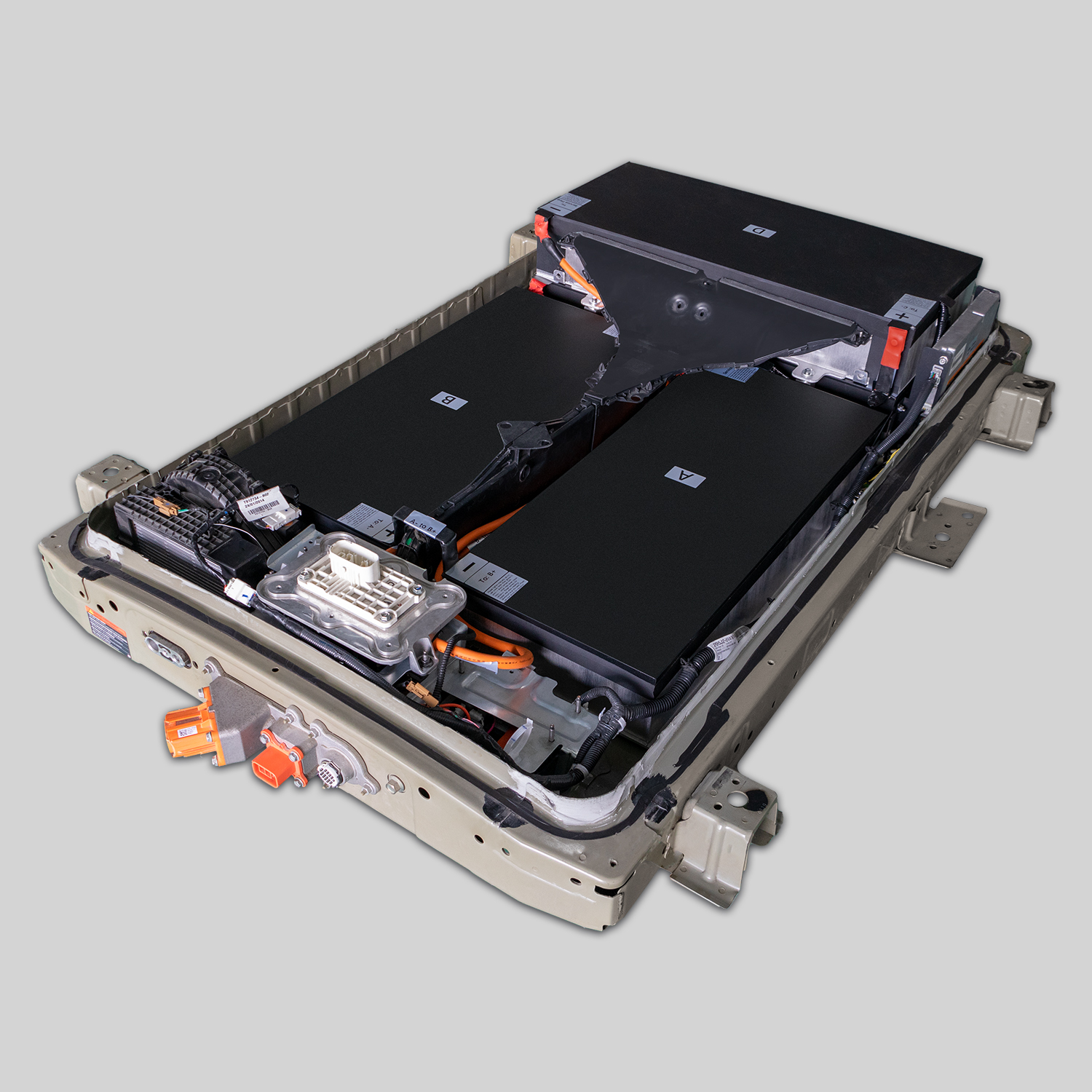
The current trend in the aftermarket is using brand-new CATL (Contemporary Amperex Technology Co. Limited) cells. CATL is the world’s largest battery manufacturer and a direct supplier to major OEMs like BMW and Nissan. By utilizing these top-tier cells in a custom-designed pack, companies like CNS BATTERY offer a solution that matches the quality of the original factory battery but at a fraction of the cost.
The DIY Math:
- OEM Dealer Price: ~$15,000
- Cheap Refurbished (Risky): ~$3,000 – $5,000 (Often fails quickly)
- New CATL DIY Kit (Smart Choice): ~$7,800
By cutting out the massive dealership markup and focusing on direct-to-consumer sales, you save over 50% while gaining the peace of mind that comes with brand-new, high-density lithium cells.
Compatibility: Which Nissan Leaf Models Can You Upgrade?
One of the biggest concerns for a DIYer is fitment. You don’t want to buy a battery only to find the connectors don’t match your car. Fortunately, the aftermarket has standardized solutions for the most popular Leaf generations.
Here is a quick breakdown of compatible models and the upgrade potential:
| Model Code | Common Years | Standard Capacity | Upgrade Potential |
|---|---|---|---|
| Nissan Leaf ZE0 | 2011 – 2017 | 24kWh / 30kWh | 40kWh / 62kWh |
| Nissan Leaf AZE0 | 2018 – 2020 | 40kWh | 50kWh / 62kWh |
| Nissan Leaf ZE1 | 2018 – 2023 | 62kWh | 62kWh / 68kWh |
| Nissan e-NV200 | 2019+ | 40kWh | 50kWh |
Note: The ZE0 and AZE0 models see the most dramatic transformation. Swapping a degraded 24kWh pack for a new 62kWh unit can turn a city commuter into a long-range vehicle capable of 200+ miles on a charge.
Why Brand-New CATL Cells Are the DIY Standard
When you are doing the work yourself, reliability is paramount. You don’t want to have to disassemble your car again in six months.
1. Zero “Hidden” Degradation
Refurbished batteries are a gamble. You never know the true health of second-hand cells. Brand-new CATL cells guarantee 100% capacity from day one. These cells are known for their high energy density and thermal stability, meaning your DIY project will last for years, not seasons.
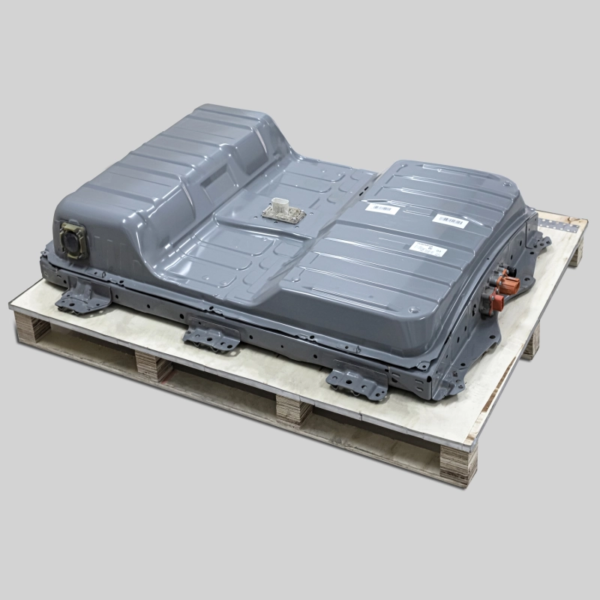
2. Perfect OEM Fitment (Plug-and-Play)
A good DIY battery kit is designed to be a “drop-in” replacement. This means:
- Exact Dimensions: It fits in the same chassis space.
- Matching Connectors: The high-voltage and signal cables match the original car harness.
- BMS Compatibility: The software communicates seamlessly with the Nissan Leaf’s vehicle control unit.
3. The Safety Factor
Lithium batteries are serious hardware. Cheap, non-branded cells often lack the rigorous safety testing of Tier-1 manufacturers like CATL. When you are working under the hood, knowing the cells have passed nail penetration, overcharge, and short-circuit tests is a huge weight off your shoulders.
The DIY Installation Process: Is It Right for You?
You might be wondering, “Can I actually do this myself?” The answer is a resounding yes, provided you have basic mechanical skills and the right tools.
Based on feedback from hundreds of successful installations, here is what the process looks like:
1. Preparation (1 Hour)
Before you even touch a wrench, contact the supplier with your VIN number. This ensures the Battery Management System (BMS) is pre-programmed for your specific car. You will receive insulated gloves, terminal cleaner, and a comprehensive toolkit.
2. The Swap (1.5 – 2 Hours)
The physical installation is straightforward:
- Disconnect: Isolate the 12V battery and the high-voltage service plug.
- Remove: Jack up the car, remove the underbody shields, and unbolt the old pack.
- Install: Lower the new pack into place, reconnect the bolts, and reattach the shields.
- Connect: Plug in the high-voltage connector and the signal cable.
Pro Tip: Most users report that removing the old, heavy pack is the hardest part of the workout!
3. Programming & Testing (30 Minutes)
This is where the “expert” part comes in, but it is handled for you. The BMS usually requires specific programming to handshake with the car. Reputable suppliers offer remote video guidance or pre-program the unit so it is ready to go.
Real User Experience
Take Mark T. from California, for example. He upgraded his 2015 Leaf ZE0 from a degraded 40kWh to a new 62kWh pack. He followed the video tutorial, and it took him about 2 hours. He reported that the BMS programming was successful on the first try, and his range jumped from a struggling 120km to a solid 430km.
The Unbeatable Warranty: Protecting Your DIY Investment
A common misconception is that “cheap” means “no warranty.” This is not true for professionally manufactured aftermarket batteries.
The standard for a quality DIY Nissan Leaf battery is a 2-Year / 80,000 KM (50,000 Mile) Warranty. This is actually longer than the warranty offered on many new OEM replacement packs (which are often 1-3 years / 60,000 km).
This warranty typically covers:
- Manufacturing defects.
- Cell swelling or failure.
- BMS malfunctions.
- Performance degradation (ensuring the pack retains at least 70% capacity).
Conclusion: Revive Your Leaf Today
Don’t let a dead battery kill your Nissan Leaf dream. The technology exists today to perform a professional-grade battery swap in your garage for half the price of a dealership visit.
By choosing a kit built with brand-new CATL cells, you are not cutting corners—you are making a smart, value-driven decision. You get the safety, range, and longevity of a new car battery without the new car price tag.
Ready to reclaim your range? Get a free, no-obligation quote today and see how much you can save on your Nissan Leaf battery upgrade.
Get Your Free Custom Quote Now
Frequently Asked Questions (FAQ)
Q1: Is it difficult to install the battery myself?
A: Not if you are mechanically inclined. The process is similar to changing a transmission or a large engine component. Most DIYers with basic tools (wrenches, jack stands) and the help of a friend can complete the swap in 1-2 hours. We provide HD video tutorials and step-by-step manuals. If you encounter issues with the BMS programming, our technical team offers remote video support to guide you through it.
Q2: How much range can I expect from a new 62kWh pack?
A: A brand-new 62kWh pack typically provides a real-world range of 180-220 miles (approx. 300-350 km), depending on driving conditions, weather, and terrain. This is a massive improvement over the older 24kWh or 30kWh models, which often struggle to reach 80 miles after degradation.
Q3: Are these batteries safe to ship?
A: Yes. We ship as “UN3171 Battery-powered Vehicle” or fully comply with UN38.3 regulations for lithium batteries. We partner with carriers like DHL, FedEx, and UPS for air freight, or use specialized sea freight containers. The packs are shipped at a low State of Charge (SoC) for maximum safety during transit.
Q4: Will this void my car’s remaining warranty?
A: Since the Nissan Leaf is usually out of the original manufacturer’s warranty by the time the battery needs replacing, this is rarely an issue. However, because these packs are designed to OEM specifications (voltage, current, communication protocols), they do not trigger error codes or damage the vehicle’s electronics, minimizing any risk to other components.
Q5: What payment methods do you accept?
A: We accept major payment methods including T/T (Bank Transfer), Credit Cards, and Alibaba Trade Assurance to secure your transaction. For large bulk orders or specific country requirements, please contact our sales team directly.