The Ultimate Guide to a Budget-Friendly Nissan Leaf Plus (ZE1) EV Battery Replacement
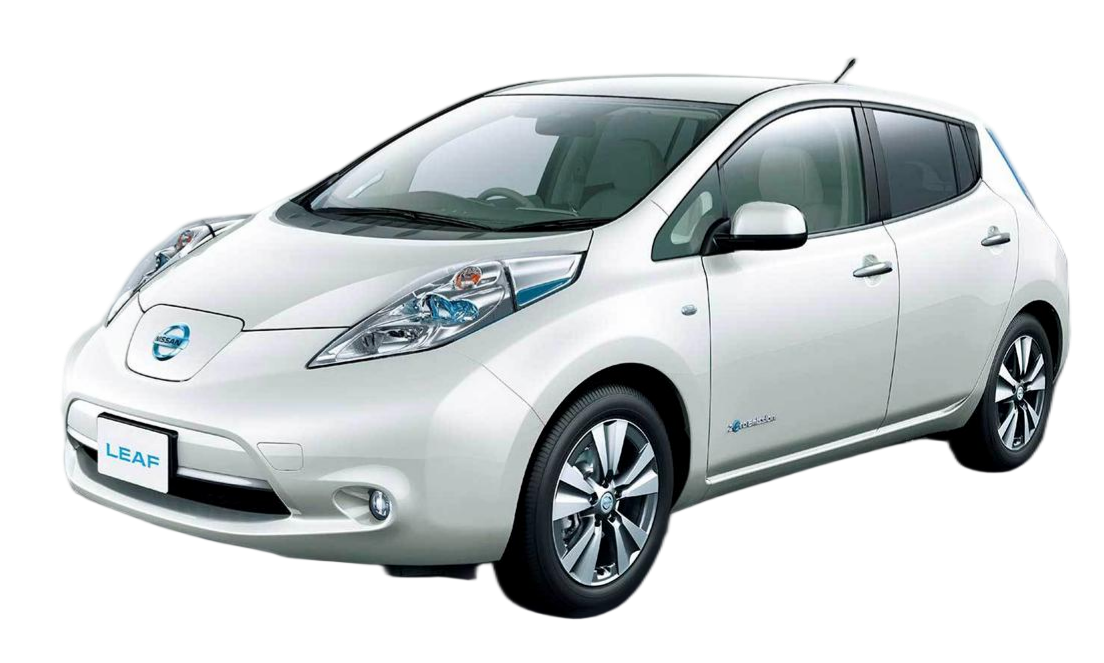
Is your Nissan Leaf Plus struggling to make it to the end of the workweek? You’re not alone. The Leaf ZE1 (2018-2023), while a fantastic electric vehicle, suffers from the same fate as all lithium-ion batteries: degradation. When the range drops below 150km (90 miles), the decision to replace the battery becomes critical. However, the official dealer price for a new ZE1 pack can exceed $16,000 USD, effectively costing more than the car is worth.
This is where the “Ultimate Leaf Plus EV Battery Replacement” strategy comes in. By opting for a high-quality aftermarket or OEM-compatible solution, you can restore your car’s 400km+ range for 50% less than the manufacturer’s price. This guide will walk you through why the ZE1 needs replacing, how to do it affordably, and what to look for in a replacement pack.
Why the Nissan Leaf Plus (ZE1) Battery Fails First
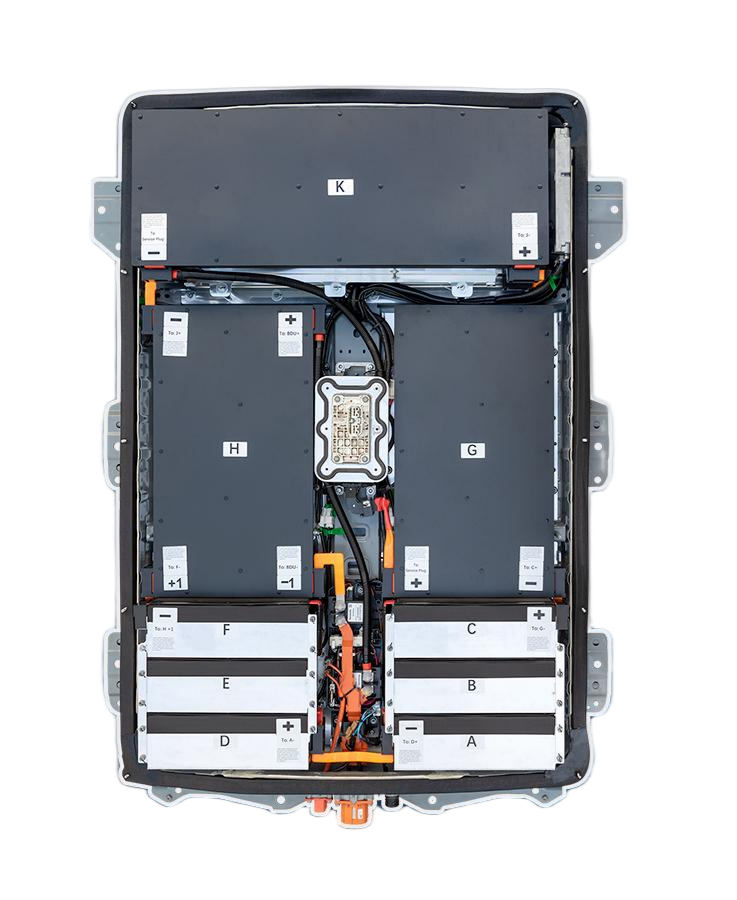
The Nissan Leaf Plus (specifically the ZE1 chassis code) uses a denser 62kWh battery chemistry compared to the older 40kWh/30kWh models. While this offers great range, the specific thermal management (or lack thereof) in the ZE1 pack makes it susceptible to heat damage.
- The Heat Factor: Unlike Tesla or Chevy Bolt batteries, the Leaf ZE1 relies on passive air cooling. In hot climates (like the Southern US, Australia, or Southern Europe), the cells cook over time, leading to rapid capacity loss.
- Cell Chemistry: The ZE1 uses Nickel-Manganese-Cobalt (NMC) cells. While energy-dense, they degrade faster under high temperatures without active cooling.
- Symptoms: You’ll notice the car losing 1-2 bars of charge per year after the first 5 years. Once you hit 8 bars (or 9/12), the car often enters “Limp Mode,” drastically reducing power and range.
The Budget Breakdown: OEM vs. Aftermarket
Replacing the battery is the only way to truly revive a Leaf Plus. Let’s compare the financial reality of your options.
| Feature | Nissan OEM Replacement | Premium Aftermarket (e.g., CNS) | Refurbished/Used |
|---|---|---|---|
| Price Estimate | $14,000 – $18,000+ | $6,000 – $9,000 | $2,000 – $4,000 |
| Cell Quality | Brand New (Standard) | Brand New (CATL/Contemporary Amperex) | Used/Recycled (High Risk) |
| Warranty | 8 Years / 100,000 Miles | 2 Years / 80,000 km | 3-6 Months (If any) |
| Installation | Professional Only | DIY or Professional | DIY or Professional |
| Value Score | Low (Car isn’t worth it) | High (Saves thousands) | Medium (High Failure Risk) |
The Verdict: Paying dealer prices for a Leaf Plus is rarely financially viable. Buying a used or refurbished pack is risky because you’re buying someone else’s degraded battery. The “Ultimate” budget solution is a new cell aftermarket pack using top-tier brand cells.
What Makes a “Budget-Friendly” Battery Safe?
Not all budget batteries are created equal. When searching for a “cheap” Leaf Plus battery, you must verify the cell manufacturer. The gold standard in the aftermarket industry is CATL (Contemporary Amperex Technology Co. Limited).
At CNS BATTERY, our Nissan Leaf ZE1 solutions utilize brand new CATL prismatic cells. Here is why this matters for your “Ultimate” replacement:
- Brand New vs. Salvaged: Many “budget” sellers actually sell refurbished packs from totaled cars. A true budget replacement uses new cells, ensuring a 10+ year lifespan, not a 6-month gamble.
- Safety First: CATL cells are the same quality used in Tesla, Volkswagen, and Ford vehicles. They have a proven safety record and superior thermal stability compared to generic Chinese brands.
- Plug-and-Play Design: The “Ultimate” replacement must be OEM-compatible. This means the Battery Management System (BMS) must communicate with your Leaf’s dashboard without hacking or splicing wires. A good aftermarket pack matches the original voltage and communication protocols perfectly.
Step-by-Step: Replacing Your Leaf Plus Battery
If you’re considering a DIY approach to save even more money, here is a high-level overview of the process. (Note: Always consult the specific manual for your purchased pack).
- Preparation: Ensure you have a hydraulic jack, jack stands, and insulated tools. Disconnect the 12V auxiliary battery first.
- Removal: The ZE1 battery is heavy (approx. 380kg / 838 lbs). You will need a transmission jack or a professional lift. Remove the underbody shield and carefully disconnect the high-voltage connectors and service plugs.
- Installation: Lift the new CNS Nissan Leaf ZE1 62kWh pack into place. Reconnect the HV cables and signal wires. Ensure all torque specifications are met to avoid fire hazards.
- Reset & Calibration: This is the most critical step. After installation, you must perform a “Full Charge Calibration.” Drive the car until it is fully depleted, then charge it to 100% using a Level 1 charger. This allows the BMS to recalibrate the State of Charge (SOC) and display the correct range on your dashboard.
Why Choose a CNS BATTERY Pack?
As experts in the Nissan EV battery field, we understand the hesitation around “budget” replacements. That is why our philosophy is “Original Factory Standards, Half the Price.”
- Zero Compromise on Cells: We use only new CATL cells. You are not buying someone else’s old problems.
- Extended Warranty: We back our “Ultimate” solution with a 2-year / 80,000 km warranty. This is significantly longer than most refurbished battery sellers offer and provides peace of mind that a cheap pack cannot.
- Global DDP Shipping: We handle the complex logistics of shipping lithium batteries (UN 38.3 certified). We offer Delivered Duty Paid (DDP) service to over 50 countries, so you don’t have to navigate customs yourself.
Frequently Asked Questions (FAQ)
Q1: Will a new aftermarket battery void my car’s remaining warranty?
A: No. Installing an aftermarket battery does not automatically void other unrelated warranties on your vehicle. However, the specific battery warranty will be from the aftermarket manufacturer (CNS). We provide full compatibility checks using your VIN to ensure the BMS communication matches Nissan’s specifications perfectly, preventing any dashboard errors that could complicate matters.
Q2: How much range can I expect after installing the new 62kWh pack?
A: You can expect to restore your Leaf Plus to near-new condition. Most users report a real-world range of 240-270 miles (380-430 km) depending on driving style and climate. This is a massive improvement over the degraded 60-100 miles you were likely getting.
Q3: Is the installation really a DIY job?
A: It is technically possible for a mechanically inclined owner with the right equipment (a transmission jack is mandatory). The process takes about 2 hours. However, due to the weight and high-voltage risks, we strongly recommend having it installed by a certified mechanic if you are not experienced with EVs. We provide video call support if you encounter issues.
Q4: How do I know if my car is compatible?
A: Compatibility is based on your chassis code. If you own a Nissan Leaf Plus (SV Plus, SL Plus, or Tekna Plus) from 2018, 2019, 2020, 2021, 2022, or 2023, you have the ZE1 battery. To confirm the exact fitment for your specific trim and market, please contact our technical team.
Q5: What is the total cost, including shipping?
A: Our base price for the 62kWh pack is significantly lower than OEM. For an accurate quote, including DDP (Delivered Duty Paid) shipping to your country, please use the form below. We handle all customs paperwork to avoid surprise fees upon delivery.
Ready to Revive Your Nissan Leaf Plus?
Don’t let a dead battery sentence your Leaf Plus to the scrapyard. For less than half the cost of a new car payment, you can restore your vehicle’s original 400km+ glory.
Get Your Custom Quote Now
Contact Our Technical Experts for Your Leaf ZE1