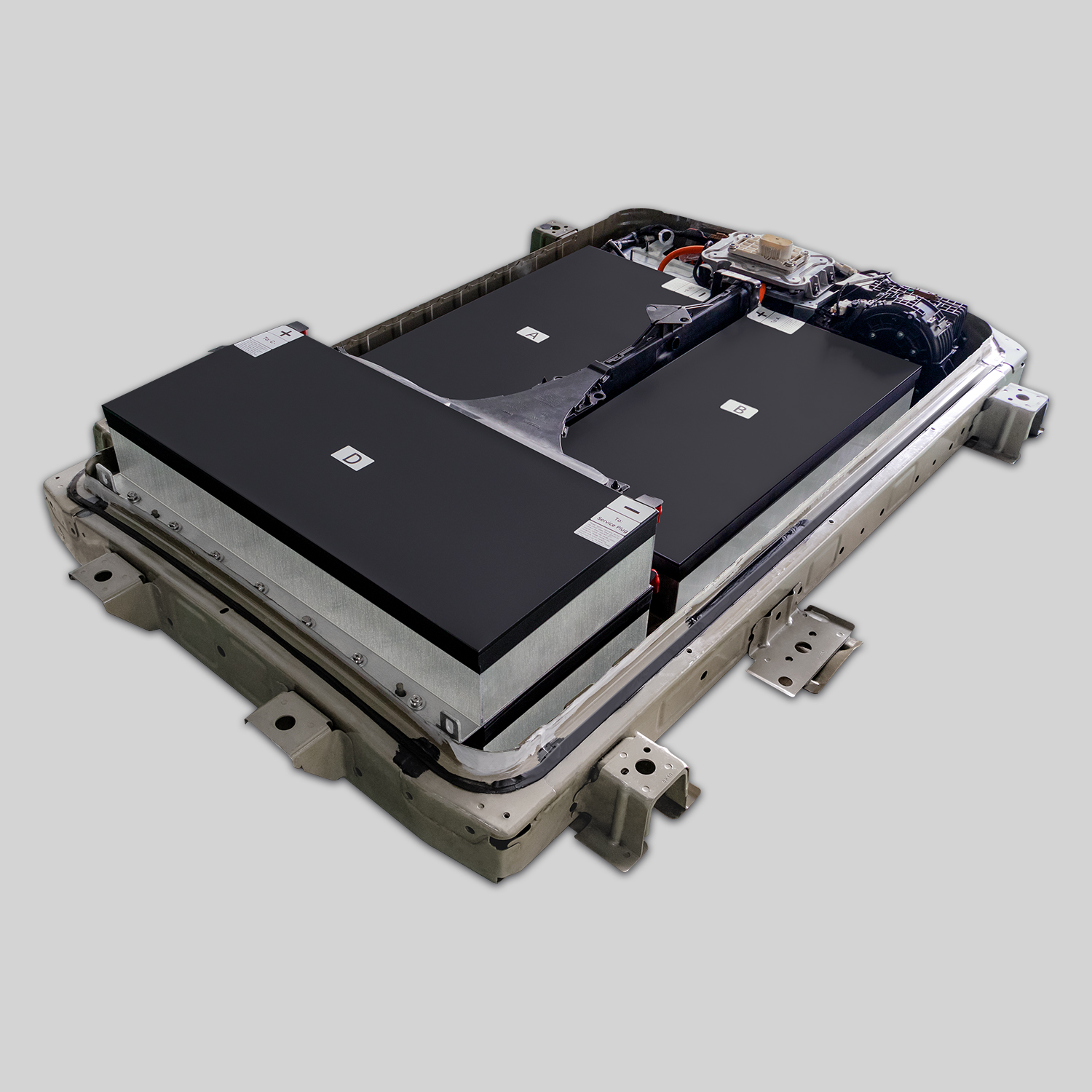
Real-World BMW i3 Battery Charging Experiences: Speed, Safety & Solutions
If you own a BMW i3, the battery is the heart of your driving experience. As these vehicles age, many owners face the reality of degraded range and slower charging speeds. Whether you’re looking to restore your current pack or upgrade to a brand-new solution, understanding real-world charging performance is crucial. This guide dives deep into what you can expect, based on actual user data and technical expertise, to help you make an informed decision.
Understanding Charging Speeds
The charging speed of a BMW i3 battery is not a fixed number; it depends heavily on the battery’s health (State of Health – SOH), temperature, and the charger used. For a standard 42.2 kWh (G26) battery, a healthy pack typically charges at a rate of 11 kW on a Level 2 charger (240V). This translates to roughly 30-40 minutes to go from 20% to 80% at a DC fast charger, depending on the station’s output and ambient conditions.
However, real-world experiences vary. For instance, a user in Berlin, Germany, Lisa K., upgraded her 2017 BMW i3 45kWh battery with a CNS solution. She reported that her charging speed is consistent with the specifications, allowing her to complete weekly commutes on a single charge without the anxiety she previously faced with her degraded original battery.
The Impact of Battery Health on Charging
Battery degradation significantly impacts charging speed. As lithium-ion cells age, internal resistance increases, causing the battery management system (BMS) to throttle charging rates to protect the cells. This is often why older EVs take noticeably longer to charge than when they were new.
To illustrate this, consider the following comparison of charging experiences based on battery condition:
| Battery Condition | Estimated Charging Time (20%-80%) | Real-World User Feedback |
|---|---|---|
| Brand New / Refurbished (High SOH) | 30-40 minutes | “Charging speed is the same as the original. It feels like my car has been revived!” |
| Moderately Degraded | 50-60 minutes | “The charging speed has slowed down, and I need to plan more charging stops for long trips.” |
| Severely Degraded | 70+ minutes | “Charging is very slow, and the range is insufficient for daily use without multiple charges.” |
Charging in Extreme Temperatures
Temperature plays a critical role in charging efficiency. Lithium-ion batteries charge optimally within a specific temperature range. In cold weather, the battery’s internal resistance increases, which can slow down the charging process. Conversely, in hot weather, the battery may enter thermal protection mode to prevent overheating.
A user in Rome, Italy, EK Auto Repair, shared their experience with a CNS battery in high temperatures. They noted that even in the summer heat of 38℃, the battery did not experience any overheating protection issues, and the discharge was very stable. This highlights the importance of a robust Battery Management System (BMS) in maintaining charging performance across different climates.
Solutions for Better Charging Performance
If you’re experiencing slow charging or reduced range, upgrading your battery might be the solution. A brand-new battery pack, such as those offered by CNS BATTERY, can restore your BMW i3 to its original performance levels. These packs are designed to meet OEM standards, ensuring compatibility with your vehicle’s charging systems.
For those looking to upgrade, CNS BATTERY provides a range of options, including the 45kWh, 50kWh, and 62kWh lithium battery packs. These are designed to be plug-and-play, minimizing installation time and ensuring a seamless integration with your BMW i3.
Frequently Asked Questions
1. How long does it take to install a new BMW i3 battery?
Installation time can vary depending on the technician’s experience and the specific model of the BMW i3. Generally, it takes between 1 to 2 hours for a professional technician. For DIY enthusiasts, it may take longer, especially if you are preparing tools and following the installation guide for the first time.
2. Does the new battery come with a warranty?
Yes, all CNS Automotive Batteries come with a minimum 2-year or 80,000 km warranty (whichever comes first). This warranty covers manufacturing defects and ensures that the battery maintains at least 70% capacity over the warranty period.
3. Are there any specific charging tips for the new battery?
To maximize the lifespan and performance of your new battery, it is recommended to avoid charging to 100% on a daily basis. Keeping the charge between 20% and 80% can help extend the battery’s life. Additionally, try to avoid exposing the battery to extreme temperatures for prolonged periods.
4. Can I use my existing charger with the new battery?
Yes, the new battery packs are designed to be compatible with your BMW i3’s existing charging systems. Whether you are using a Level 2 charger at home or a DC fast charger on the road, the new battery should integrate seamlessly with your current setup.
For more detailed information and to find the perfect battery solution for your BMW i3, contact our technical experts now for customization.