Here is the SEO-optimized article tailored for repair shops looking to upgrade their Nissan Leaf Plus battery services.
The Ultimate Guide for Repair Shops: Choosing the Right DIY Leaf Plus EV Battery
The Nissan Leaf, particularly the “Plus” variants (ZE1 and AZE0), represents a massive opportunity for automotive repair shops. As these vehicles age, the demand for affordable battery replacements is skyrocketing. However, choosing the wrong aftermarket battery can turn a profitable job into a logistical nightmare.
As a shop owner or technician, your priority isn’t just finding a battery; it’s finding a solution that minimizes your labor time, maximizes customer satisfaction, and protects your shop’s reputation.
Here is your expert guide to selecting the perfect DIY Leaf Plus EV battery for your repair business.
1. Why the Nissan Leaf “Plus” Battery Market is Exploding
The transition from the 24kWh/30kWh/40kWh models to the Leaf Plus (ZE1/AZE0) with 62kWh and 80kWh capacities created a distinct service gap.
- High Replacement Costs: OEM replacement costs are often prohibitively expensive, forcing owners to seek alternatives.
- DIY Demand: Many Leaf owners are tech-savvy and willing to perform swaps, but they rely on shops for complex diagnostics and BMS programming.
- Profit Margin: A successful aftermarket battery swap can yield significantly higher margins than a standard oil change or brake job.
2. The “Big 3” Criteria for Shop Selection
When evaluating a DIY Leaf Plus battery for your inventory, do not just look at the price tag. Focus on these three pillars of reliability:
A. OEM-Level Physical & Electrical Compatibility
For a repair shop, time is money. If a battery requires modifications to fit, you are losing profit.
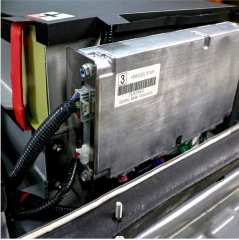
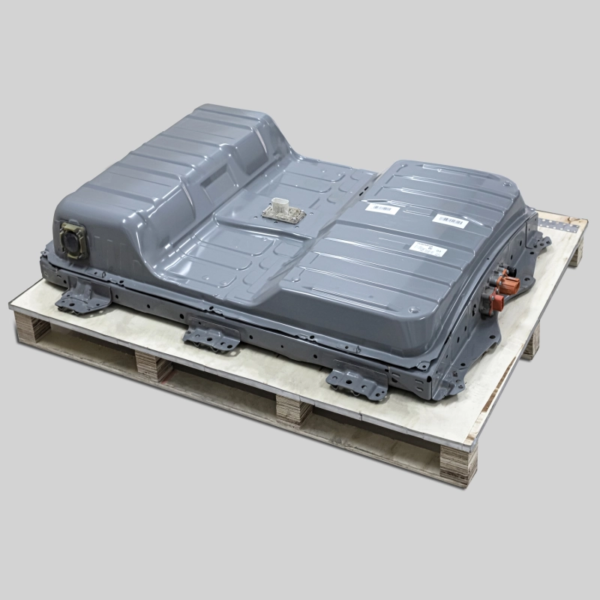
- Dimensions: The battery must be a drop-in replacement. The mounting points, chassis rails, and overall footprint must match the original Nissan specifications exactly.
- Connectors: The high-voltage (HV) connectors and low-voltage communication harnesses must be plug-and-play. If your technician needs to cut and splice wires, the risk of a short circuit or warranty voidance increases dramatically.
B. Cell Quality & Thermal Management
You need to trust that the battery won’t swell or fail months after you installed it.
- Source of Cells: Insist on batteries utilizing brand-new, Grade-A cells from top-tier manufacturers (such as CATL). Avoid suppliers that use recycled or “re-manufactured” cells from unknown sources, as these degrade rapidly.
- Thermal Stability: The Leaf Plus generates significant heat. Ensure the battery pack includes a robust Battery Management System (BMS) and effective thermal paste application to prevent overheating, especially in warmer climates.
C. Warranty Coverage & Technical Support
This is your safety net.
- Mileage vs. Time: Look for suppliers offering a minimum 2-year warranty or 80,000 km coverage. This demonstrates confidence in the product and protects you if the customer returns with issues.
- BMS Support: The most common post-installation issue is BMS communication errors. Choose a supplier that offers lifetime technical support and remote programming assistance, not just a parts warranty.
3. The Cost-Benefit Analysis: OEM vs. Aftermarket
To convince your customers (and justify your choice), you need clear data. Here is a comparison of the options available for a Leaf Plus (62kWh) upgrade:
| Feature | OEM Replacement | Low-Cost “Refurbished” | Premium Aftermarket (e.g., CNS) |
|---|---|---|---|
| Cell Quality | New (Original) | Aged/Recycled | New (Top Tier – CATL) |
| Estimated Cost | $12,000 – $16,000 | $4,000 – $6,000 | $7,500 – $8,500 |
| Warranty | Standard Manufacturer | Often None or 3 Months | 2 Years / 80,000 km |
| Risk Level | Low (but expensive) | High (Swelling/Leakage) | Low (Certified Safe) |
| Shop Profit | Low | Medium (but high risk) | High (Safe Margin) |
Table 1: Comparison of Leaf Plus 62kWh Battery Solutions for Repair Shops
4. The Installation Process: Why “Plug-and-Play” Matters
As a shop, you likely service a variety of vehicles. You don’t have time to become an expert in custom EV battery integration.
A high-quality DIY Leaf Plus battery should allow your technicians to follow this streamlined workflow:
- Lift the Vehicle: Standard procedure.
- Disconnect & Remove: Remove the old pack.
- Drop-in Installation: Slide the new pack in. The harnesses should align perfectly with the vehicle’s chassis connectors.
- System Reset: Connect to the OBD2 port. A reliable supplier will provide clear instructions or video guides for resetting the BMS to “0 km” status, making the car recognize the battery as brand new.
Pro Tip: If a supplier does not provide a comprehensive installation video guide or a physical toolkit (insulated gloves, terminal cleaner), move on. These are signs they don’t understand the technician’s workflow.
5. Why Repair Shops Choose Premium Aftermarket Solutions
Based on feedback from professional workshops, the shift towards premium aftermarket manufacturers is driven by reliability.
Repair shops report that using high-spec aftermarket batteries (specifically designed for Nissan Leaf ZE0, ZE1, and AZE0 models) results in:
- Zero Failure Rates: When using new A-grade cells, the failure rate drops to near zero compared to recycled packs.
- Customer Retention: Customers who get a “new car” feeling from a 62kWh upgrade often return for tire rotations and maintenance.
- Simplified Logistics: Suppliers who handle DDP (Delivered Duty Paid) shipping mean you don’t have to deal with customs clearance for specialized lithium cargo.
6. Making the Switch: Your Next Steps
If you are currently turning away Leaf Plus battery replacement jobs or losing money on warranty callbacks, it is time to partner with a reliable supplier.
Choosing the right DIY Leaf Plus EV battery means selecting a partner who understands the repair shop ecosystem—offering competitive pricing, iron-clad warranties, and technical backup.
Expert Insight: The best time to stock up is before the customer walks in with a dead battery. Having a solution ready means capturing the profit immediately.
Frequently Asked Questions (FAQ)
Q1: How long does it take to install a DIY Leaf Plus battery?
For a professional technician, a standard drop-in replacement should take approximately 1 to 2 hours. This includes disconnecting the old battery, installing the new one, and performing the initial system diagnostics. If BMS programming is required, having remote support available can save significant time.
Q2: Are these aftermarket batteries compatible with all Leaf models?
No, they are not universal. It is crucial to verify the model code with your supplier. Premium suppliers categorize batteries specifically for:
- Nissan Leaf ZE0 (Older models)
- Nissan Leaf ZE1 (Plus models)
- Nissan Leaf AZE0 (Newer models)
Using the wrong pack can lead to compatibility issues with the vehicle’s voltage management system.
Q3: What kind of warranty should I expect?
A reputable supplier should offer a warranty that exceeds standard industry offerings. Look for packages that provide at least a 2-year warranty or coverage up to 80,000 kilometers. This protects your shop from liability if the battery cells degrade prematurely or fail.
Q4: Do I need special tools for the installation?
While standard automotive lifting and socket sets are required, a reliable supplier should provide or recommend specific safety gear. This often includes insulated gloves and terminal cleaner. Some suppliers even include a free toolkit to ensure the installation meets safety standards.
Q5: Can I get help if the BMS doesn’t program correctly?
Yes. Choose a supplier that offers lifetime technical support. This typically includes remote video guidance or phone support to walk your technicians through the BMS programming process, ensuring the battery integrates seamlessly with the Leaf’s existing software.
Ready to offer your customers a reliable, high-margin Leaf Plus battery solution? Get a Free Custom Quote today and see how we can support your repair shop with OEM-compatible batteries and expert technical backup.