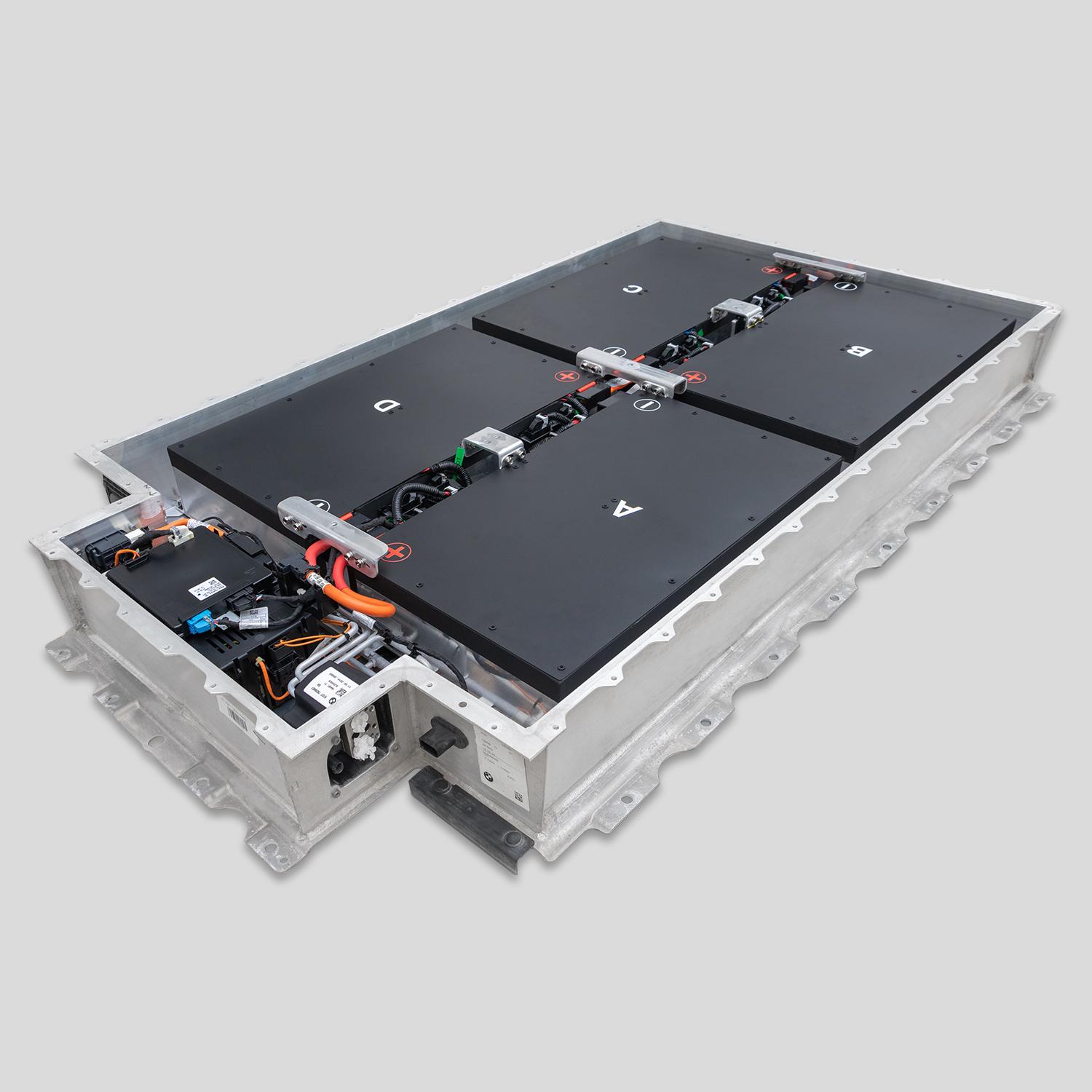
5 Pro Hacks for BMW i3 Battery Diagnostic Tools
The BMW i3 has become one of the most popular electric vehicles on the road, but like all EVs, its battery health is critical to long-term performance. Whether you’re experiencing reduced range, unexpected shutdowns, or simply want to maximize your investment, understanding battery diagnostic tools can save you thousands in replacement costs.
At CNS BATTERY, we specialize in BMW i3 battery replacement and upgrade solutions. Here are five professional hacks to help you diagnose and maintain your i3 battery effectively.
H2: Why Battery Diagnostics Matter for BMW i3 Owners
Your BMW i3’s lithium-ion battery is the heart of the vehicle. Over time, battery degradation is natural, but knowing when to intervene makes all the difference. Professional diagnostics help you:
- Identify cell imbalance before it causes failure
- Monitor state of health (SOH) accurately
- Predict remaining battery life with confidence
- Avoid costly emergency replacements
Without proper diagnostic tools, you’re driving blind. These five pro hacks will give you the insights you need.
H2: Hack #1 – Use OBD-II Scanners with BMW-Specific Software
Not all diagnostic tools are created equal. For the BMW i3, you need an OBD-II scanner that supports BMW’s proprietary protocols. Tools like BimmerCode, ISTA, or Carly for BMW can read battery management system (BMS) data that generic scanners miss.
Pro Tip: Look for scanners that display cell voltage readings, temperature data, and charge cycle counts. This information reveals hidden issues before they become critical.
H2: Hack #2 – Monitor State of Health (SOH) Regularly
The State of Health percentage tells you how much capacity your battery has retained compared to its original specification. A healthy BMW i3 battery should maintain 80% SOH or higher for the first 8-10 years.
When to worry:
- SOH drops below 75%
- Range decreases by more than 20%
- Charging times increase significantly
Regular monitoring helps you plan for battery replacement or upgrade before you’re stranded.
H2: Hack #3 – Check for Cell Voltage Imbalance
Battery packs consist of multiple cells working together. When cell voltage imbalance occurs, some cells degrade faster than others, reducing overall performance. Quality diagnostic tools show individual cell voltages.
Red flags include:
- Voltage differences greater than 0.1V between cells
- Consistent underperforming cells
- Rapid voltage drops during acceleration
At CNS BATTERY, we address cell imbalance through professional battery reconditioning or module replacement.
H2: Hack #4 – Analyze Charging Patterns and Thermal Data
Your battery’s thermal management system is crucial for longevity. Diagnostic tools can reveal:
- Charging temperature ranges
- Cooling system efficiency
- Heat generation during fast charging
Excessive heat accelerates degradation. If your diagnostics show temperatures above 45°C during charging, your thermal system may need attention.
H2: Hack #5 – Leverage Remote Software Updates
BMW offers remote software upgrades that can optimize battery management algorithms. Sometimes, a software update improves charging efficiency and range estimation without hardware changes.
How to access:
- Use the My BMW App
- Check for notifications on your vehicle’s display
- Visit authorized service centers for major updates
However, software can’t fix physical battery degradation. When diagnostics confirm hardware issues, professional replacement is the solution.
H2: When Diagnostics Point to Replacement
Even with the best maintenance, batteries eventually need replacement. Warning signs include:
- SOH below 70%
- Range anxiety affecting daily use
- Frequent error messages from the BMS
- Charging failures or interruptions
At CNS BATTERY, we offer premium BMW i3 battery replacement solutions with warranties and professional installation. Our upgraded batteries often provide better capacity than original specifications.
H2: FAQ – Common BMW i3 Battery Questions
Q1: How long does a BMW i3 battery last?
A: With proper care, BMW i3 batteries typically last 8-12 years or 100,000-150,000 miles. Regular diagnostics extend this lifespan.
Q2: Can I replace just one battery module?
A: Technically yes, but we recommend full pack replacement for consistent performance. Module replacement can lead to imbalance issues.
Q3: How much does BMW i3 battery replacement cost?
A: Costs vary by capacity and region. CNS BATTERY offers competitive pricing with warranty protection. Contact us for a personalized quote.
Q4: Will a battery upgrade improve my range?
A: Yes! Our upgraded battery solutions can increase range by 20-40% compared to degraded original batteries.
Q5: How do I know if my battery needs replacement?
A: Professional diagnostics showing SOH below 70% or significant range loss indicate replacement time. Don’t wait for complete failure.
H2: Ready to Take Action?
Understanding your BMW i3 battery health empowers you to make informed decisions. Whether you need diagnostics, maintenance advice, or replacement solutions, CNS BATTERY is here to help.
Visit our contact page to speak with our EV battery experts: https://cnsbattery.com/ev-battery-home/ev-battery-contact/
Explore our full EV battery solutions: https://cnsbattery.com/ev-battery-home
Your BMW i3 deserves the best battery care. Trust CNS BATTERY for professional, reliable, and cost-effective solutions.