5 Key Factors for High-Performance Drone Batteries in Plant Protection Services with Supplier Reliability
The agricultural revolution is airborne. As of 2025, over 500,000 agricultural drones operate globally, saving 330 million tons of water and reducing carbon emissions by 42.58 million tons. Behind every successful plant protection mission lies a critical component that determines operational efficiency, safety, and return on investment: the drone battery.
For agricultural service providers, choosing the right high-performance drone batteries isn’t merely a purchasing decision—it’s a strategic investment that impacts daily productivity, equipment longevity, and ultimately, profitability. This comprehensive guide explores the five essential factors that define exceptional drone battery performance in plant protection services, while emphasizing the often-overlooked importance of supplier reliability.
Factor 1: Energy Density and Capacity Optimization
Capacity remains the cornerstone of drone battery performance. Measured in milliampere-hours (mAh) or ampere-hours (Ah), battery capacity directly determines flight time and coverage area per charge. In plant protection operations, where drones must carry heavy payloads of pesticides, fertilizers, or seeds, energy density becomes paramount.
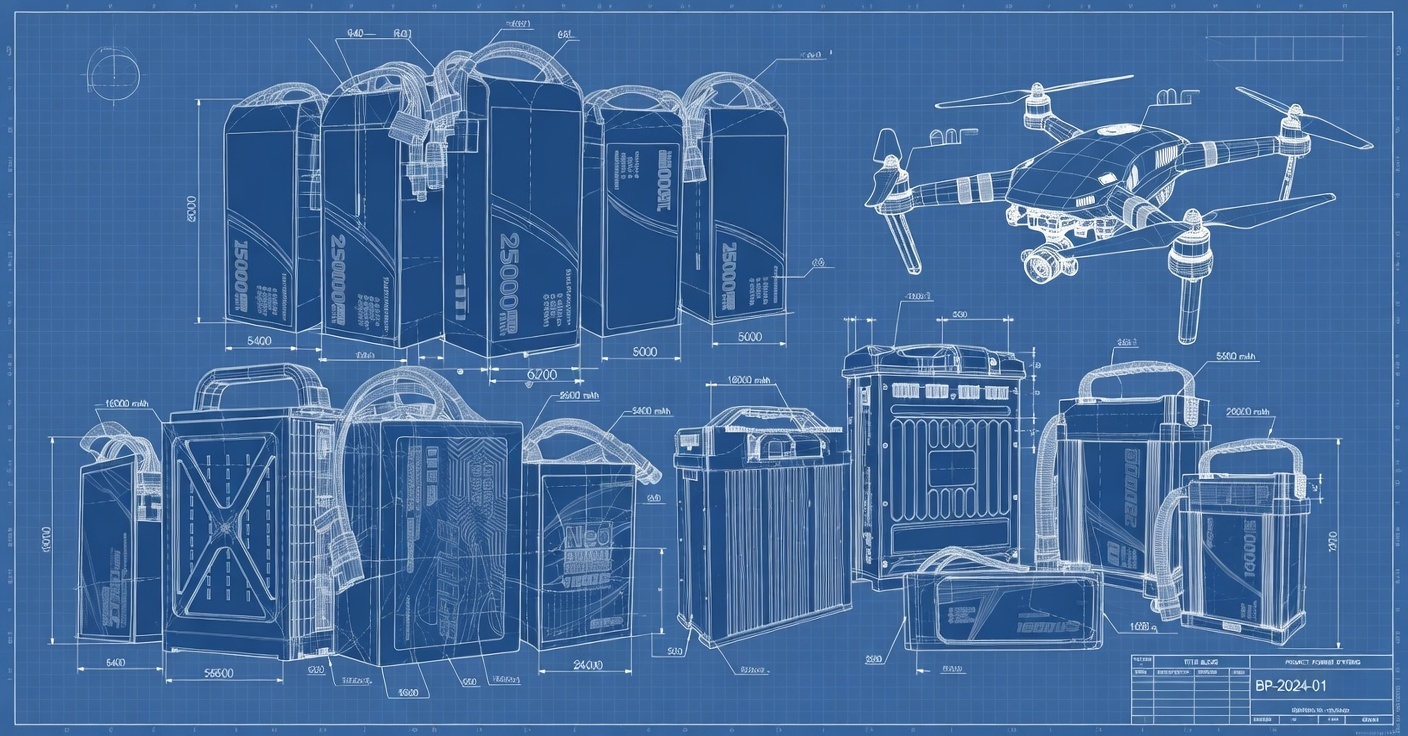
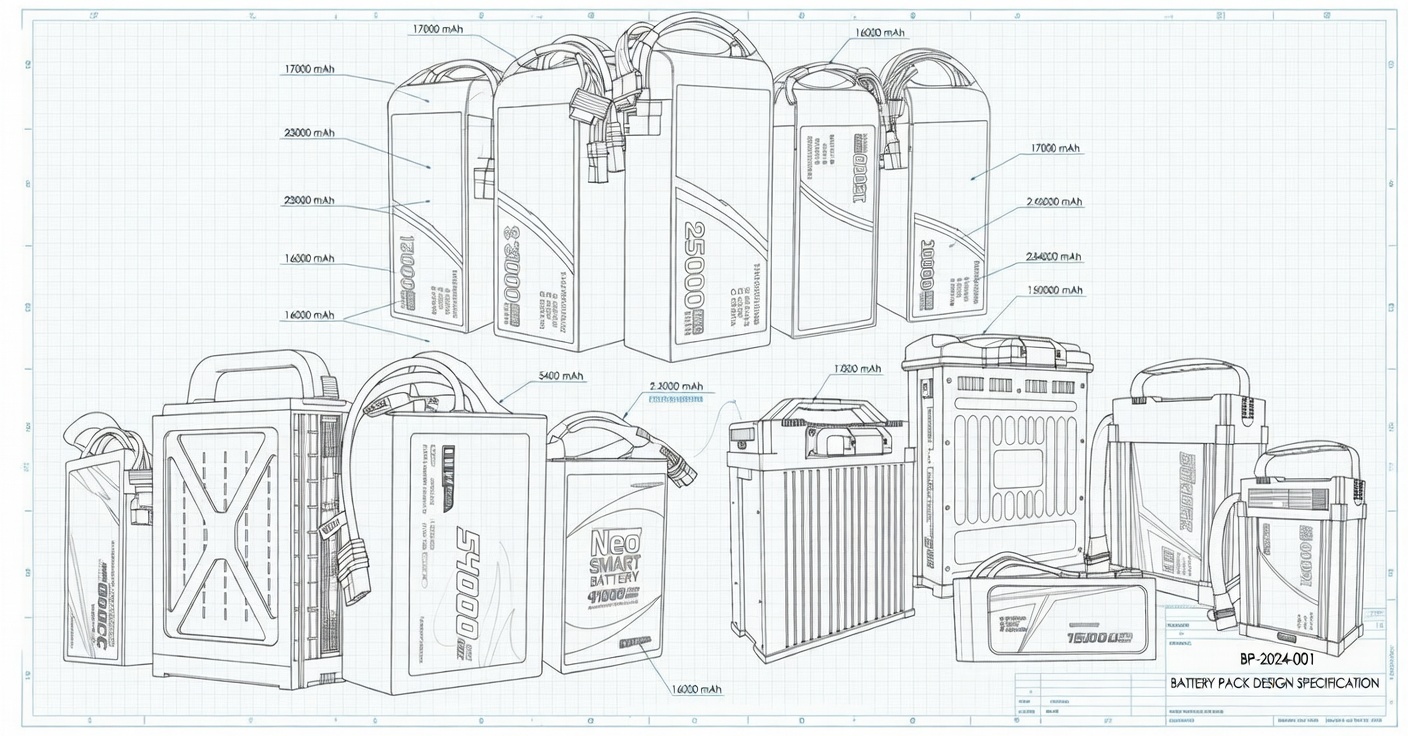
Modern agricultural drone batteries typically range from 15,000mAh to 30,000mAh. However, raw capacity numbers tell only part of the story. The true measure lies in energy density—the amount of energy stored per unit weight. Higher energy density means longer flight times without compromising payload capacity.
Practical Example: A plant protection drone equipped with a 22,000mAh battery can cover approximately 150-200 acres per charge, while a 28,000mAh variant extends this to 250-300 acres. For commercial operators managing 1,000+ acre contracts, this difference translates to fewer battery swaps, reduced downtime, and increased daily revenue.
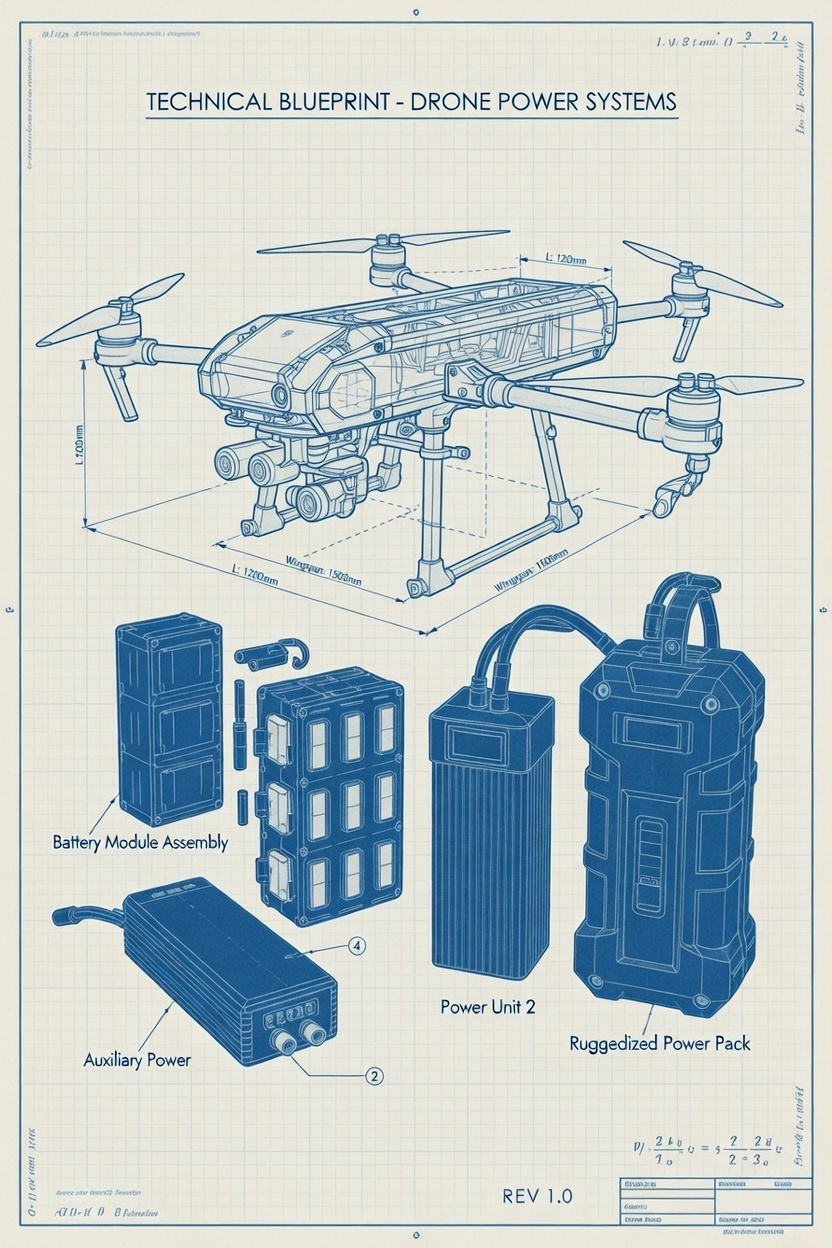
When evaluating capacity, consider the complete power system including voltage configuration (commonly 6S, 12S, or 14S for agricultural drones) and how it matches your specific drone model’s power requirements.
Factor 2: Discharge Rate and Power Delivery Consistency
The discharge rate, expressed as C-rating, indicates how quickly a battery can release stored energy. Plant protection drones demand high discharge rates during takeoff, payload deployment, and maneuvering through challenging terrain. Insufficient discharge capability leads to voltage sag, reduced performance, and potential mid-flight failures.
For agricultural applications, look for batteries with continuous discharge rates of 15C to 25C minimum. High-performance models offer 30C or higher, ensuring consistent power delivery even under maximum load conditions.
Critical Consideration: Discharge rate performance degrades over time and with temperature fluctuations. Quality batteries maintain rated discharge capabilities throughout 80% of their cycle life, while inferior options may drop to 60-70% performance within the first 100 cycles.
Factor 3: Cycle Life and Long-Term Durability
Cycle life represents the number of complete charge-discharge cycles a battery can complete before capacity drops below 80% of original specifications. In commercial plant protection services, where drones operate daily during peak seasons, cycle life directly impacts total cost of ownership.
Premium agricultural drone batteries deliver 1,500 to 2,000+ cycles with proper maintenance. Budget alternatives may offer only 500-800 cycles, requiring replacement two to three times more frequently.
Cost Analysis Example:
- Premium battery: $800 × 1,800 cycles = $0.44 per cycle
- Budget battery: $500 × 600 cycles = $0.83 per cycle
Despite the higher upfront cost, premium batteries deliver 47% lower cost per cycle, not accounting for downtime and replacement logistics.
Factor 4: Temperature Range and Environmental Resilience
Plant protection operations occur across diverse environmental conditions—from early morning dew-covered fields to midday heat exceeding 40°C (104°F). Battery performance varies dramatically with temperature, affecting both immediate operation and long-term health.
High-performance drone batteries for agricultural use should operate reliably between -20°C to 60°C (-4°F to 140°F). Advanced battery management systems (BMS) provide thermal protection, preventing operation outside safe temperature ranges and optimizing charging based on current battery temperature.
Field Reality: In tropical regions, batteries exposed to direct sunlight can reach 50°C+ within minutes. Without proper thermal management, this accelerates degradation and creates safety hazards. Quality batteries incorporate heat-dissipating materials and intelligent BMS that adjust power output based on temperature readings.
Factor 5: Safety Features and Certification Standards
Safety cannot be compromised in agricultural operations where drones fly over crops, livestock, and sometimes populated areas. Comprehensive safety features include overcharge protection, over-discharge protection, short-circuit prevention, and cell balancing technology.
Look for batteries certified under international standards including UN38.3 (transportation safety), CE (European conformity), and FCC (electromagnetic compatibility). These certifications indicate rigorous testing and compliance with safety regulations.
Risk Mitigation: Batteries with individual cell monitoring prevent dangerous imbalances that can lead to thermal runaway. Advanced BMS systems communicate real-time data to ground stations, enabling operators to make informed decisions about continuing or aborting missions based on battery health.
Supplier Reliability: The Hidden Sixth Factor
While technical specifications matter immensely, supplier reliability often determines long-term operational success. A reliable supplier provides:
- Consistent Quality: Every battery batch meets identical specifications
- Technical Support: Access to engineering expertise for troubleshooting
- Warranty Coverage: Clear terms protecting your investment
- Supply Chain Stability: Guaranteed availability during peak seasons
- Documentation: Comprehensive manuals, safety data sheets, and compliance certificates
Evaluation Framework: Before committing to a supplier, request sample batteries for testing, verify certifications independently, check references from existing agricultural clients, and assess response times to technical inquiries.
Step-by-Step Guide: Selecting the Right Drone Battery
Step 1: Assess Operational Requirements
Calculate your daily acreage targets, average payload weights, and typical flight conditions. This determines minimum capacity and discharge rate requirements.
Step 2: Verify Compatibility
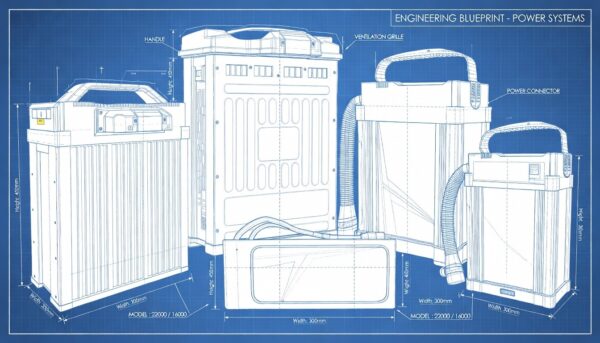
Confirm battery dimensions, connector types, and voltage specifications match your drone model. Incompatible batteries can damage equipment or void warranties.
Step 3: Request Performance Data
Ask suppliers for detailed discharge curves, cycle life testing results, and temperature performance charts. Reputable manufacturers provide comprehensive technical documentation.
Step 4: Conduct Field Testing
Before bulk purchasing, test sample batteries under actual operating conditions for at least 50 cycles. Monitor capacity retention, charging times, and any performance anomalies.
Step 5: Establish Maintenance Protocols
Implement proper storage, charging, and handling procedures. Document battery usage patterns to predict replacement schedules and avoid unexpected failures.
Real-World Implementation Example
GreenField Agricultural Services, operating in California’s Central Valley, transitioned from generic batteries to specialized high-performance drone batteries in 2024. Their results after one season:
- Flight Time Increase: 23% longer average mission duration
- Battery Replacement Reduction: 60% fewer replacements needed
- Downtime Decrease: 45% reduction in battery-related operational interruptions
- ROI Achievement: Initial investment recovered within 4 months through increased efficiency
The key difference wasn’t just battery specifications—it was partnering with a supplier who understood agricultural operations and provided ongoing technical support throughout the season.
Maximizing Battery Investment Through Proper Maintenance
Even the highest-quality batteries require proper care to achieve rated performance. Implement these best practices:
- Store batteries at 40-60% charge when not in use for extended periods
- Avoid charging immediately after flights; allow batteries to cool to room temperature
- Use balanced chargers designed for your specific battery configuration
- Inspect connectors and casing before each use for damage or wear
- Maintain detailed logs of cycle counts, performance metrics, and any anomalies
For comprehensive maintenance guidance, explore additional resources on battery care best practices at https://cnsbattery.com/drone-battery-home/drone-battery-help-center/
Making the Connection
Selecting the right battery partner transforms plant protection operations from reactive equipment management to proactive performance optimization. The five key factors outlined above provide a framework for evaluation, but real-world success comes from partnering with suppliers who stand behind their products and understand agricultural aviation’s unique demands.
Ready to elevate your plant protection service capabilities? Discover our complete range of industrial drone battery specifications at https://cnsbattery.com/drone-battery-home/drone-battery/ and explore how premium battery technology can transform your operational efficiency.
For personalized consultation on battery selection for your specific drone models and operational requirements, reach out through our dedicated contact page at https://cnsbattery.com/drone-battery-home/drone-battery-contact
The future of agricultural aviation depends on reliable, high-performance power solutions. Make your battery choice count—your productivity, profitability, and peace of mind depend on it.
Visit our homepage at https://cnsbattery.com/drone-battery-home for more insights on drone battery technology and agricultural aviation solutions.