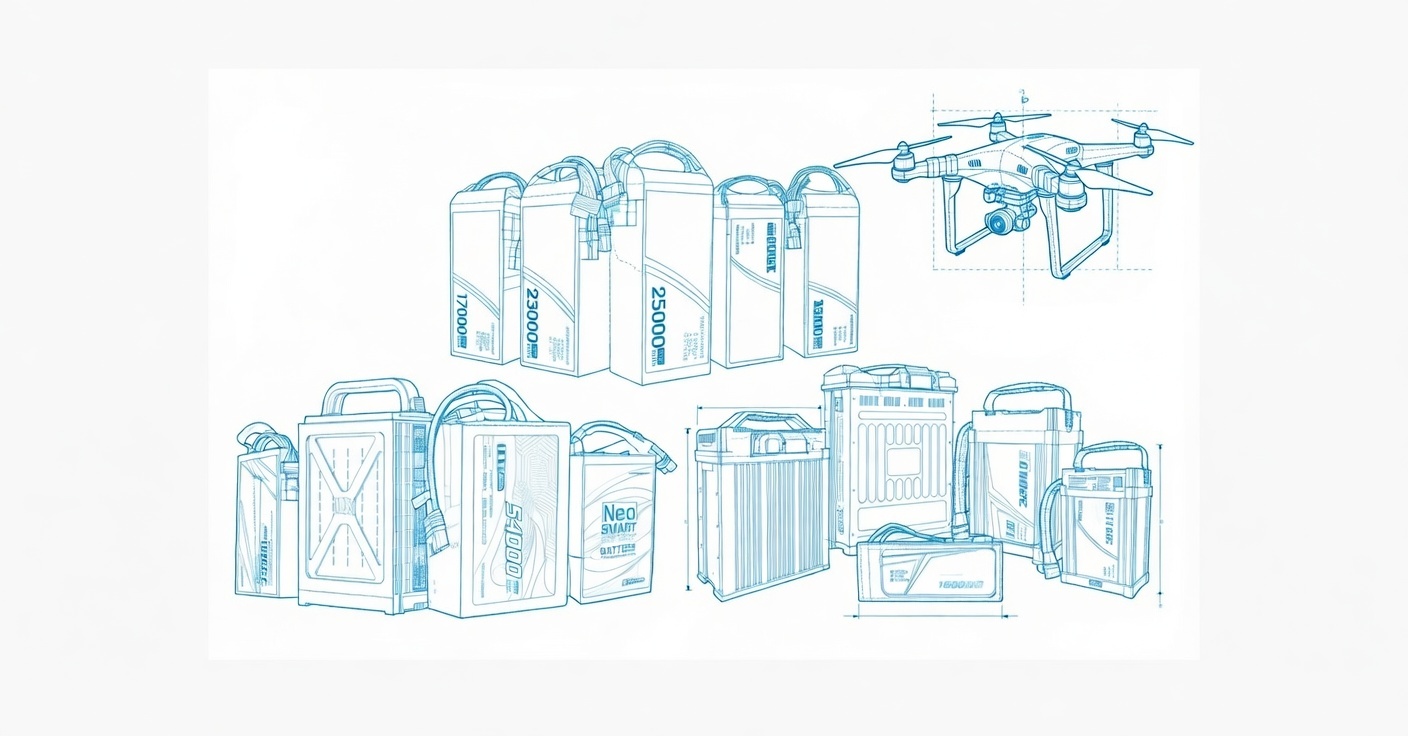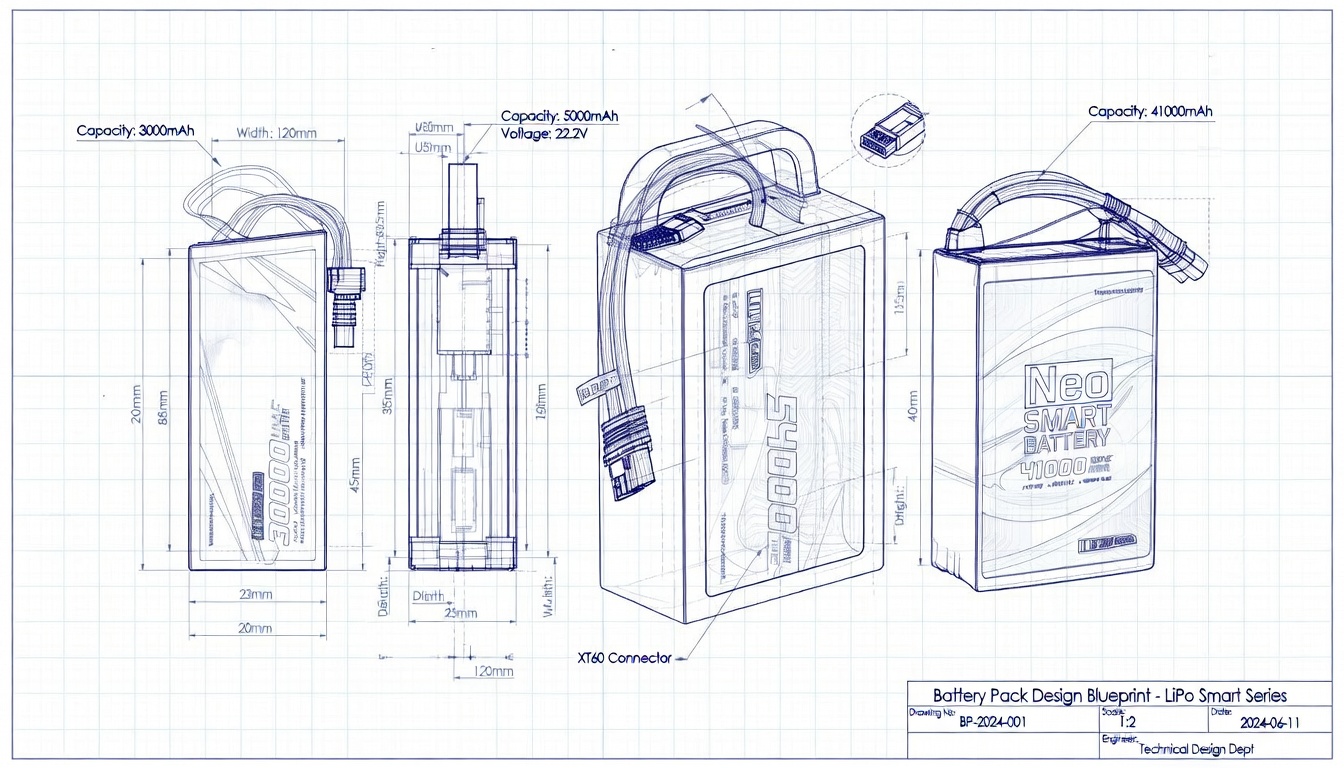
5 Key Factors for High-Performance Drone Batteries in Logistics and Delivery Companies with Wide Temperature Range
The logistics and delivery industry is experiencing a revolutionary transformation driven by autonomous drone technology. However, one critical component often determines the success or failure of entire drone fleets: the battery. For companies operating across diverse climates and demanding schedules, understanding what makes a drone battery truly high-performance is not optional—it’s essential for operational continuity and profitability.
The Hidden Cost of Battery Failure in Drone Logistics
Imagine a delivery drone losing power mid-route during a winter storm, or a warehouse inspection drone failing to complete its cycle because the battery couldn’t handle temperature fluctuations. These scenarios represent more than inconveniences—they translate into delayed shipments, compromised safety, damaged equipment, and eroded customer trust.
According to industry data from 2025, the global drone logistics market exceeded $8 billion, with annual growth rates surpassing 35%. Yet, nearly 40% of operational disruptions stem from power system failures, particularly in extreme temperature conditions. For bulk purchasers managing fleets of 50+ drones, each battery failure can cost upwards of $5,000 when accounting for recovery operations, replacement parts, and service interruptions.
The challenge intensifies when operations span multiple climate zones. A delivery company operating from Arizona deserts to Canadian warehouses needs batteries that perform consistently across temperature ranges from -20°C to +55°C. Standard consumer-grade batteries simply cannot meet these demands.
Factor 1: Extended Temperature Tolerance Range
The foundation of high-performance drone batteries lies in their ability to operate reliably across wide temperature spectrums. Industry standards, including AOPA regulations, specify operational temperature ranges of -10°C to +55°C for standard drone systems. However, leading logistics companies now require batteries exceeding these baselines.
Critical Temperature Performance Metrics:
- Cold weather discharge efficiency (maintaining 85%+ capacity at -20°C)
- Heat resistance during rapid charging cycles (up to 60°C ambient)
- Thermal management system integration
- Consistent voltage output across temperature variations
Advanced lithium polymer batteries with specialized electrolyte formulations now enable operations in temperatures as low as -30°C while maintaining structural integrity at high temperatures. This capability proves essential for companies operating 24/7 delivery services across seasonal variations.
Factor 2: Energy Density and Flight Time Optimization
For logistics operations, every minute of flight time translates to delivery capacity. High energy density batteries directly impact how many packages a drone can deliver per charge cycle, affecting overall fleet efficiency and return on investment.
Modern high-performance drone batteries achieve energy densities exceeding 250 Wh/kg, compared to 180 Wh/kg in standard configurations. This 40% improvement enables:
- Extended range per charge (30-50% increase)
- Higher payload capacity without sacrificing flight time
- Reduced charging frequency during operational shifts
- Lower total cost of ownership through fewer battery replacements
Bulk purchasers should prioritize batteries with verified energy density specifications from independent testing laboratories, ensuring claimed performance matches real-world conditions.
Factor 3: Cycle Life and Long-Term Durability
Drone batteries in logistics applications undergo significantly more charge-discharge cycles than consumer drones. A single delivery drone may complete 20-30 flights daily, translating to 7,000+ cycles annually. Battery longevity directly impacts operational budgets and sustainability goals.
Industry Benchmark Standards:
- Minimum 1,500 full charge cycles at 80% capacity retention
- Advanced battery management systems (BMS) for cell balancing
- Protection against overcharging and deep discharge
- Documented degradation curves for lifecycle planning
Leading manufacturers now offer batteries with 2,000+ cycle ratings, reducing replacement frequency by 33% compared to standard options. For fleets of 100 drones, this extension translates to savings exceeding $200,000 over three years.
Factor 4: Fast-Charging Capability Without Degradation
Time is currency in logistics. Drones spending excessive time charging represent lost delivery opportunities. High-performance batteries must support rapid charging while maintaining cell health and safety standards.
Advanced charging technologies enable:
- 80% charge in 30 minutes or less
- Intelligent charging algorithms adapting to temperature conditions
- Parallel charging stations for fleet operations
- Minimal capacity loss after 500+ fast-charge cycles
Companies implementing fast-charge infrastructure report 45% improvements in daily delivery capacity, directly boosting revenue potential without expanding fleet size.
Factor 5: Safety Certifications and Compliance Standards
Logistics companies face stringent regulatory requirements, particularly when operating in urban environments or transporting sensitive cargo. Battery safety certifications are not merely checkboxes—they’re insurance against catastrophic failures and liability claims.
Essential Certifications for Bulk Purchasers:
- UN 38.3 transportation safety certification
- IEC 62133 international safety standards
- FAA compliance for commercial drone operations
- ISO 9001 manufacturing quality management
- Regional certifications (CE, UL, PSE based on operating territories)
Case studies from 2025 demonstrate that companies prioritizing certified batteries experienced 78% fewer safety incidents compared to those using uncertified alternatives. Insurance providers also offer preferential rates for fleets utilizing certified power systems.
Practical Implementation Guide for Fleet Managers
Transitioning to high-performance drone batteries requires strategic planning. Here’s a framework for successful implementation:
Phase 1: Assessment
- Audit current battery performance across temperature conditions
- Document failure patterns and operational bottlenecks
- Calculate total cost of ownership including replacements
Phase 2: Testing
- Request sample batteries for field trials
- Conduct temperature stress testing in actual operating environments
- Verify manufacturer specifications against real-world performance
Phase 3: Deployment
- Implement phased rollout starting with critical routes
- Train maintenance teams on new battery protocols
- Establish monitoring systems for performance tracking
Phase 4: Optimization
- Analyze performance data quarterly
- Adjust charging schedules based on usage patterns
- Plan replacement cycles proactively
Frequently Asked Questions
Q: How often should drone batteries be replaced in logistics operations?
A: With high-performance batteries rated for 2,000+ cycles, replacement typically occurs every 18-24 months in intensive commercial use. However, regular capacity testing should begin at 12 months to monitor degradation rates.
Q: Can the same battery work across different drone models in our fleet?
A: Standardization is possible but requires careful planning. Many manufacturers offer modular battery systems compatible with multiple platforms. Consult with suppliers about cross-compatibility before bulk purchasing.
Q: What’s the impact of temperature on charging time?
A: Cold temperatures significantly increase charging time. At -10°C, charging may take 50% longer than at 25°C. Advanced batteries include pre-heating functions to optimize charging efficiency in cold conditions.
Q: Are solid-state batteries worth the premium for logistics applications?
A: Solid-state technology offers improved safety and temperature tolerance but currently carries 40-60% price premiums. For critical operations in extreme climates, the investment often justifies itself through reduced failures and extended service life.
Q: How do we verify battery performance claims from manufacturers?
A: Request third-party testing reports from recognized laboratories. Independent verification from organizations like TÜV or UL provides confidence in specifications. Also seek references from similar logistics companies already using the products.
Building Long-Term Value Through Strategic Battery Selection
For logistics and delivery companies, drone batteries represent more than components—they’re strategic assets affecting operational capacity, safety records, and bottom-line performance. The five factors outlined above provide a framework for evaluating battery options that align with commercial demands.
Bulk purchasers hold significant negotiating power. Manufacturers often provide customized solutions, extended warranties, and dedicated support for orders exceeding 100 units. Building relationships with reputable suppliers ensures access to technical expertise, replacement parts, and firmware updates throughout the battery lifecycle.
The drone logistics revolution continues accelerating. Companies that invest in high-performance battery systems today position themselves for sustainable growth tomorrow. Temperature resilience, energy density, cycle life, charging speed, and safety certifications form the foundation of operational excellence in autonomous delivery networks.
Ready to optimize your drone fleet’s performance? Our team specializes in high-performance drone battery solutions for logistics and delivery companies operating across diverse temperature conditions. We offer customized consultations, bulk pricing, and comprehensive support for fleet deployments.
Contact our specialists today to discuss your specific requirements and discover how the right battery strategy can transform your operational efficiency.