5 Essential Tips for BMW i3 Battery Charging Efficiency
As a BMW i3 owner, maximizing your battery’s charging efficiency isn’t just about saving money—it’s about extending your vehicle’s lifespan and ensuring reliable performance. At CNS BATTERY, we specialize in EV battery replacement and upgrade solutions, helping drivers get the most out of their electric vehicles. Whether you’re dealing with an aging battery or simply want to optimize your charging routine, these five essential tips will transform how you power your BMW i3.
1. Charge During Off-Peak Hours for Better Battery Health
Timing matters when it comes to EV charging. Charging your BMW i3 during off-peak hours (typically late evening to early morning) not only reduces electricity costs but also minimizes stress on the battery.
Why does this work? Lower ambient temperatures during nighttime charging help prevent overheating, which is one of the primary factors that degrade lithium-ion battery cells over time. Additionally, grid stability is generally better during off-peak periods, ensuring a consistent power supply that protects your battery management system.
Pro Tip: Set your charging schedule through the BMW Connected app to automate off-peak charging without needing to manually plug in at specific times.
2. Avoid Frequent 100% Charges—Stay Within the 20-80% Range
One of the most common mistakes BMW i3 owners make is regularly charging to full capacity. While it’s tempting to maximize your range before a long trip, daily charging to 100% accelerates battery degradation.
Expert recommendation: Keep your battery level between 20% and 80% for日常 driving. This range minimizes voltage stress on individual cells and significantly extends overall battery lifespan. Reserve full charges only for occasions when you genuinely need maximum range.
At CNS BATTERY, we’ve seen countless cases where proper charging habits have extended battery life by 30-40% compared to owners who frequently charge to capacity.
3. Use Level 2 Charging Instead of DC Fast Charging for Daily Needs
While DC fast charging is convenient for road trips, Level 2 charging should be your go-to for daily charging needs. Fast charging generates more heat and puts additional stress on battery cells, which can lead to premature capacity loss over time.
Charging Speed Comparison:
- Level 1 (120V): 2-5 miles of range per hour
- Level 2 (240V): 10-25 miles of range per hour
- DC Fast Charging: 80% in 30-45 minutes
For BMW i3 owners who primarily drive in urban environments, installing a home Level 2 charger is a worthwhile investment that pays off in battery longevity and reduced charging costs.
4. Pre-Condition Your Battery Before Charging in Extreme Temperatures
Temperature extremes are the enemy of EV battery efficiency. Both extremely hot and cold conditions can significantly impact charging speed and battery health.
Best practices:
- In cold weather: Pre-condition your battery while still plugged in before driving. This warms the battery to optimal operating temperature, improving both charging efficiency and range.
- In hot weather: Park in shaded areas or garages when possible. If you must charge in high temperatures, do so during cooler parts of the day.
The BMW i3’s thermal management system works best when the battery is within its ideal temperature range (approximately 20-30°C / 68-86°F). Pre-conditioning ensures your battery charges more efficiently and reduces long-term degradation.
5. Monitor Battery Health Regularly and Consider Professional Upgrades
Regular monitoring is crucial for maintaining optimal battery performance. Keep track of your battery’s State of Health (SOH) through your vehicle’s diagnostic system or third-party apps.
Warning signs that indicate potential battery issues:
- Noticeable range reduction (more than 10% from original capacity)
- Inconsistent charging times
- Unexpected power limitations during driving
- Battery warning lights on the dashboard
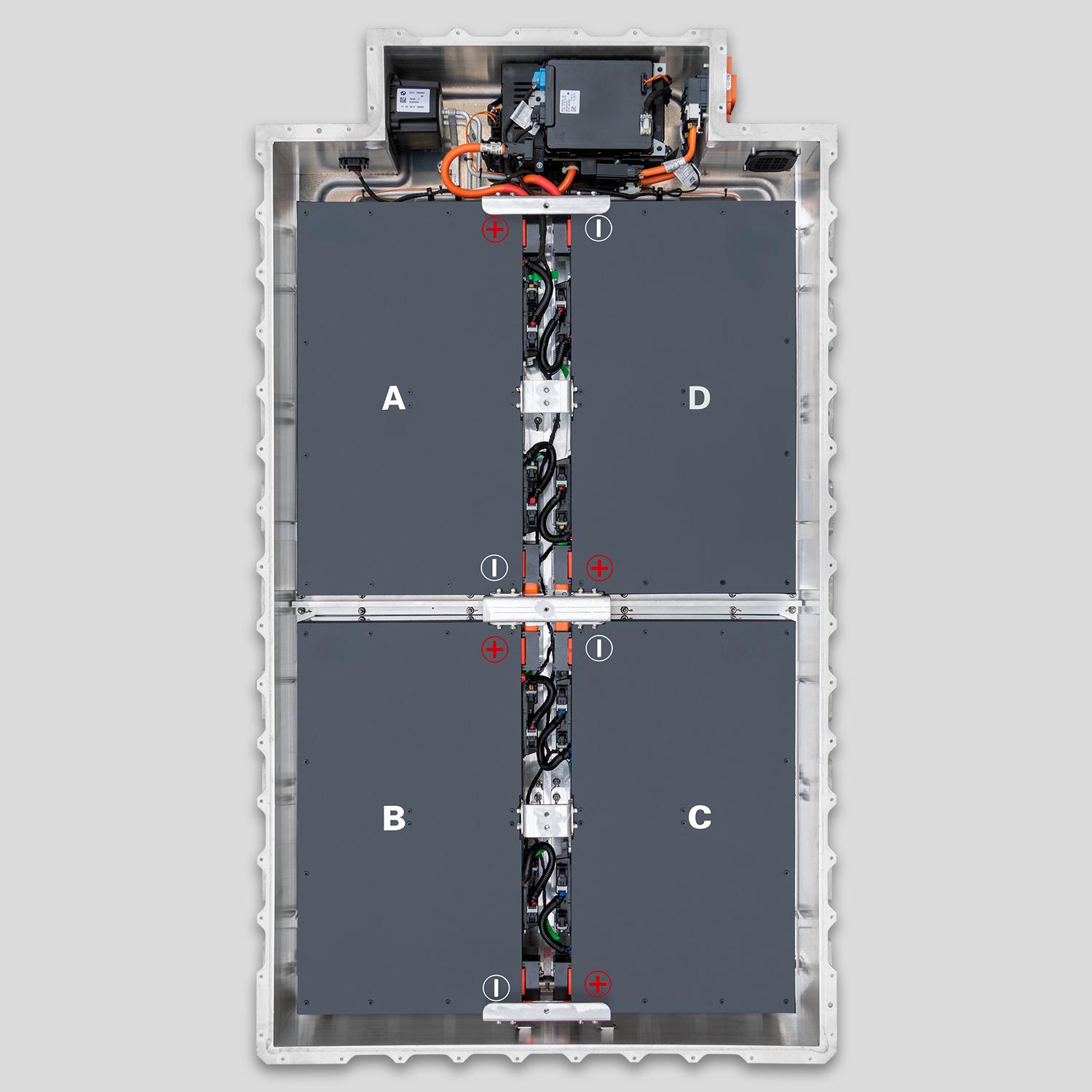
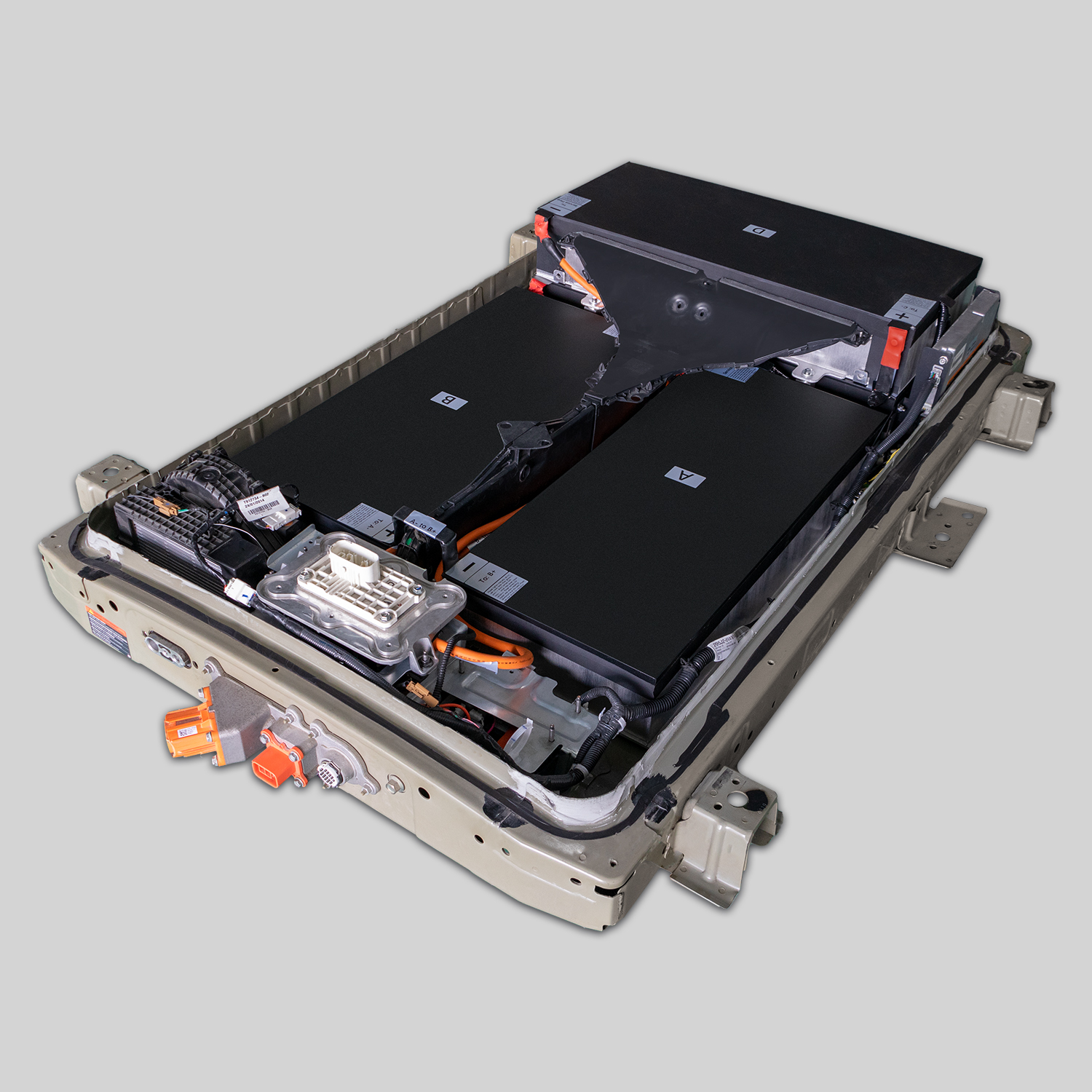
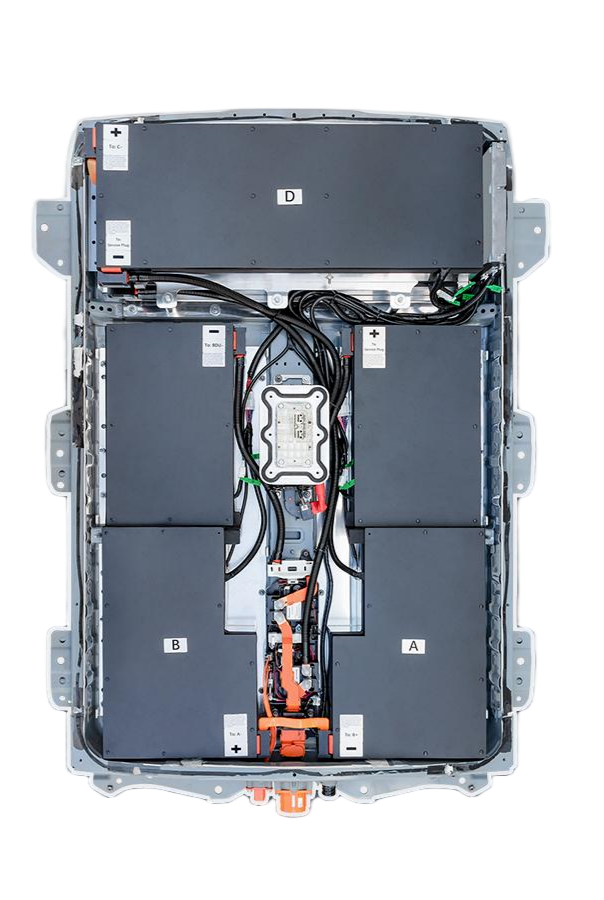
When your battery’s capacity drops below 70% of original capacity, it may be time to consider a professional battery replacement or upgrade. At CNS BATTERY, we offer specialized EV battery solutions designed specifically for BMW i3 models, ensuring seamless integration and restored performance.
Why Choose CNS BATTERY for Your BMW i3 Battery Needs?
As industry experts in EV battery replacement and upgrade services, CNS BATTERY combines cutting-edge technology with decades of experience. Our LFP battery solutions offer:
- Enhanced safety with advanced thermal management
- Longer lifecycle compared to standard OEM batteries
- RoHS compliance for environmental responsibility
- Custom sizing to fit your specific vehicle requirements
Our team understands the unique challenges BMW i3 owners face, and we’re committed to providing solutions that maximize your vehicle’s potential while minimizing total cost of ownership.
FAQ: BMW i3 Battery Charging Efficiency
Q1: How long does it take to fully charge a BMW i3?
A: Using a Level 2 charger, a BMW i3 typically takes 4-6 hours to charge from empty to full. DC fast charging can reach 80% in approximately 30-45 minutes, though we recommend limiting fast charging use to preserve battery health.
Q2: Can I replace my BMW i3 battery with a higher capacity option?
A: Yes! CNS BATTERY offers upgrade options that can increase your vehicle’s range beyond original specifications. Contact our team to discuss compatible upgrade solutions for your specific model year.
Q3: What’s the average lifespan of a BMW i3 battery?
A: With proper care and charging habits, a BMW i3 battery can last 8-12 years or approximately 100,000-150,000 miles. Following the tips in this article can help you maximize this lifespan.
Q4: How do I know if my BMW i3 battery needs replacement?
A: Key indicators include significant range reduction, inconsistent charging behavior, and dashboard warning lights. A professional diagnostic assessment can determine if replacement is necessary.
Q5: Is it safe to charge my BMW i3 overnight?
A: Yes, overnight charging is safe and actually recommended. The vehicle’s battery management system prevents overcharging, and nighttime charging takes advantage of cooler temperatures and lower electricity rates.
Ready to optimize your BMW i3’s battery performance? Whether you need expert charging advice, battery health assessment, or replacement solutions, our team at CNS BATTERY is here to help.
Contact us today for personalized consultation: https://cnsbattery.com/ev-battery-home/ev-battery-contact/
Visit our main EV battery solutions page to explore our full range of services: https://cnsbattery.com/ev-battery-home
Your BMW i3 deserves the best battery care. Trust CNS BATTERY to keep you driving further, longer.