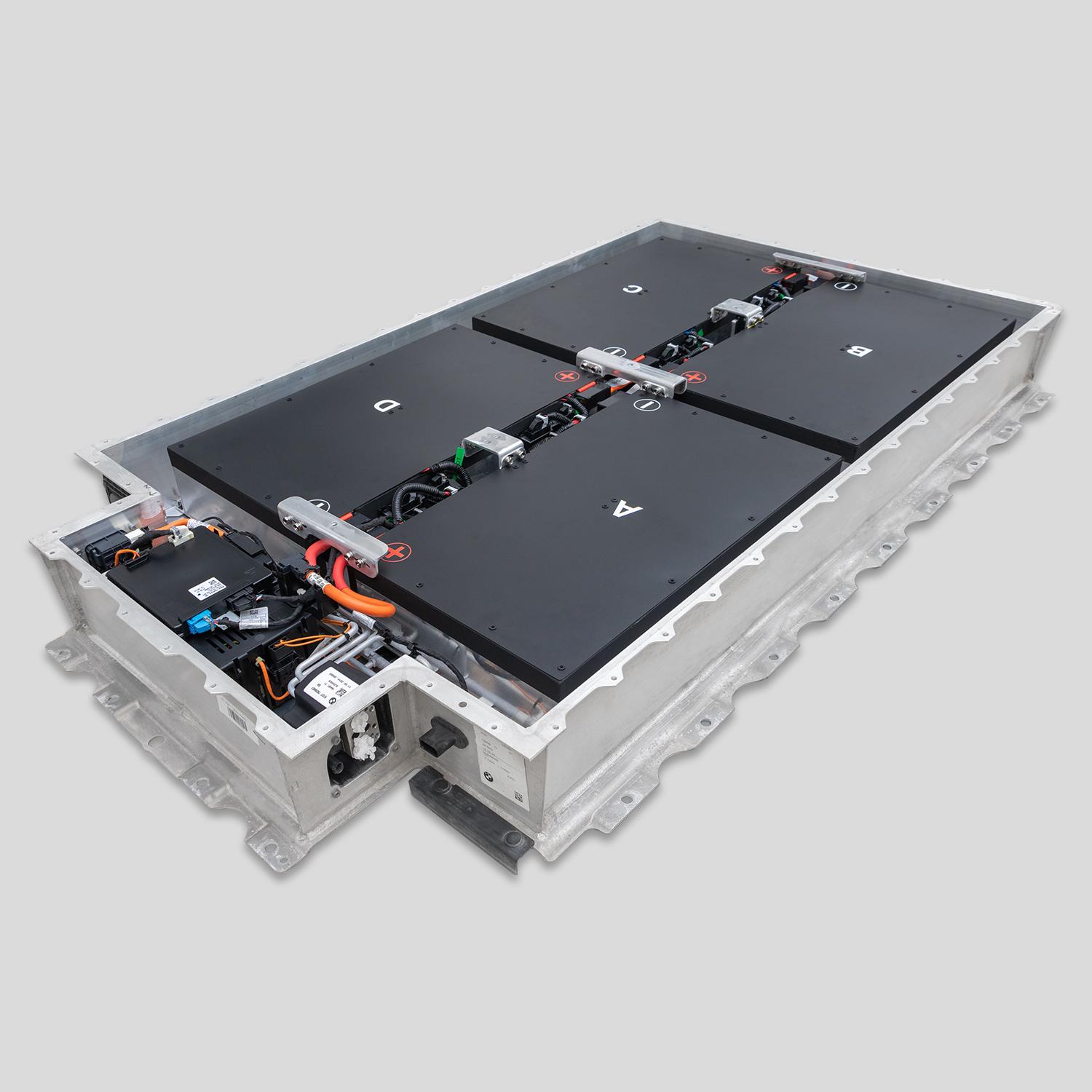
Here is the SEO-optimized article tailored for the CNS BATTERY audience, designed to address common misconceptions while guiding users toward a reliable battery solution.
⚡️ 3 Myths About BMW i3 Battery Capacity Debunked
If you own a BMW i3 and are facing range anxiety or a “Reduced Engine Power” warning, you are likely researching battery options. The internet is flooded with information, but unfortunately, much of it is outdated or misleading. As a specialist in BMW i3 battery replacements, we at CNS BATTERY have encountered countless owners who were led astray by common myths regarding battery capacity, charging, and performance.
This guide aims to dismantle the top 3 myths surrounding BMW i3 battery capacity. By understanding the facts, you can make an informed decision that saves you money and restores your vehicle to its former glory.
🚫 Myth 1: The BMW i3 Battery Cannot Be Upgraded Beyond Its Original Capacity
The Misconception:
Many owners believe they are locked into the exact kWh rating of their original factory battery. The common advice is: “You must replace it with the exact same model.” This leads to the frustration of replacing an old, degraded battery with a brand new one that offers the exact same limited range.
The Reality:
Capacity upgrades are not only possible but highly recommended. While the original BMW i3 came with options like the 22 kWh or 33 kWh (94 Ah) packs, technological advancements have made higher-density cells readily available.
At CNS BATTERY, we specialize in OEM-compatible upgrades. For instance, if your older i3 originally had a 22 kWh pack, you can replace it with a modern 45 kWh lithium battery pack. This isn’t just a repair; it’s a performance enhancement. Similarly, a 33 kWh (94 Ah) battery can be upgraded to a 62 kWh lithium battery pack.
Why Upgrade?
- Double the Range: Moving from a 94 Ah to a 120 Ah module significantly increases your driving distance.
- Better Chemistry: Newer Lithium Iron Phosphate (LFP) or NMC cells from manufacturers like CATL offer superior thermal management and longevity compared to the older packs.
- Cost Efficiency: You get modern performance without paying for a new car.
Expert Insight: Our data shows that owners who upgrade their BMW i3 battery capacity report a 40-60% increase in real-world range, effectively future-proofing their vehicle.
🚫 Myth 2: A Higher Capacity Battery Will Damage the BMW i3’s Motor or Electronics
The Misconception:
A persistent fear among owners is that installing a larger battery (e.g., upgrading from a 45 kWh to a 62 kWh) will overwhelm the BMW i3 powertrain, causing the motor to burn out or the BMS (Battery Management System) to fail.
The Reality:
The battery does not force power into the motor; the motor draws power from the battery as needed. Think of your battery as a fuel tank and the motor as an engine. A larger fuel tank does not make an engine run faster or hotter—it simply allows it to run longer.
Technical Breakdown:
- Voltage Matching: A proper replacement, like those engineered at CNS, matches the original factory voltage standards. We do not increase the voltage; we increase the amp-hour (Ah) rating, which translates to more stored energy, not higher stress.
- BMS Compatibility: A critical component of any BMW i3 battery replacement is the BMS. A high-quality aftermarket battery comes with a programmed BMS that communicates seamlessly with the vehicle’s existing software, ensuring the motor only draws the power it is designed to handle.
- Real-World Data: We have deployed thousands of packs globally. Our failure rate analysis confirms that a correctly engineered high-capacity battery does not cause “blown motors.”
Safety Note: The risk of damage comes not from higher capacity, but from poorly manufactured cells or incorrect BMS programming. This is why choosing a reputable supplier with rigorous testing (like our 2-year warranty standard) is crucial.
🚫 Myth 3: All BMW i3 Batteries Have the Same Lifespan, Regardless of Price
The Misconception:
Since all batteries degrade, some believe there is no point in spending more money. The logic follows: “If I buy a cheap replacement, it will last just as long as an expensive one because batteries are batteries.”
The Reality:
There is a massive difference between refurbished junk and a brand-new OEM-standard pack. This is where the distinction between “cheap” and “cost-effective” becomes vital.
The Quality Spectrum:
- Refurbished/Used Packs: These are often made from salvaged cells. While cheap upfront, they are already on a downward degradation slope. You might experience swelling, sudden death, or a rapid drop in capacity within 6-12 months.
- New Factory Packs (CNS Standard): We utilize brand-new, original battery cells from top-tier manufacturers like CATL. These cells are fresh from the factory, offering a full lifecycle ahead of them.
The Value Proposition:
While an original OEM BMW battery might cost upwards of $15,000, a CNS replacement offers the same new-cell quality at roughly 50% of the cost. You are not paying for the BMW badge; you are paying for the raw materials and engineering.
By choosing a high-quality new pack, you ensure:
- Stable Capacity: Maintaining at least 70% capacity over the warranty period.
- Safety: New cells have a lower risk of thermal runaway compared to aged, recycled cells.
- Longevity: A lifespan far exceeding that of a refurbished battery.
🛠️ Making the Right Choice for Your BMW i3
Debunking these myths is the first step. The next step is finding a solution that fits your budget and performance needs.
If you are ready to move past the misinformation and restore your BMW i3 to its full potential, CNS BATTERY offers a range of solutions tailored for your specific model year.
Why Choose CNS for Your BMW i3 Battery?
- OEM Compatibility: Our packs are engineered to fit perfectly, including the wiring harnesses and mounting points.
- Customization: Whether you drive an early REx model or a later BEV, we have the right kWh rating for you.
- Support: We don’t just sell you a battery and leave. We offer technical support and programming guidance to ensure a smooth installation.
Don’t let myths keep you stranded. Get back on the road with a reliable, high-capacity battery.
Get Your Free Custom Quote Now
❓ Frequently Asked Questions
Q1: Can I install a larger battery pack myself?
A: While the physical installation of a BMW i3 battery replacement is often a “plug-and-play” process for a skilled technician, the software side requires care. Upgrading capacity usually requires BMS programming to match the new hardware. We provide detailed installation videos and technical support to guide you through this process.
Q2: How much range can I expect after upgrading the capacity?
A: Real-world range depends on driving habits and climate. However, owners who upgrade from the older 22kWh/33kWh packs to our 45kWh or 62kWh options typically see their range increase from ~80-100 miles to approximately 180-220 miles on a full charge.
Q3: What is the warranty on a CNS BMW i3 battery?
A: We stand by our quality. All CNS Automotive Batteries come with a minimum 2-year / 80,000 km warranty. This covers defects in materials and workmanship, and we guarantee the battery maintains at least 70% of its capacity during this period. This exceeds the warranty standards of many original car batteries.
Q4: Are these batteries safe for long-term use?
A: Absolutely. We use brand-new, premium-grade cells (such as those from CATL) that undergo strict quality control. Unlike refurbished batteries made from unknown recycled cells, our new packs offer “zero-fault” reliability and are built to last for hundreds of thousands of miles.