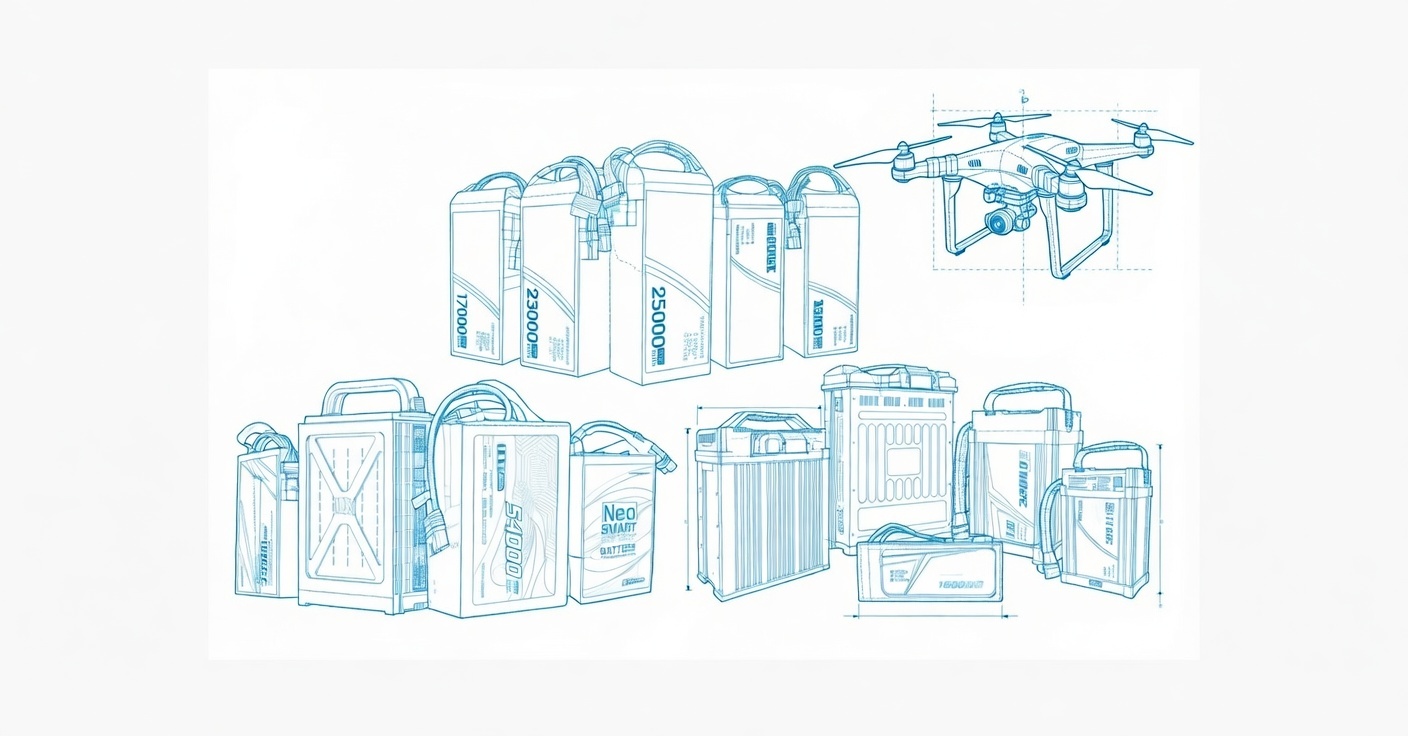
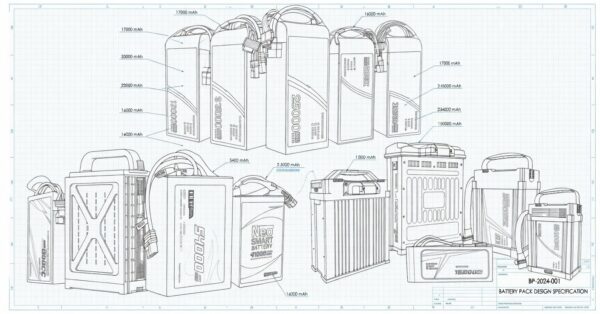
2024 Drone Battery Trends: Technical Compatibility for Security and Surveillance Firms
The landscape of security and surveillance operations is undergoing a dramatic transformation, with drone technology at the forefront of this evolution. As we navigate through 2024 and beyond, security firms are increasingly recognizing that the effectiveness of their aerial surveillance capabilities hinges on one critical component: drone battery technology. The technical compatibility between battery systems and surveillance drones has become a decisive factor in operational success, mission reliability, and overall security infrastructure performance.
For security and surveillance firms, understanding drone battery trends is no longer optional—it’s a strategic imperative. The global drone surveillance and defense market reached $1.25 billion in 2024, with projections indicating continued growth through 2031. This expansion underscores the critical need for security professionals to stay informed about battery specifications, compatibility requirements, and emerging technologies that can enhance their operational capabilities.
The Evolution of Drone Battery Technology in Security Applications
The security industry has witnessed a significant shift from traditional ground-based surveillance to integrated aerial monitoring systems. This transition demands batteries that can deliver consistent performance under diverse operational conditions. Modern security drones require power sources that balance energy density, weight, safety, and longevity—all while maintaining seamless compatibility with sophisticated surveillance equipment.
Lithium polymer (LiPo) batteries have emerged as the dominant power source for commercial and industrial drones, offering the optimal combination of power-to-weight ratio and discharge capabilities. However, the technical landscape continues to evolve, with new chemistries and management systems entering the market. Security firms must evaluate not just raw capacity, but also factors like cycle life, temperature tolerance, and integrated battery management systems (BMS) that protect against overcharging, over-discharging, and thermal runaway.
The introduction of lithium iron phosphate (LFP) batteries represents another significant development, offering enhanced safety profiles and extended cycle life—attributes particularly valuable for security operations requiring frequent deployments and minimal downtime.
Technical Compatibility Considerations for Security Operations
When selecting drone batteries for security and surveillance applications, technical compatibility extends far beyond simple voltage matching. Security firms must consider a comprehensive array of factors that impact operational effectiveness and regulatory compliance.
Voltage and Capacity Alignment: Security drones often operate with specific voltage requirements ranging from 11.1V to 22.2V or higher for industrial applications. Ensuring battery voltage matches drone specifications prevents equipment damage and optimizes flight performance. Capacity ratings, measured in milliamp-hours (mAh), directly influence flight duration—a critical parameter for extended surveillance missions.
Communication Protocol Integration: Advanced drone batteries incorporate smart communication protocols that enable real-time monitoring of battery health, remaining capacity, and charging status. Security operations benefit from batteries that integrate seamlessly with ground control systems, providing operators with actionable intelligence about power availability throughout missions.
Environmental Resilience: Security drones operate across diverse environments, from extreme cold to intense heat. Battery specifications must account for operational temperature ranges, with quality cells maintaining performance between -20°C to 60°C. This resilience ensures reliable operation regardless of weather conditions or geographic deployment zones.
Regulatory Compliance: Transportation regulations for lithium batteries continue to evolve, with new requirements mandating state-of-charge limitations during shipping. Security firms managing drone fleets must stay current with IATA and other regulatory frameworks to ensure compliant battery storage and transportation practices.
Strategic Battery Management for Security Fleets
Effective battery management transcends individual battery selection—it encompasses comprehensive fleet-wide strategies that maximize operational readiness while minimizing costs and safety risks.
Rotation and Cycling Protocols: Implementing systematic battery rotation prevents individual cells from experiencing excessive wear. Security firms should establish protocols that distribute usage evenly across battery inventories, extending overall fleet lifespan and maintaining consistent performance standards.
Storage Best Practices: Proper storage conditions significantly impact battery longevity. Batteries should be maintained at approximately 50-60% state of charge when not in use, stored in climate-controlled environments, and kept away from conductive materials that could cause short circuits.
Charging Infrastructure Investment: Quality charging equipment protects battery investments and ensures operational readiness. Security firms should invest in smart chargers that balance cells, monitor temperatures, and automatically terminate charging cycles to prevent overcharging damage.
Documentation and Tracking: Maintaining detailed records of battery usage, charging cycles, and performance metrics enables data-driven decisions about battery replacement schedules and fleet optimization. Digital tracking systems can alert managers to batteries approaching end-of-life thresholds before failures occur in the field.
Emerging Trends Shaping the Future of Security Drone Power
Several emerging trends are reshaping how security firms approach drone battery procurement and management. Understanding these developments enables proactive adaptation rather than reactive responses to market changes.
Solid-State Battery Development: While still in early commercial stages, solid-state batteries promise enhanced energy density and improved safety characteristics. Security firms should monitor this technology’s maturation, as it may offer significant advantages for high-risk surveillance applications where battery failure could have serious consequences.
Swappable Battery Systems: Modular battery designs enable rapid battery exchanges in the field, minimizing downtime during extended operations. This trend particularly benefits security firms conducting continuous surveillance missions where aircraft availability directly impacts coverage effectiveness.
Integration with AI-Powered Management: Artificial intelligence is increasingly incorporated into battery management systems, enabling predictive maintenance alerts and optimized charging schedules based on usage patterns. Security operations can leverage these capabilities to anticipate battery needs and prevent unexpected failures.
Sustainability Considerations: Environmental responsibility is becoming a factor in battery procurement decisions. Manufacturers are developing more sustainable production processes and recycling programs, enabling security firms to align battery purchases with corporate sustainability objectives.
Actionable Management Tips for Security Firms
Security and surveillance firms can enhance their drone battery operations by implementing these practical management strategies:
- Conduct quarterly battery health assessments to identify cells requiring replacement before field failures occur
- Establish minimum performance thresholds that trigger battery retirement, typically when capacity drops below 80% of original specifications
- Train all operators on proper battery handling procedures to prevent damage from improper storage or charging practices
- Maintain backup battery inventories equal to at least 50% of active fleet capacity to ensure operational continuity during peak demand periods
- Document all battery incidents including unexpected voltage drops, swelling, or performance anomalies to identify potential quality issues
- Partner with reputable suppliers who provide technical support, warranty coverage, and replacement availability for your specific battery models
- Implement temperature monitoring during charging operations to detect potential thermal issues before they escalate
Conclusion: Powering the Future of Security Surveillance
The technical compatibility between drone batteries and surveillance systems represents a critical foundation for modern security operations. As the industry continues evolving, security firms that prioritize battery technology understanding, implement comprehensive management protocols, and stay informed about emerging trends will maintain competitive advantages in operational effectiveness and mission reliability.
The investment in quality drone batteries extends beyond immediate operational needs—it represents a strategic commitment to sustained surveillance capabilities, regulatory compliance, and overall security infrastructure resilience. Security firms cannot afford to treat battery selection as an afterthought; instead, it demands the same rigorous evaluation applied to any critical security system component.
Take Action Today
Ready to optimize your security drone fleet’s battery performance? Our team specializes in industrial drone battery solutions designed specifically for security and surveillance applications. We understand the unique demands of your operations and can provide batteries that deliver the reliability, compatibility, and performance your missions require.
Explore our industrial drone battery specifications to discover products engineered for professional security applications: https://cnsbattery.com/drone-battery-home/drone-battery/
Learn battery maintenance best practices that extend battery life and maximize your investment: https://cnsbattery.com/drone-battery-home/drone-battery-help-center/
Contact our specialists today for personalized consultation on your security drone battery requirements: https://cnsbattery.com/drone-battery-home/drone-battery-contact
Visit our homepage to explore our complete range of drone battery solutions: https://cnsbattery.com/drone-battery-home
The future of security surveillance depends on reliable power. Make sure your drone fleet is equipped with batteries that meet the demands of modern security operations. Reach out to our team and discover how the right battery technology can transform your surveillance capabilities.