2024 Drone Battery Trends: Technical Compatibility for Security and Surveillance Firms
Are you struggling to keep your security drones airborne long enough to complete critical surveillance missions? Do battery compatibility issues threaten your operational reliability? You’re not alone. Security and surveillance firms worldwide face mounting pressure to maximize flight time while ensuring technical compatibility across diverse drone platforms. This comprehensive guide reveals the latest 2024 drone battery trends that directly impact your operational effectiveness and security protocols.
Understanding the Current Drone Battery Landscape
The security and surveillance industry relies heavily on unmanned aerial vehicles (UAVs) for perimeter monitoring, emergency response, and intelligence gathering. However, battery technology remains the primary limiting factor for mission success. According to recent market research, the global civilian drone lithium battery market reached approximately 880 million RMB in 2023, with projections indicating growth to 1.87 billion RMB by 2030, representing a compound annual growth rate (CAGR) of 11.4%.
Most commercial security drones currently utilize lithium polymer (LiPo) batteries with flexible packaging. The average flight time ranges between 20 and 30 minutes per charge, creating significant operational challenges for extended surveillance operations. Understanding technical compatibility requirements has become essential for security firms investing in drone technology.
Key Technical Compatibility Factors for Security Operations
Voltage and Capacity Matching
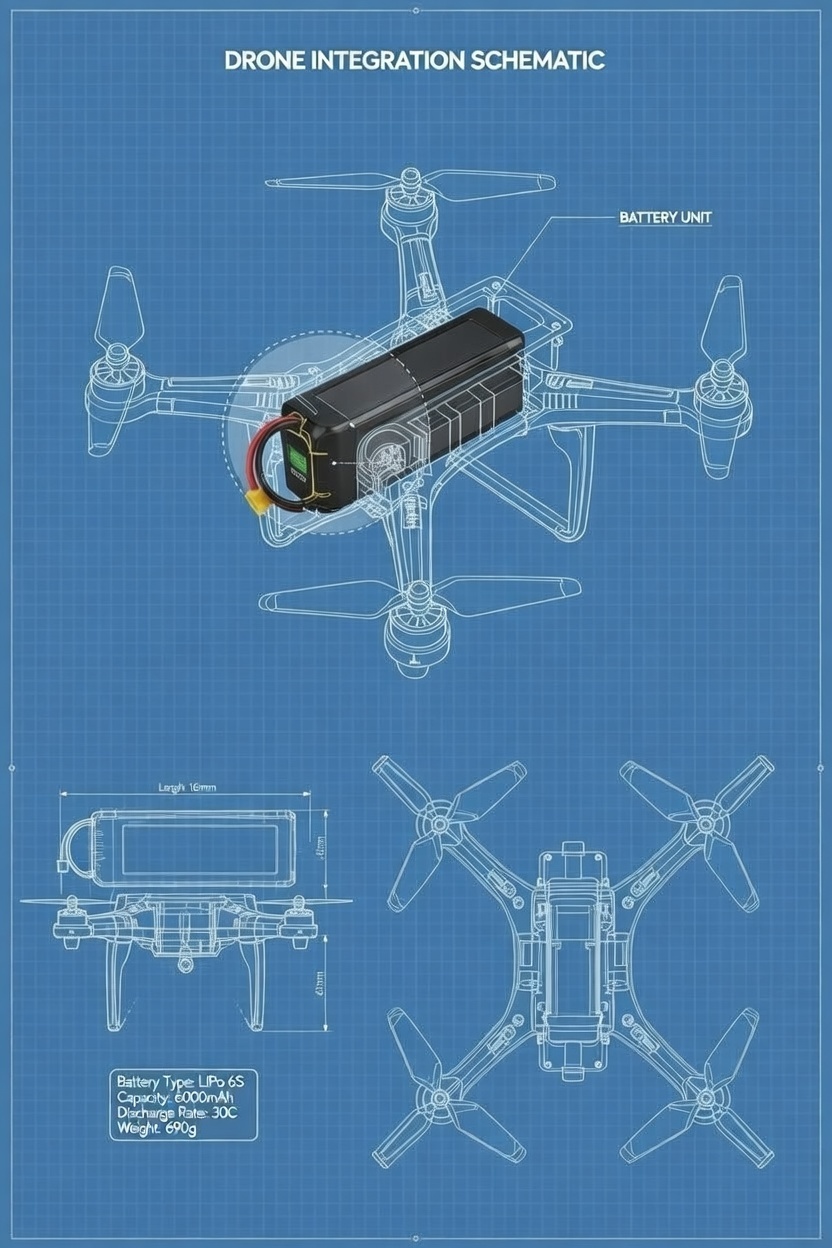
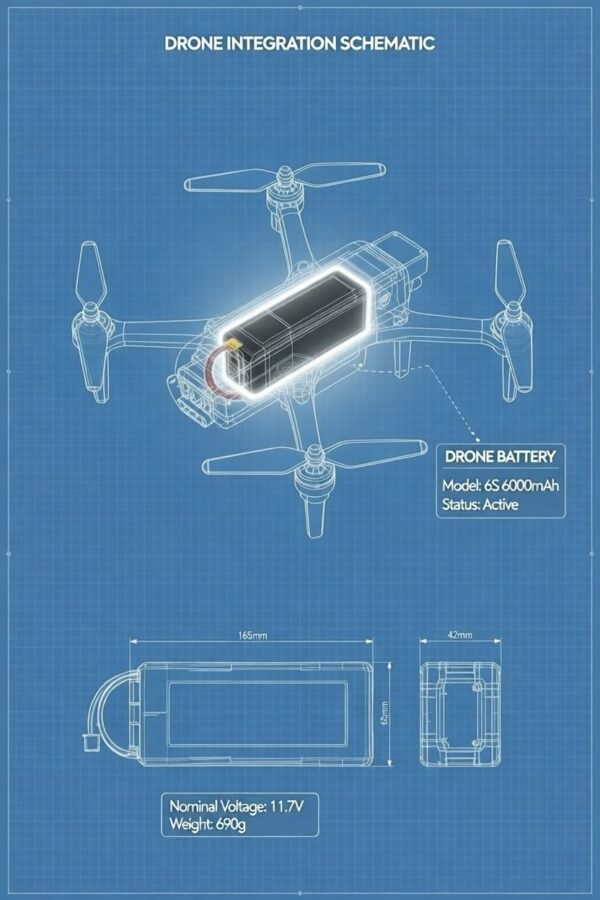
Security drones require precise voltage matching to ensure optimal performance and safety. Common configurations include:
| Battery Configuration | Voltage | Typical Capacity | Application |
|---|---|---|---|
| 6S LiPo | 22.2V | 10,000-22,000mAh | Medium surveillance drones |
| 12S LiPo | 44.4V | 16,000mAh+ | Heavy-duty security UAVs |
| Smart Battery Systems | 22.8V-44.4V | Variable | AI-enabled surveillance |
Mismatched voltage specifications can lead to reduced flight time, potential equipment damage, or complete system failure. Security firms must verify battery specifications against their drone manufacturer requirements before deployment.
Discharge Rate Considerations
The C-rating (discharge rate) determines how quickly a battery can deliver power. Security drones performing rapid maneuvers or carrying heavy payloads require higher discharge rates:
- Standard surveillance: 10C-15C discharge rate sufficient
- High-speed pursuit: 20C+ discharge rate recommended
- Heavy payload operations: 25C+ discharge rate essential
2024 Battery Technology Trends Impacting Security Firms
Smart Battery Integration
The latest trend in drone battery technology involves smart battery systems with integrated monitoring capabilities. These batteries communicate real-time data including:
- Remaining capacity percentage
- Cell voltage balance
- Temperature monitoring
- Cycle count tracking
- Estimated flight time
For security operations, this technology provides critical mission planning data and prevents unexpected power failures during surveillance activities.
Enhanced Safety Certifications
Security and surveillance firms must prioritize batteries meeting international safety standards. Key certifications include:
- UN 38.3: Transportation safety testing
- IEC 62133: Portable battery safety requirements
- UL 2580: Electric vehicle battery standards (applicable to larger UAVs)
- CE-RED: European radio equipment directive compliance
Batteries lacking proper certification may face transportation restrictions and liability concerns in professional security applications.
Energy Density Improvements
Manufacturers continue pushing energy density boundaries. Recent developments show capacity improvements of 15-20% compared to 2023 models while maintaining similar physical dimensions. This translates directly to extended flight times without requiring drone modifications.
Practical Application Guidelines for Security Firms
Battery Selection Best Practices
- Match specifications precisely to your drone manufacturer requirements
- Prioritize certified products from established manufacturers
- Consider operational environment temperature ranges
- Evaluate total cost of ownership including replacement cycles
- Verify compatibility with existing charging infrastructure
Maintenance and Lifecycle Management
Proper battery maintenance extends operational life and ensures consistent performance:
- Store batteries at 40-60% charge for extended periods
- Avoid complete discharge cycles when possible
- Monitor cell balance regularly
- Replace batteries showing 20%+ capacity degradation
- Follow manufacturer storage temperature guidelines (typically 15-25°C)
Transportation Compliance
Security firms operating across jurisdictions must understand battery transportation regulations. IATA guidelines now require lithium batteries shipped at 30% or less charge state, with mandatory compliance starting 2026. Independent packaging must pass 3-meter stacking tests for 24 hours.
Common Compatibility Challenges and Solutions
Challenge 1: Multi-Platform Fleet Operations
Security firms managing diverse drone fleets face battery standardization issues. Solution involves establishing battery specifications during procurement and maintaining inventory tracking systems.
Challenge 2: Extreme Weather Operations
Temperature extremes affect battery performance significantly. Cold weather reduces available capacity by 20-30%, while high temperatures accelerate degradation. Solution includes insulated battery storage and pre-warming protocols for cold weather operations.
Challenge 3: Rapid Deployment Requirements
Emergency response situations demand immediately available power. Solution involves maintaining rotation systems with multiple charged battery sets and fast-charging capabilities where manufacturer-approved.
Investment Considerations for Security Firms
When evaluating battery investments, security firms should consider:
- Initial cost versus expected cycle life
- Warranty coverage and replacement policies
- Manufacturer support availability
- Compatibility with future drone upgrades
- Training requirements for personnel
Leading manufacturers now offer 300-500 cycle warranties under normal operating conditions, providing predictable replacement scheduling for budget planning.
Future Outlook: What Security Firms Should Watch
Emerging technologies promise further improvements in drone battery performance:
- Solid-state batteries offering improved safety and energy density
- Hybrid power systems combining lithium with hydrogen fuel cells for extended missions
- Solar-assisted charging for persistent surveillance platforms
- AI-optimized power management extending usable flight time
Security firms should maintain flexibility in their battery procurement strategies to accommodate these technological advances while ensuring current operational needs remain met.
Conclusion: Securing Your Drone Operations Through Battery Excellence
The security and surveillance industry’s reliance on drone technology continues expanding, making battery technical compatibility a critical operational consideration. By understanding 2024’s key trends—including smart battery integration, enhanced safety certifications, and energy density improvements—security firms can make informed decisions that maximize mission effectiveness while minimizing operational risks.
Key takeaways for security and surveillance firms:
- Verify all battery specifications match your drone platform requirements
- Prioritize certified products meeting international safety standards
- Implement proper maintenance protocols to extend battery life
- Stay informed about transportation regulation changes
- Plan for technology evolution while meeting current needs
Ready to optimize your security drone battery operations? Our team specializes in industrial UAV battery solutions tailored for security and surveillance applications.
Contact us today for personalized consultation on battery compatibility and performance optimization.
Explore more resources:
- Visit our homepage for comprehensive drone battery solutions
- Review industrial drone battery specifications to find the perfect match for your security operations
- Learn battery maintenance best practices to maximize your investment and operational reliability
Your security missions depend on reliable power. Make every flight count with technically compatible, certified drone battery solutions designed for professional security and surveillance operations.