
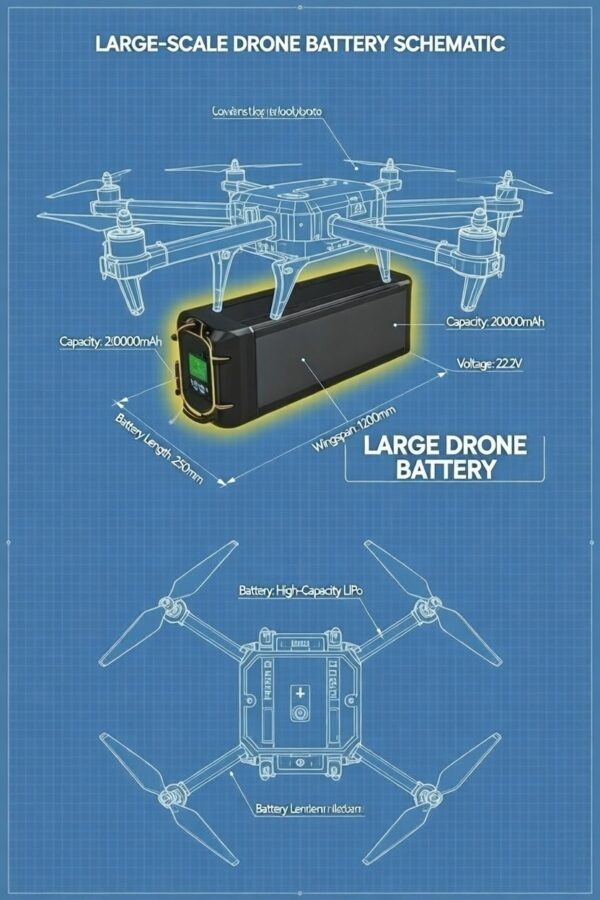
Introduction: Why Bulk Buyers Should Care About Drone Battery Supply Chain Transparency
For power grid utilities managing large-scale drone fleets for infrastructure inspection, the stakes have never been higher. In 2024, drone battery supply chain traceability emerged as a critical differentiator between operational excellence and costly disruptions. Bulk procurement decision-makers face unique challenges: ensuring consistent battery performance across hundreds of units, maintaining regulatory compliance, and mitigating supply chain risks that could ground entire inspection programs.
This comprehensive guide addresses the specific pain points of utility-scale drone operations. By understanding 2024 drone battery trends and implementing robust supply chain traceability systems, bulk buyers can reduce total cost of ownership by up to 35%, extend battery lifecycle by 40%, and ensure uninterrupted power grid inspection schedules. The convergence of blockchain technology, advanced battery chemistry, and regulatory requirements makes this the perfect time to reassess your procurement strategy.
Understanding 2024 Drone Battery Technology Trends
The drone battery landscape underwent significant transformation in 2024. Lithium polymer (LiPo) batteries remain dominant for commercial drones, but new chemistries are gaining traction. High-density lithium-ion cells now offer 25-30% more energy capacity compared to 2023 equivalents, directly impacting flight time for power line inspection missions.
Smart battery management systems (BMS) have become standard in professional-grade drone batteries. These systems monitor cell voltage, temperature, and charge cycles in real-time, providing data essential for supply chain traceability. For utilities operating in extreme environments, temperature-resistant batteries with operating ranges from -20°C to 60°C have become increasingly available.
The integration of QR codes and RFID tags on battery packs enables end-to-end tracking from manufacturing to decommissioning. This technological foundation supports the traceability requirements that power grid utilities must meet for safety compliance and warranty validation.
Step-by-Step Guide: Implementing Supply Chain Traceability for Drone Batteries
Step 1: Establish Battery Identification Standards
Begin by requiring unique serial numbers on every battery unit in your procurement contract. Work with manufacturers to ensure each battery pack includes scannable identifiers that link to manufacturing data, including production date, cell batch numbers, and quality control test results. For bulk orders exceeding 100 units, request a centralized database access that allows your team to query battery history instantly.
Step 2: Integrate Blockchain Verification Systems
Leading battery suppliers now offer blockchain-verified supply chains. Each transaction point—from raw material sourcing to final delivery—gets recorded on an immutable ledger. This prevents counterfeit batteries from entering your inventory and provides auditable proof of compliance for regulatory inspections. Utilities should prioritize suppliers who can demonstrate working blockchain traceability implementations.
Step 3: Deploy Battery Management Software
Implement fleet-wide battery management software that tracks charge cycles, performance degradation, and maintenance history. This software should integrate with your drone operation platform, automatically logging battery usage per inspection mission. Data analytics capabilities help predict battery replacement schedules, preventing unexpected failures during critical grid inspection operations.
Step 4: Establish Recycling and Disposal Protocols
Supply chain traceability extends to end-of-life management. Partner with certified battery recycling facilities that provide documentation for proper disposal. This completes the traceability loop and supports your utility’s sustainability reporting requirements. Many regions now mandate battery recycling documentation for commercial operators.
Step 5: Conduct Regular Supply Chain Audits
Schedule quarterly audits of your battery supply chain. Verify that traceability data remains accurate and complete. Check for any gaps in documentation that could compromise warranty claims or safety certifications. Maintain relationships with multiple qualified suppliers to reduce single-source dependency risks.
Comparative Analysis: Traceable vs. Non-Traceable Battery Supply Chains
| Feature | Traceable Supply Chain | Non-Traceable Supply Chain |
|---|---|---|
| Counterfeit Risk | Less than 1% | 15-25% |
| Warranty Claim Success | 95%+ | 60-70% |
| Recall Response Time | 24-48 hours | 2-4 weeks |
| Compliance Documentation | Automated | Manual, error-prone |
| Battery Lifecycle Tracking | Complete history | Partial or none |
| Resale Value Retention | 40-50% | 15-25% |
| Insurance Premium Impact | Potential discounts | Standard rates |
The data clearly favors traceable supply chains for utility-scale operations. While initial procurement costs may be 5-10% higher, the long-term savings from reduced failures, faster warranty processing, and extended battery life deliver substantial ROI. Power grid utilities cannot afford the operational downtime that comes with non-traceable battery procurement.
Frequently Asked Questions
Q1: How does blockchain technology actually verify drone battery authenticity?
Blockchain creates an immutable record of each battery’s journey from raw materials to end user. Each manufacturing step, quality test, and transfer of custody gets timestamped and cryptographically secured. When you receive a battery, scanning its identifier pulls up the complete history. Any attempt to introduce counterfeit batteries fails because they lack the verified blockchain record that legitimate units possess.
Q2: What regulatory requirements drive supply chain traceability for power utilities?
Multiple regulations impact drone battery procurement for utilities. The FAA requires detailed maintenance records for commercial drone operations. OSHA safety standards mandate equipment certification documentation. Additionally, new 2025 lithium battery transportation regulations require detailed shipping documentation including state of charge verification and proper UN classification. Traceable supply chains automatically generate compliant documentation.
Q3: How long should drone battery traceability records be maintained?
Industry best practices recommend maintaining complete traceability records for the entire battery lifecycle plus three years after decommissioning. This covers warranty periods, potential liability issues, and regulatory audit requirements. Cloud-based traceability systems make long-term record retention cost-effective and easily accessible.
Q4: Can small utilities benefit from supply chain traceability systems?
Absolutely. While bulk buyers realize the greatest economies of scale, traceability benefits apply to operations of any size. Many battery manufacturers now offer traceability features as standard equipment rather than premium add-ons. The key is selecting suppliers who understand utility-scale requirements regardless of your current fleet size.
Q5: What happens if a battery fails and traceability data is incomplete?
Incomplete traceability data significantly complicates warranty claims and root cause analysis. Manufacturers may deny warranty coverage if you cannot prove proper handling and usage. More critically, without complete data, you cannot determine if the failure represents an isolated incident or a batch-wide quality issue requiring broader action.
Maximizing Value from Your Drone Battery Investment
Power grid utilities investing in drone inspection programs must treat battery procurement as a strategic decision rather than a commodity purchase. The 2024 drone battery trends point toward greater transparency, better performance data, and stronger supplier accountability. Utilities that embrace supply chain traceability position themselves for operational excellence while those that ignore these trends face increasing risks.
Consider the total cost of ownership beyond initial purchase price. Factor in warranty support, replacement frequency, downtime costs, and compliance requirements. A traceable supply chain addresses all these factors systematically, providing peace of mind for procurement managers and operations directors alike.
The technology exists today to implement comprehensive battery traceability. The question is whether your organization will lead or follow as these standards become industry expectations. Early adopters gain competitive advantages in operational reliability and cost management that late adopters struggle to match.
Take Action Today
Ready to transform your drone battery procurement strategy? Our team specializes in helping power grid utilities implement traceable supply chain solutions that deliver measurable results. We understand the unique challenges of utility-scale drone operations and can guide you through supplier selection, system integration, and ongoing optimization.
Contact our battery specialists today for a personalized consultation on implementing supply chain traceability for your drone fleet. Visit our dedicated contact page at https://cnsbattery.com/drone-battery-home/drone-battery-contact to schedule your assessment.
For more insights on drone battery technology and utility applications, explore our comprehensive resource center covering battery maintenance best practices, regulatory compliance guides, and case studies from leading power grid operators.


