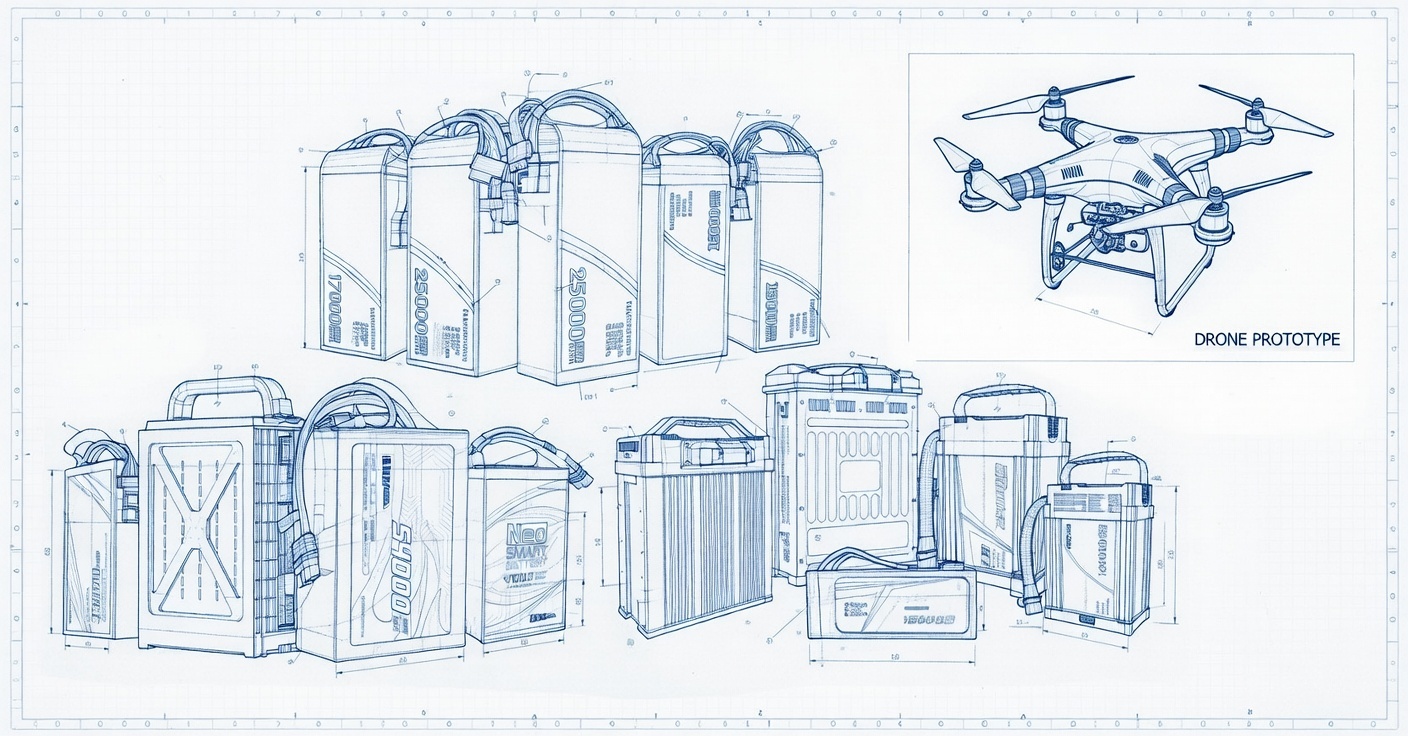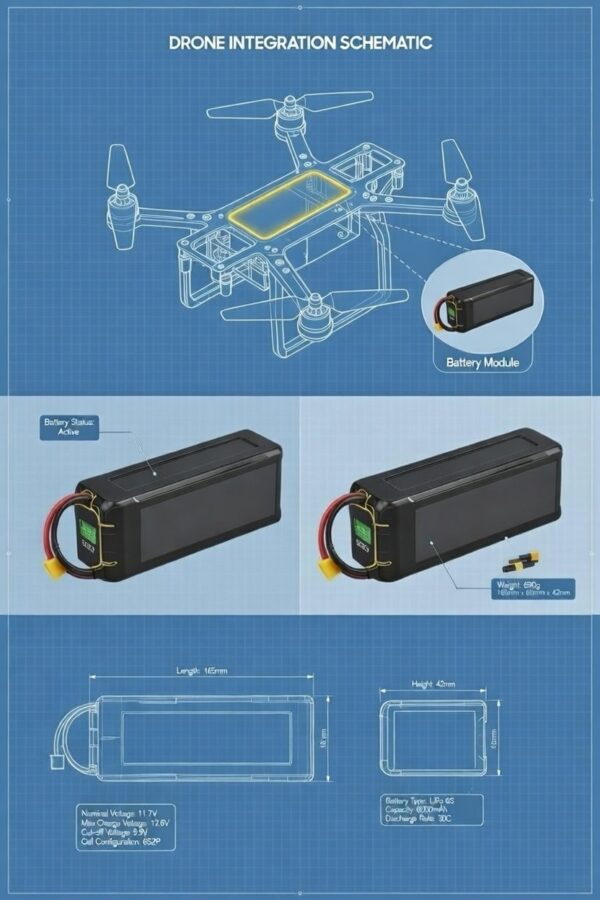
The world of emergency response is undergoing a dramatic transformation. As natural disasters become more frequent and complex, emergency rescue teams are increasingly turning to drone technology to save lives. Yet behind every successful rescue mission lies a critical component that often goes unnoticed: the drone battery. In 2024, the intersection of drone battery innovation and supply chain traceability has emerged as a game-changer for emergency operations worldwide.
The Critical Role of Drone Batteries in Emergency Rescue
When seconds count, drone batteries determine whether a rescue mission succeeds or fails. According to industry data from 2024, over 73% of emergency drone operations reported battery performance as the primary limiting factor in mission effectiveness. The stakes couldn’t be higher—a failed battery during a search-and-rescue operation in mountainous terrain or flood zones can mean the difference between life and death.
“Battery reliability is no longer just a technical specification—it’s a moral imperative,” says Dr. Michael Chen, Director of Emergency Technology at the International Rescue Committee. “When we deploy drones in disaster zones, we’re trusting that every component, especially the battery, will perform flawlessly under extreme conditions.”
2024 Battery Technology Breakthroughs
The drone battery landscape in 2024 has witnessed remarkable advancements that directly benefit emergency rescue operations:
High-Density Lithium Polymer Cells
Modern LiPo batteries now achieve energy densities exceeding 250 Wh/kg, extending flight times by up to 40% compared to 2023 models. This improvement allows rescue drones to cover larger areas without frequent battery swaps.
Fast-Charging Capabilities
New charging technologies enable 80% battery capacity in under 20 minutes, crucial for time-sensitive rescue operations where multiple flights are required within short windows.
Temperature Resilience
Advanced battery management systems now operate reliably in temperatures ranging from -20°C to 60°C, ensuring performance in extreme weather conditions common during disasters.
Supply Chain Traceability: Why It Matters for Rescue Teams
Supply chain traceability has evolved from a corporate compliance requirement to an operational necessity for emergency rescue organizations. Here’s why:
Quality Assurance
Complete traceability ensures every battery cell can be tracked from raw material sourcing through manufacturing to final deployment. This transparency eliminates counterfeit products that could fail during critical missions.
Rapid Recall Capability
When battery defects are identified, traceable supply chains enable immediate identification of affected units across all rescue teams, preventing potential mission failures.
Regulatory Compliance
International aviation authorities increasingly require documented battery provenance for commercial drone operations, including emergency services.
Best Practices for Emergency Rescue Teams
Based on industry research and field experience, here are essential practices for managing drone battery supply chains:
- Implement Blockchain Verification: Utilize blockchain-based tracking systems to create immutable records of battery manufacturing and distribution history.
- Establish Vendor Certification Programs: Work exclusively with manufacturers who provide complete component traceability and third-party quality certifications.
- Maintain Battery Lifecycle Logs: Document every charge cycle, storage condition, and performance metric for each battery unit in your fleet.
- Create Redundant Supply Networks: Develop relationships with multiple certified suppliers to ensure continuity during supply chain disruptions.
- Conduct Regular Performance Audits: Schedule quarterly battery health assessments using standardized testing protocols to identify degradation patterns early.
- Train Personnel on Battery Management: Ensure all operators understand proper storage, charging, and handling procedures to maximize battery lifespan and safety.
Case Study: Hurricane Response Operations in Southeast Asia
In September 2024, the Asian Disaster Response Network deployed 150 drones across flood-affected regions in Vietnam and Thailand. The operation’s success hinged on a newly implemented battery traceability system.
Challenge: Previous disaster responses had experienced 12% battery failure rates due to counterfeit cells entering the supply chain during emergency procurement.
Solution: The network partnered with certified battery manufacturers implementing QR-code-based traceability. Each battery pack contained scannable identifiers linking to manufacturing dates, cell batch numbers, and quality test results.
Results:
- Battery failure rate dropped to 0.3%
- Mission completion rate increased by 35%
- Average response time decreased by 28 minutes per operation
- Total cost savings of $2.4 million through reduced equipment losses
“This traceability system transformed our operational reliability,” reported Sarah Martinez, Operations Director. “We knew exactly what we were deploying, and that confidence translated directly into lives saved.”
Practical Tips for Improving Battery Efficiency
Emergency rescue teams can implement these strategies immediately:
Storage Optimization: Keep batteries at 40-60% charge when not in use, stored in climate-controlled environments between 15-25°C.
Rotation Schedules: Implement FIFO (First-In-First-Out) battery rotation to prevent aging-related performance degradation.
Pre-Mission Checks: Develop standardized 5-minute battery inspection protocols covering voltage, physical condition, and connection integrity.
Data Analytics: Leverage battery management software to predict replacement needs before failures occur, reducing unexpected downtime by up to 60%.
The Future of Drone Battery Supply Chains
Looking ahead, several trends will shape the emergency rescue landscape:
Smart Battery Integration: IoT-enabled batteries will transmit real-time performance data to command centers, enabling predictive maintenance and optimal deployment scheduling.
Sustainable Sourcing: Environmental regulations will drive adoption of ethically sourced materials, with full carbon footprint tracking becoming standard by 2026.
Standardization Initiatives: Industry consortia are developing universal battery traceability standards, simplifying procurement for multi-agency rescue operations.
Conclusion: Building Trust Through Transparency
The convergence of advanced battery technology and supply chain traceability represents more than technical progress—it embodies a commitment to operational excellence in emergency rescue. When rescue teams can verify every component’s journey from factory to field, they gain the confidence needed to focus on what truly matters: saving lives.
Organizations that invest in traceable battery supply chains today will lead emergency response capabilities tomorrow. The question isn’t whether to adopt these practices, but how quickly you can implement them to protect your teams and the communities you serve.
Ready to optimize your drone battery supply chain for emergency operations? Our team of battery specialists can help you implement traceability systems tailored to your rescue team’s unique requirements. From vendor certification to lifecycle management, we provide end-to-end solutions that enhance reliability and reduce operational risks.
Contact us today for a customized consultation and discover how supply chain transparency can transform your emergency response capabilities.
Explore more resources:
- Learn about our drone battery technology innovations
- Discover emergency rescue battery solutions
- Read our latest battery maintenance guides
Your mission depends on reliable power. Make every watt count.