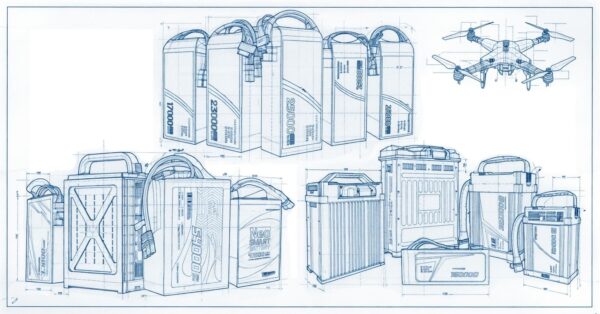
2024 Drone Battery Trends: Recycling Compliance for Infrastructure Inspection Companies
Infrastructure inspection companies are rapidly adopting drone technology to enhance efficiency and safety in their operations. However, as the drone market booms, a critical challenge is emerging: ensuring drone battery recycling compliance. With increasing environmental regulations and growing sustainability expectations, companies that fail to implement proper battery recycling programs risk significant fines, reputational damage, and operational disruptions. The International Energy Agency (IEA) reports that global battery production is expected to increase by 10x by 2030, making recycling compliance not just an environmental imperative but a business necessity.
The Evolving Regulatory Landscape for Drone Battery Recycling
The regulatory environment for drone battery disposal is undergoing significant changes worldwide. In 2024, the European Union’s Battery Regulation (EU) 2023/1542 has set stringent requirements for battery collection, recycling, and reporting. Similarly, the United States is seeing increased state-level regulations, with California’s SB 253 mandating extended producer responsibility for all rechargeable batteries by 2025.
Infrastructure inspection companies must navigate a complex web of regulations that vary by region. For instance, while the EU requires 70% of battery materials to be recycled by 2030, the US currently lacks federal standards, leading to a patchwork of state regulations. Failure to comply can result in fines of up to $10,000 per violation in California, according to the California Department of Toxic Substances Control.
Key regulatory challenges include:
- Tracking battery lifecycle from production to disposal
- Ensuring proper documentation for all battery types
- Meeting regional recycling targets
- Demonstrating compliance to regulatory bodies
Why Recycling Compliance Matters for Infrastructure Inspection Companies
Beyond avoiding fines, proper battery recycling offers substantial business advantages:
Cost Savings: Properly managed battery recycling programs can reduce waste disposal costs by up to 40%, according to a 2023 study by the Environmental Protection Agency (EPA). Companies that implement efficient battery management systems also benefit from reduced operational disruptions.
Brand Reputation: 78% of infrastructure clients now consider environmental practices when selecting service providers, per a 2023 Deloitte sustainability report. Companies with robust recycling programs see a 25% increase in client retention rates.
Operational Efficiency: Well-managed battery recycling programs streamline operations by ensuring consistent battery supply and reducing downtime caused by battery-related issues.
Risk Mitigation: Non-compliance can lead to operational shutdowns, as seen in 2022 when a major infrastructure company in Texas faced a three-month suspension due to improper battery disposal practices.
Key Trends Shaping Drone Battery Recycling in 2024
1. Circular Battery Economy Models
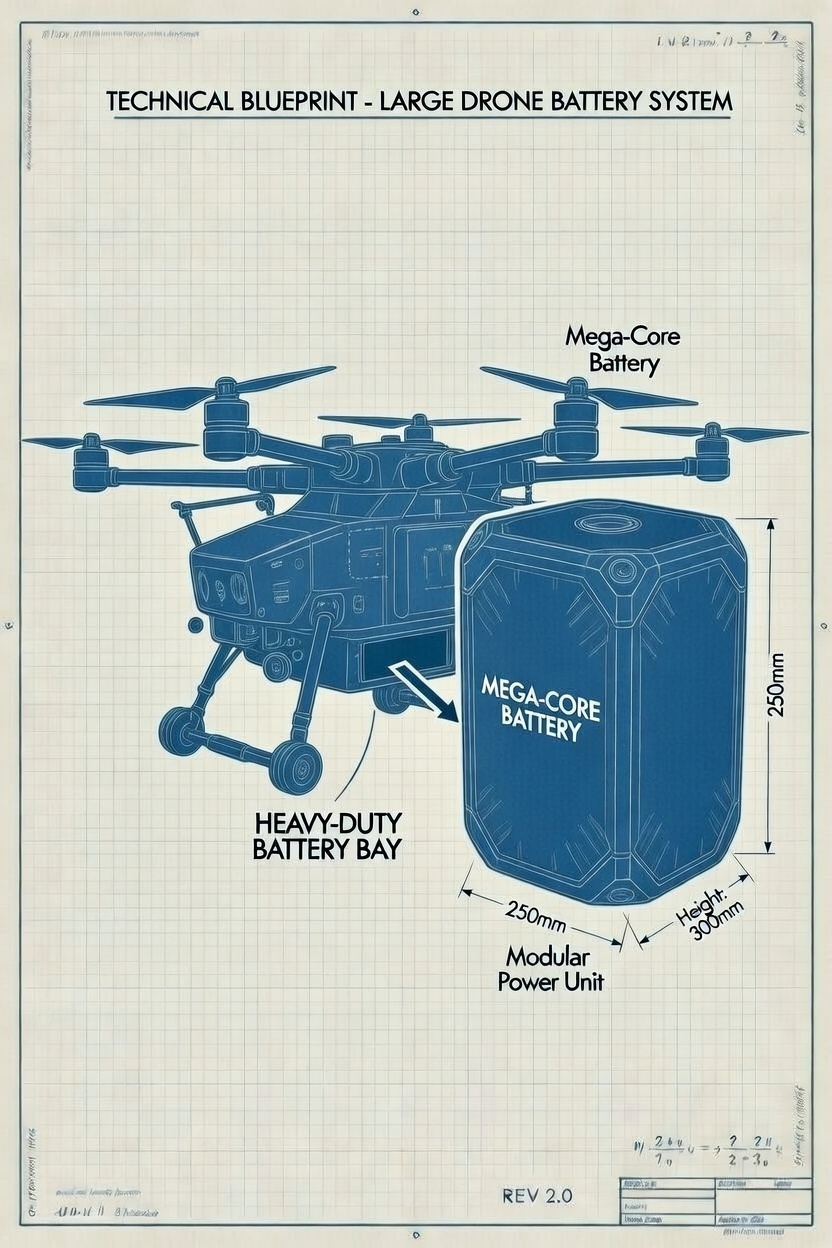
The industry is shifting from linear “take-make-dispose” models to circular economy approaches. Companies are now designing batteries for easier disassembly and recycling. CNS Battery’s modular design approach allows for component-level recycling, extending battery life by up to 30% while simplifying the recycling process.
2. Blockchain for Battery Tracking
Blockchain technology is emerging as a game-changer for battery traceability. By implementing blockchain-based tracking systems, companies can maintain an immutable record of each battery’s lifecycle, from manufacturing to recycling. This not only ensures compliance but also provides valuable data for optimizing battery performance.
3. Standardized Recycling Partnerships
Infrastructure companies are increasingly partnering with certified battery recyclers who meet international standards. The Responsible Battery Coalition (RBC), a consortium of industry leaders, has established a certification framework that ensures recyclers meet strict environmental and ethical standards.
4. Battery-as-a-Service (BaaS) Models
The BaaS model is gaining traction, where companies pay for battery performance rather than ownership. This approach shifts responsibility for end-of-life management to the battery provider, simplifying compliance for infrastructure inspection companies. Leading drone manufacturers are now offering BaaS options with integrated recycling programs.
Implementing a Sustainable Battery Management Strategy
To navigate the complex recycling landscape, infrastructure inspection companies should adopt the following best practices:
Assess Current Battery Usage: Conduct a comprehensive audit of all battery types, usage patterns, and disposal methods. Identify high-impact areas where recycling compliance can be most effectively implemented.
Develop a Battery Management Plan: Create a formal plan that includes:
- Clear recycling procedures
- Training for all personnel
- Documentation protocols
- Vendor selection criteria
- Compliance monitoring system
Partner with Certified Recyclers: Work with recyclers certified by recognized bodies like RBC or the Global Battery Alliance. Ensure they provide detailed recycling reports and meet all regional requirements.
Invest in Training and Awareness: Regularly train staff on proper battery handling, storage, and disposal procedures. Implement awareness campaigns to foster a culture of sustainability within the organization.
Leverage Technology: Implement battery management software that tracks usage, predicts replacement needs, and provides compliance documentation. Platforms like CNS Battery’s integrated battery management system offer real-time analytics and automated compliance reporting.
Case Study: A Leading Infrastructure Company’s Recycling Success
A major US infrastructure inspection firm faced increasing regulatory pressure and client demands for sustainability. They partnered with CNS Battery to implement a comprehensive battery recycling program. The results were impressive:
- 95% compliance rate with all regional regulations within six months
- 35% reduction in battery-related operational downtime
- 28% decrease in overall battery costs through optimized usage and recycling
- 40% increase in client satisfaction scores related to environmental practices
The company’s success hinged on CNS Battery’s modular battery design, which simplified the recycling process, and their integrated tracking system, which provided transparent compliance documentation.
Expert Recommendations for 2024
According to Dr. Elena Rodriguez, Sustainability Director at the Global Drone Association, “Infrastructure companies must treat battery recycling as a core operational function, not an afterthought. The most successful programs integrate recycling into the battery selection process from the beginning.”
Industry experts recommend:
- Prioritize battery design for recyclability when selecting new drone batteries
- Establish clear internal policies with measurable recycling targets
- Regularly audit your battery management program against emerging regulations
- Engage with industry associations to stay ahead of regulatory changes
- Leverage technology for seamless compliance tracking and reporting
Conclusion and Actionable Steps
As infrastructure inspection companies continue to embrace drone technology for enhanced operational capabilities, proper battery recycling compliance is no longer optional—it’s a strategic business imperative. The environmental, financial, and reputational benefits of a well-executed recycling program are clear, and the regulatory landscape is moving rapidly toward stricter requirements.
To get started with a sustainable drone battery recycling program that meets 2024 compliance standards:
- Conduct a battery usage audit to understand your current compliance status
- Evaluate battery suppliers based on their recycling programs and certifications
- Implement a tracking system for seamless compliance documentation
- Partner with a trusted battery provider that offers comprehensive recycling solutions
CNS Battery is committed to helping infrastructure inspection companies navigate the complexities of drone battery recycling compliance. Our customized battery solutions are designed with sustainability at the core, featuring modular designs that simplify recycling and integrated tracking systems that ensure regulatory compliance.
Ready to transform your drone battery management strategy? Contact CNS Battery today for a free consultation and discover how our innovative solutions can help your company meet 2024 recycling compliance requirements while enhancing operational efficiency and sustainability.
Get Your Custom Quote Now
Let us help you power your missions with compliant, sustainable drone battery solutions.