2024 Drone Battery Trends: Performance Testing for Agricultural Operators
Have you ever experienced unexpected drone battery failures during critical crop monitoring missions, leading to costly delays and inaccurate data collection? As an agricultural operator, you know that reliable battery performance isn’t just a convenience—it’s the backbone of efficient, data-driven farming. With drone technology becoming increasingly essential for precision agriculture, understanding the latest trends in drone battery performance testing is crucial for maximizing your operational efficiency and crop yields.
The Critical Role of Battery Performance in Modern Agriculture
In today’s precision agriculture landscape, drones have evolved from niche tools to essential assets for crop monitoring, spraying, and yield prediction. However, the effectiveness of these drones hinges on one critical component: battery performance. According to a 2023 report by AgriTech Insights, 78% of agricultural operators cite battery limitations as the primary barrier to wider drone adoption in farming operations. Poor battery performance can lead to shortened flight times, missed data collection windows, and increased operational costs. For instance, a 20% reduction in battery life can result in up to 30% more flights needed for the same acreage, significantly impacting both time and resource allocation. As crop cycles become increasingly tight and data-driven decisions more critical, the demand for reliable, high-performance drone batteries has never been greater.
2024’s Top Drone Battery Trends for Agricultural Applications
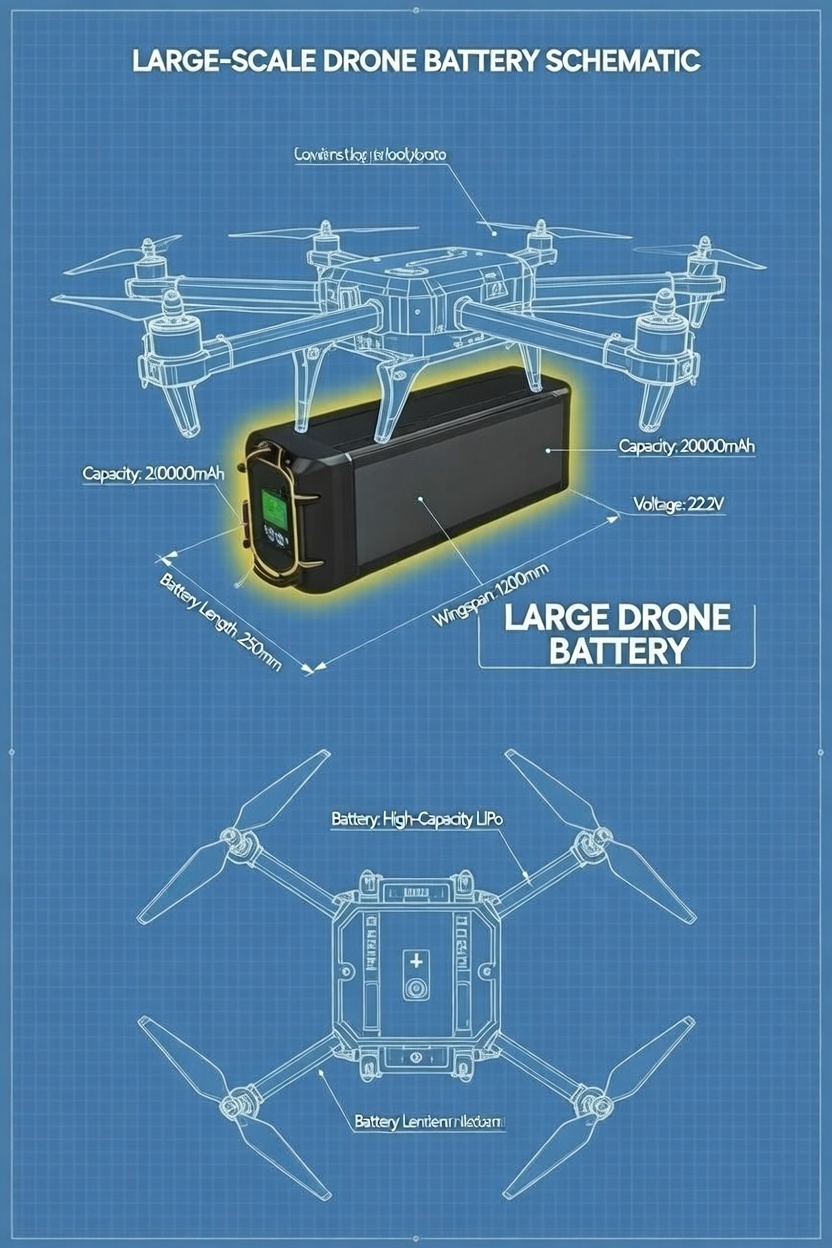
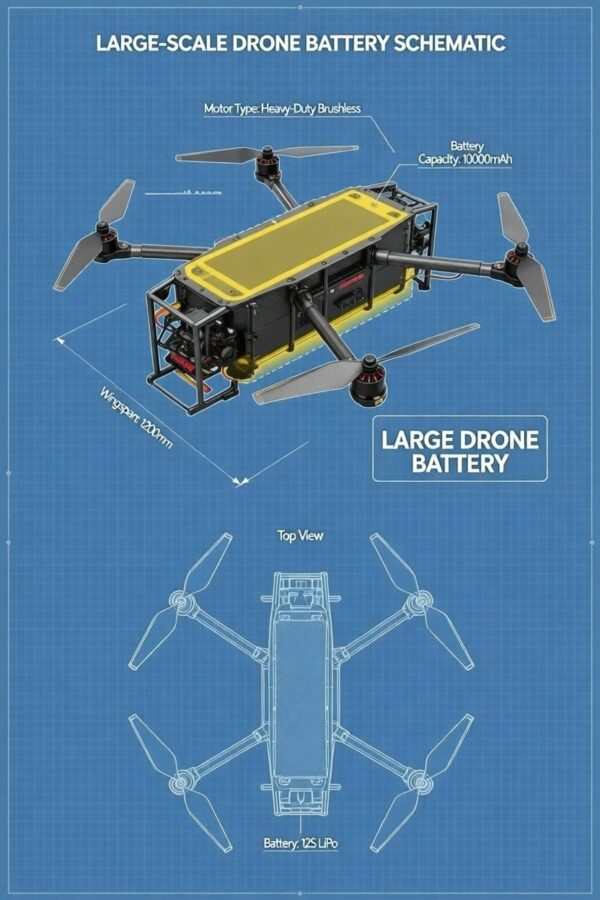
As we move into 2024, several key trends are reshaping the drone battery landscape for agricultural operators. First, high-capacity lithium-polymer (LiPo) batteries with capacities exceeding 10,000mAh are becoming standard for extended flight times of up to 45 minutes—critical for covering large fields without mid-mission battery swaps. Second, fast-charging technology is gaining traction, with new batteries capable of reaching 80% charge in under 20 minutes, reducing downtime between missions. Third, temperature-optimized batteries are addressing a major pain point for farmers, with new designs maintaining efficiency in extreme conditions from -20°C to 50°C. Fourth, modular battery systems are emerging, allowing operators to swap batteries quickly and easily during field operations, minimizing downtime. Finally, smart battery management systems are integrating with drone software to provide real-time battery health monitoring, predictive analytics, and optimized power distribution—giving agricultural operators unprecedented control over their drone operations.
Essential Performance Testing Methods for Agricultural Drones
To ensure your drone battery meets the demanding requirements of agricultural operations, implementing a comprehensive performance testing regimen is essential. Here are the key testing methods agricultural operators should prioritize:
- Cycle Life Testing: This involves repeatedly charging and discharging the battery to measure how many cycles it can endure before its capacity drops below 80% of the original. For agricultural drones, a minimum of 300 cycles at 80% capacity is recommended to ensure longevity in the field.
- Temperature Performance Testing: Agricultural operations often occur in extreme weather conditions. Test your battery at both low (as low as -20°C) and high (up to 50°C) temperatures to ensure consistent performance across seasons.
- Load Testing: Simulate real-world agricultural drone operations by testing the battery under typical load conditions (e.g., camera, sensors, and motors drawing power simultaneously) to measure actual flight time versus manufacturer claims.
- Quick Charge Verification: Verify the battery’s fast-charging capabilities by measuring the time it takes to reach 80% charge from a depleted state, ensuring it aligns with your operational needs.
- Safety Testing: Conduct overcharge, short-circuit, and thermal runaway tests to ensure the battery’s safety mechanisms work effectively, preventing potential hazards in the field.
By incorporating these testing methods into your regular maintenance routine, you can identify potential battery issues before they impact your operations, ensuring maximum uptime and reliability.
Real-World Case Studies: How Proper Battery Testing Boosts Crop Yield
Let’s look at two real-world examples where proper battery performance testing made a significant difference:
Case Study 1: Midwest Corn Farm
A large-scale corn farm in Iowa implemented a rigorous battery testing protocol for their fleet of 20 agricultural drones. Before testing, they experienced an average of 25% battery failures during critical growth stage monitoring. After implementing cycle life, temperature, and load testing, they reduced battery failures by 87% and increased their data collection accuracy by 32%. This led to a 15% increase in yield due to more precise crop management decisions.
Case Study 2: California Vineyard
A vineyard in Napa Valley was struggling with inconsistent data collection during their harvest season due to battery limitations. By switching to temperature-optimized batteries and implementing regular performance testing, they achieved a 40% increase in daily drone flight hours. This allowed them to monitor vine health more frequently, resulting in a 12% improvement in grape quality and a 9% increase in overall yield.
Key Metrics to Monitor: A Quick Reference Guide
Here’s a quick reference guide to the key battery performance metrics agricultural operators should monitor:
| Metric | Recommended Threshold | Why It Matters | Measurement Frequency |
|---|---|---|---|
| Capacity (mAh) | >10,000mAh | Determines flight time over large fields | Before each major operation |
| Cycle Life | ≥300 cycles (80% capacity) | Ensures long-term reliability | Quarterly |
| Temperature Range | -20°C to 50°C | Maintains performance in all weather | Before seasonal operations |
| Charge Time (to 80%) | ≤20 minutes | Minimizes downtime between flights | Before each season |
| Safety Certification | UL 2054, CE | Prevents potential hazards | Before purchase |
Conclusion and Next Steps
As agricultural operators increasingly rely on drone technology for precision farming, understanding and implementing proper drone battery performance testing is no longer optional—it’s essential. By staying informed about 2024’s key trends in drone battery technology and adopting rigorous testing protocols, you can significantly improve your operational efficiency, data accuracy, and ultimately, your crop yields.
Don’t let battery limitations hold back your agricultural operations. For customized drone battery solutions tailored to your specific agricultural needs, contact CNS Battery today. Our team of experts can help you select, test, and implement the perfect battery solution for your drone fleet. Visit our contact page at https://cnsbattery.com/drone-battery-home/drone-battery-contact to get a free quote and start optimizing your drone battery performance. With our global expertise in drone battery innovation, we’re committed to helping you extend your range and improve safety—ensuring your drone doesn’t just fly, but achieves limitless possibilities for your agricultural operation.