2024 Drone Battery Trends: Energy Density for Film and Aerial Photography Teams
The sun rises over a mountain ridge, casting golden light across an untouched valley. Your drone is positioned perfectly for the shot of a lifetime. Then, the low-battery warning flashes. Twenty minutes into a twelve-hour shoot day, and you’re already swapping batteries. For cinematographers and aerial photography teams, this scenario is all too familiar.
The challenge is clear: professional film production demands extended flight times, consistent power delivery, and reliable performance in varying conditions. Yet traditional drone batteries have struggled to keep pace with the evolving needs of modern aerial cinematography. As we move through 2024 and into 2025, breakthrough developments in battery energy density are transforming what’s possible for film and photography teams worldwide.
The Energy Density Revolution: What’s Changed in 2024
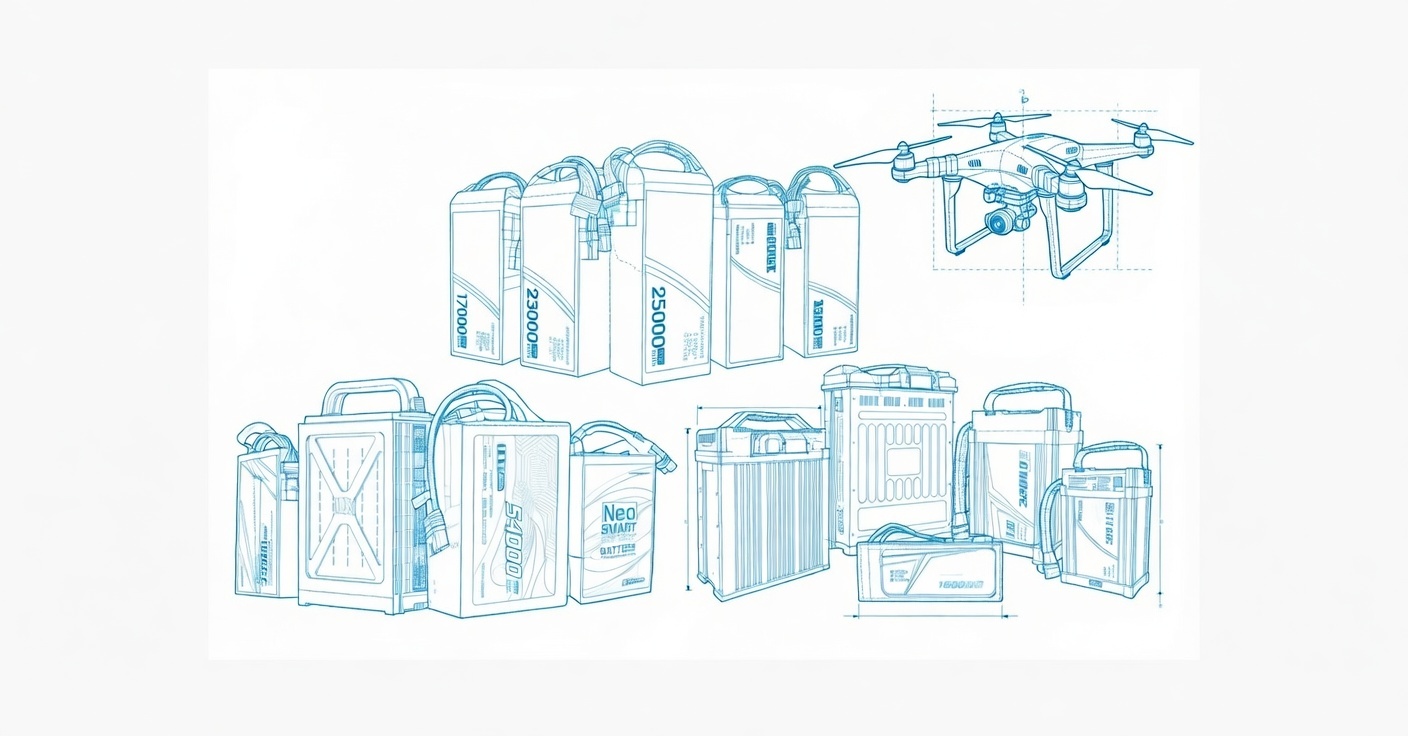
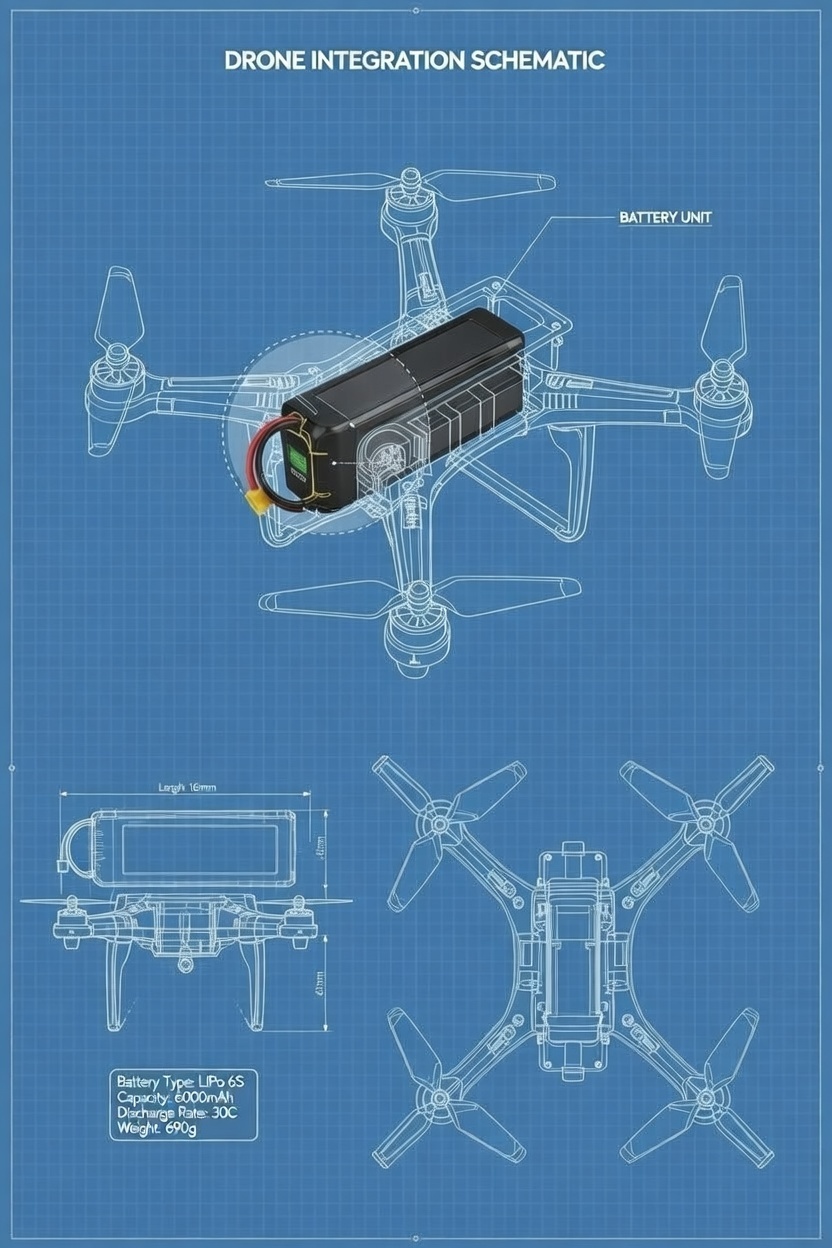
Energy density—the amount of energy stored per unit of weight—has become the critical metric defining drone battery performance. For aerial photography professionals, higher energy density directly translates to longer flight times, reduced battery swaps, and more creative freedom on set.
Current Industry Standards
According to recent market analysis from QYResearch, the civilian drone lithium battery market reached $1.439 billion in 2024, with projections indicating growth to $3.035 billion by 2031. This explosive growth is driven primarily by demands from professional sectors including film production, surveying, and inspection services.
Key Energy Density Benchmarks for 2024:
- Standard Li-Po Batteries: 200-250 Wh/kg
- High-Performance Li-Ion: 250-280 Wh/kg
- Semi-Solid State: 300-320 Wh/kg
- Emerging Solid-State: 350+ Wh/kg
The industry is actively pushing beyond the 300 Wh/kg threshold, with several manufacturers now offering semi-solid polymer batteries and solid-state prototypes claiming energy densities of 350 Wh/kg or higher.
Why Energy Density Matters for Film Production
Extended Flight Time Equals More Creative Opportunities
For cinematography teams, every minute of flight time represents potential footage. Traditional batteries typically provide 15-20 minutes of practical flight time under professional load conditions. New high-energy-density batteries are extending this to 30-40 minutes, fundamentally changing production workflows.
Real-World Impact:
- Fewer battery changes during critical shots
- Reduced need for multiple backup batteries on location
- Ability to capture longer continuous takes
- Lower overall battery inventory costs
Weight Reduction Improves Flight Stability
Higher energy density means more power in less weight. This reduction directly benefits aerial photography in several ways:
- Improved Gimbal Performance: Lighter batteries reduce stress on stabilization systems
- Enhanced Maneuverability: Critical for dynamic tracking shots
- Better Wind Resistance: Lower overall weight improves performance in challenging conditions
- Extended Payload Capacity: Room for additional cameras or sensors
Case Study: Professional Production Company Transforms Workflow
A Los Angeles-based aerial cinematography company recently transitioned from standard 220 Wh/kg batteries to 300 Wh/kg semi-solid state options. The results were transformative:
Before Transition:
- Average flight time: 18 minutes
- Batteries required per shoot day: 12-15
- Total battery weight on location: 18 kg
- Downtime for swaps: 45+ minutes daily
After Transition:
- Average flight time: 32 minutes
- Batteries required per shoot day: 7-8
- Total battery weight on location: 11 kg
- Downtime for swaps: 20 minutes daily
The production manager noted: “We’re capturing 40% more usable footage per day while carrying less equipment. The ROI was evident within the first three projects.”
Technology Breakthroughs Driving 2024 Trends
Semi-Solid State Battery Innovation
Semi-solid state technology represents the most significant advancement for professional drone applications. Companies like Grepow have introduced batteries achieving 300 Wh/kg energy density through innovative approaches:
- Dual electrolyte technology combining liquid and solid components
- High-nickel NMC cathodes for improved energy storage
- Silicon-carbon anodes enhancing capacity
- Coated separator technology improving safety and longevity
These batteries offer over 1,200 charge cycles while maintaining performance across temperature ranges from -40°C to 60°C—essential for diverse shooting locations.
Silicon Anode Technology
Amprius Technologies has demonstrated silicon anode batteries achieving 370 Wh/kg with extreme fast-charging capabilities (0-80% in under six minutes). This technology represents the cutting edge of commercial drone battery development.
Benefits for Film Teams:
- Rapid turnaround between shots
- Consistent power delivery throughout discharge cycle
- Reduced voltage sag under high load
- Extended operational lifespan
Selecting the Right Battery for Your Production Needs
Key Evaluation Criteria
When choosing drone batteries for film and aerial photography, consider these essential factors:
Performance Metrics:
- Energy density (Wh/kg)
- Discharge rate (C-rating)
- Cycle life expectancy
- Operating temperature range
Practical Considerations:
- Compatibility with existing drone platforms
- Charging infrastructure requirements
- Safety certifications and standards
- Total cost of ownership
Production-Specific Needs:
- Typical shoot duration
- Environmental conditions
- Payload requirements
- Backup power strategy
Battery Management Best Practices
Maximizing battery performance requires proper care and management:
- Storage: Maintain 40-60% charge when not in use
- Temperature Control: Avoid extreme heat or cold during storage
- Cycle Monitoring: Track charge cycles and retire batteries appropriately
- Regular Inspection: Check for physical damage before each use
- Proper Charging: Use manufacturer-recommended chargers and protocols
Market Leaders and Available Solutions
The drone battery landscape features several key manufacturers serving professional markets:
- Grepow: Leading semi-solid state solutions at 300 Wh/kg
- ATL (Amperex Technology): Major supplier with diverse product range
- Sunwoda: Competitive high-density options
- Amprius Technologies: Silicon anode innovation leader
- Tattu: Professional-grade smart battery systems
Regional distribution shows Asia-Pacific dominating approximately 40% of global sales, with polymer lithium batteries representing about 95% of the market share.
Future Outlook: What’s Next for Drone Battery Technology
Industry experts anticipate continued advancement through 2025 and beyond:
- Solid-state commercialization: Full solid-state batteries expected to reach mainstream availability
- Energy density targets: 400+ Wh/kg within reach by 2026-2027
- Smart battery integration: Enhanced communication and monitoring capabilities
- Sustainability focus: Improved recycling and environmental considerations
For film and photography teams, these developments promise even greater creative flexibility and operational efficiency.
Conclusion: Powering Your Creative Vision
The evolution of drone battery technology in 2024 represents more than incremental improvement—it’s a fundamental shift in what aerial cinematography can achieve. Higher energy density means more flight time, less downtime, and greater creative freedom for film and photography teams.
As production demands continue to evolve, partnering with knowledgeable battery suppliers becomes increasingly critical. The right battery solution can transform your workflow, reduce operational costs, and unlock new creative possibilities.
Ready to elevate your aerial production capabilities? Our team specializes in custom drone battery solutions tailored to professional film and photography requirements. We understand the unique demands of cinematography work and can help you select or develop the perfect power solution for your specific needs.
Contact us today to discuss your requirements and discover how advanced battery technology can enhance your production workflow: https://cnsbattery.com/drone-battery-home/drone-battery-contact
Explore More Resources:
- Learn about our complete drone battery product range
- Discover custom battery pack design services
- Access technical specifications and compatibility guides
- Review case studies from professional production teams
The sky is no longer the limit—it’s your canvas. With the right power solutions, your creative vision can soar higher and longer than ever before.