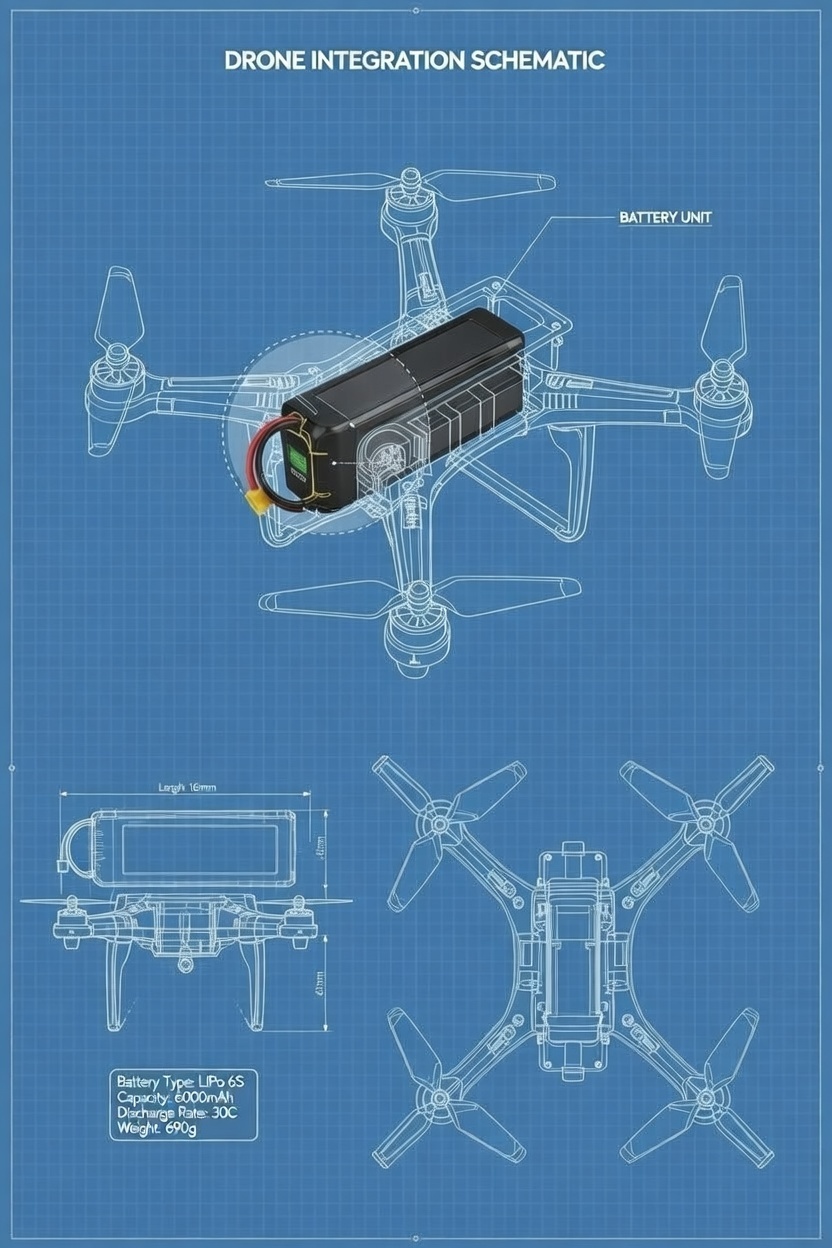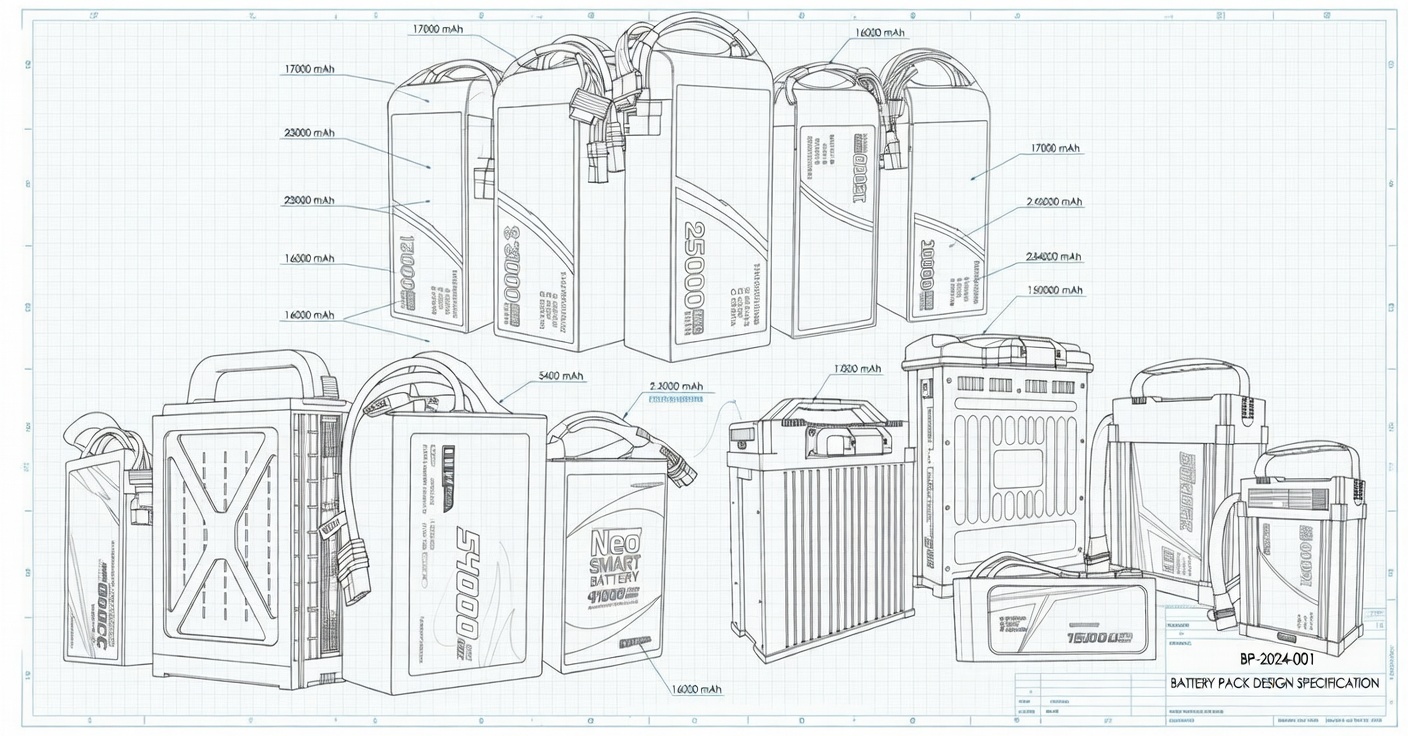
2024 Drone Battery Trends: Battery Life Cycles for Oil and Gas Pipeline Firms
The energy landscape is shifting beneath our feet, and for oil and gas pipeline firms, the ground zero of this transformation lies in the skies above their infrastructure. Drone technology has evolved from a novelty to a necessity, but the true workhorse powering this aerial revolution remains the battery. In 2024, understanding battery life cycles isn’t just about flight time—it’s about operational efficiency, cost reduction, and safety compliance. This article explores the critical trends shaping drone battery performance, offers actionable management strategies, and reveals how pipeline firms can maximize their investment in aerial inspection technology.
The Critical Role of Drone Batteries in Pipeline Operations
Pipeline infrastructure spans thousands of miles across diverse terrains, from arid deserts to frozen tundras. Traditional inspection methods require ground crews, heavy equipment, and significant time investments. Drones have changed this equation dramatically, but their effectiveness hinges entirely on battery performance.
In 2024, the industry is witnessing a paradigm shift. Battery technology is no longer measured solely by capacity or voltage. The focus has moved to cycle life, thermal management, and real-world degradation patterns. For oil and gas firms, this means the difference between completing a 50-mile inspection route with one battery set versus needing three separate charging cycles.
The stakes are higher than ever. A battery failure mid-inspection isn’t just an inconvenience—it can mean missed defect detection, regulatory compliance issues, and potentially catastrophic safety oversights. Understanding battery life cycles has become a core competency for pipeline operations managers.
2024 Battery Technology Trends Reshaping the Industry
Lithium Polymer Evolution
The dominant battery chemistry for industrial drones continues to be lithium polymer (LiPo), but 2024 has brought significant refinements. New electrode coatings and electrolyte formulations are extending cycle life by 30-40% compared to 2022 standards. For pipeline firms, this translates to fewer battery replacements and lower total cost of ownership.
Smart Battery Management Systems
Modern drone batteries now incorporate sophisticated battery management systems (BMS) that monitor individual cell health, temperature gradients, and discharge patterns. These systems provide predictive analytics, warning operators before battery performance degrades below acceptable thresholds. This proactive approach prevents unexpected failures during critical inspection missions.
Cold Weather Performance Breakthroughs
Pipeline operations often occur in extreme environments. Traditional batteries lose 40-50% of their capacity in sub-zero temperatures. 2024 innovations include self-heating battery packs and advanced thermal insulation, maintaining 85-90% performance even at -20°C. This breakthrough enables year-round inspection capabilities in northern regions.
Maximizing Battery Life Cycles: Management Best Practices
The gap between theoretical battery specifications and real-world performance often comes down to management practices. Pipeline firms that implement systematic battery care protocols see 50% longer usable life from their battery investments.
Key Management Strategies
- Implement Rotation Schedules: Never use the same battery pack for consecutive flights. Rotate through multiple sets to allow proper cooling and cell recovery between cycles.
- Monitor Storage Conditions: Store batteries at 40-60% charge in temperature-controlled environments. Extreme heat accelerates degradation, while complete discharge damages cell chemistry.
- Track Cycle Counts: Maintain detailed logs of charge-discharge cycles for each battery pack. Replace batteries after 300-500 cycles, even if they appear functional.
- Conduct Regular Capacity Tests: Perform monthly capacity verification flights to identify degrading batteries before they fail during critical operations.
- Use Manufacturer-Approved Chargers: Third-party chargers may not match the specific charging profiles your batteries require, leading to uneven cell balancing and reduced lifespan.
Environmental Considerations
Pipeline inspections expose batteries to dust, moisture, and temperature extremes. Protective cases and proper cleaning protocols extend battery life significantly. After each mission, inspect battery connectors for corrosion and clean with appropriate solvents.
Cost-Benefit Analysis: Investing in Quality Battery Systems
The temptation to cut costs on battery purchases is understandable, but the long-term economics favor quality investments. Premium battery systems from reputable manufacturers cost 20-30% more upfront but deliver 60-80% longer service life.
Consider this calculation: A budget battery pack priced at $800 might last 250 cycles. A premium pack at $1,200 could deliver 500 cycles. Over two years of operations, the premium option reduces replacement frequency by half, saving both money and operational downtime.
For oil and gas firms managing drone fleets across multiple sites, these savings compound rapidly. Reduced battery failures mean fewer interrupted inspections, lower emergency replacement costs, and more predictable maintenance budgets.
Safety and Compliance Implications
Regulatory bodies are increasing scrutiny on drone operations in critical infrastructure sectors. Battery safety has become a compliance requirement, not just an operational consideration. Firms must demonstrate proper battery handling, storage, and disposal procedures during safety audits.
Thermal runaway incidents, while rare, can have severe consequences. Modern battery systems include multiple safety layers: overcharge protection, short-circuit prevention, and thermal cutoff switches. Ensure your drone fleet incorporates these features and that operators receive comprehensive safety training.
Documentation matters. Maintain records of battery purchases, cycle counts, capacity tests, and retirement dates. This documentation proves due diligence during regulatory inspections and insurance assessments.
Future-Proofing Your Drone Battery Strategy
The battery technology landscape continues evolving rapidly. Firms should build flexibility into their drone operations to accommodate future battery innovations. Modular drone designs that accept multiple battery types provide this adaptability.
Consider establishing partnerships with battery manufacturers who offer upgrade paths. Some suppliers provide trade-in programs for older battery packs, reducing the cost of adopting new technology. Stay informed about emerging chemistries like lithium-sulfur and solid-state batteries, which promise even greater energy density and safety.
Taking Action: Optimize Your Pipeline Inspection Operations Today
The difference between industry leaders and followers often comes down to operational details. Battery management might seem like a technical footnote, but it directly impacts inspection quality, operational costs, and safety outcomes. Pipeline firms that master battery life cycle management gain competitive advantages in efficiency and reliability.
Don’t let outdated battery practices limit your drone program’s potential. Evaluate your current battery management protocols against the best practices outlined in this article. Identify gaps, implement improvements, and track results systematically.
Ready to elevate your drone battery strategy?
Explore our industrial drone battery specifications at https://cnsbattery.com/drone-battery-home/drone-battery/ to find solutions designed for pipeline inspection demands. Learn battery maintenance best practices at https://cnsbattery.com/drone-battery-home/drone-battery-help-center/ and ensure your fleet operates at peak performance.
Visit our homepage at https://cnsbattery.com/drone-battery-home to discover the full range of aviation-grade power solutions. Have specific questions about your application? Contact our technical team directly at https://cnsbattery.com/drone-battery-home/drone-battery-contact for personalized consultation.
The skies above your pipeline infrastructure hold valuable data. Ensure your batteries are ready to capture it, flight after flight, year after year. The future of pipeline inspection is airborne—and it’s powered by intelligent battery management.