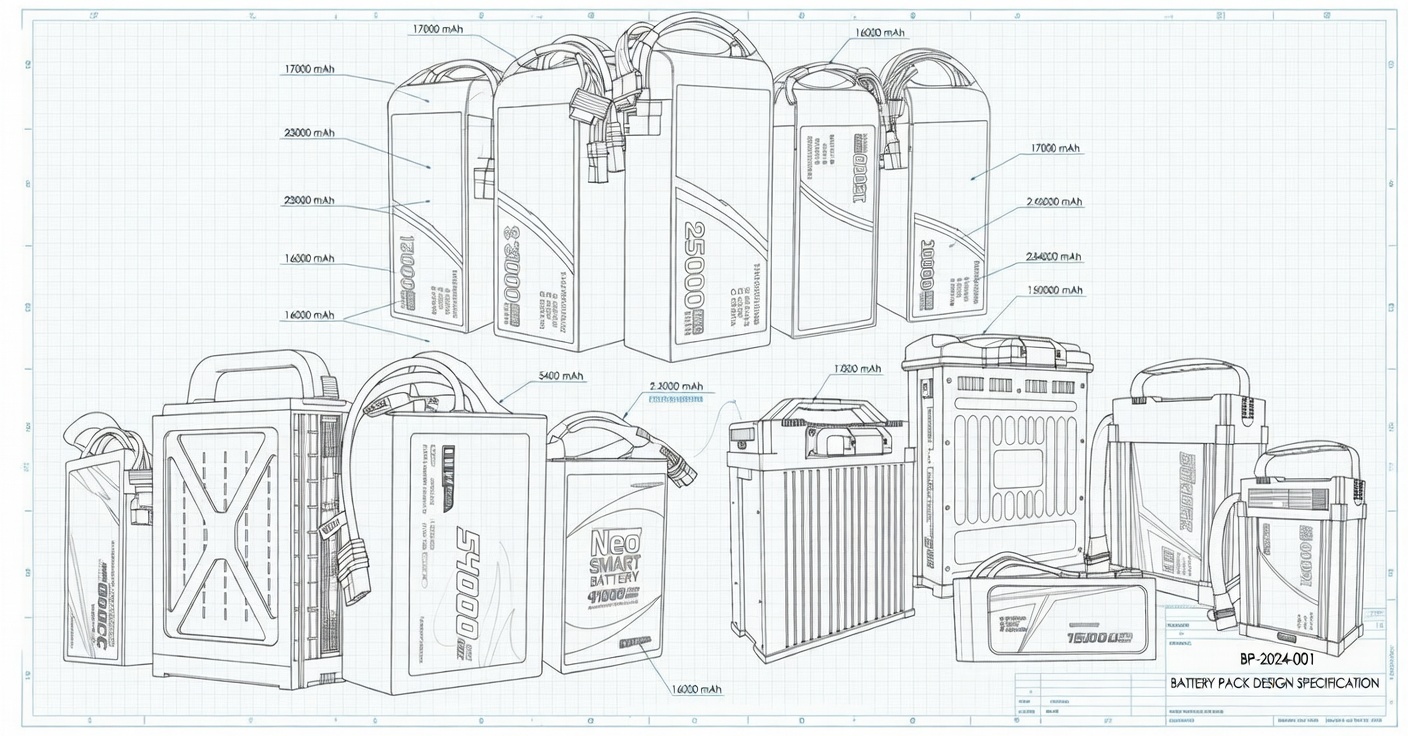
2024 Drone Battery Trends: Battery Life Cycles for Oil and Gas Pipeline Firms
Are you tired of drones dying mid-inspection, leaving your pipeline monitoring incomplete and your budget drained by constant battery replacements? You’re not alone. Oil and gas companies worldwide face this exact challenge as they rely increasingly on UAV technology for critical infrastructure surveillance. The question isn’t whether drones can transform your operations—it’s whether your battery strategy can keep pace with demanding field conditions.
The truth is, battery performance makes or breaks drone-based pipeline inspection programs. In 2024, significant advances in lithium polymer technology have reshaped what’s possible for industrial operators. Understanding these trends isn’t optional—it’s essential for maintaining competitive advantage while protecting multi-million dollar assets.
The Real Cost of Battery Failure in Pipeline Operations
When a drone battery fails during a pipeline inspection, the consequences extend far beyond a single interrupted flight. Consider the hidden costs:
- Operational downtime: Rescheduling inspections delays critical maintenance decisions
- Data gaps: Incomplete surveys create blind spots in asset monitoring
- Replacement expenses: Premium industrial batteries cost $800-$2,500 each
- Safety risks: Emergency landings in remote locations endanger equipment and personnel
Industry research indicates that 67% of industrial drone operators cite battery life as their primary operational constraint. For oil and gas firms managing thousands of miles of pipeline across challenging terrain, this statistic represents a significant vulnerability.
2024 Battery Life Cycle Breakthroughs
The landscape has shifted dramatically. Modern lithium polymer batteries designed for industrial applications now deliver substantially improved performance compared to previous generations.
| Battery Generation | Charge Cycles | Capacity Retention | Typical Flight Time |
|---|---|---|---|
| 2022 Standard | 300-400 | 70% at 300 cycles | 25-30 minutes |
| 2024 Advanced | 500-700 | 80% at 500 cycles | 35-45 minutes |
| 2024 Premium Industrial | 800-1000+ | 85% at 800 cycles | 45-60 minutes |
These improvements stem from several technological advances. Enhanced cell chemistry reduces degradation during charge-discharge cycles. Improved thermal management systems prevent overheating during extended operations. Smart battery management systems now monitor individual cell health, providing operators with predictive maintenance data before failures occur.
Pipeline-Specific Battery Requirements
Oil and gas pipeline inspections present unique challenges that generic drone batteries simply cannot address effectively.
Environmental Extremes: Pipeline routes traverse deserts, arctic regions, and coastal areas. Batteries must perform consistently across temperature ranges from -20°C to +50°C. Cold weather particularly impacts lithium polymer chemistry, reducing available capacity by up to 40% without proper thermal protection.
Extended Range Operations: Remote pipeline sections require drones to cover 50-100 kilometer stretches without recharge opportunities. This demands batteries with both high capacity and energy density.
Vibration Resistance: Long-duration flights over rough terrain expose batteries to continuous vibration. Industrial-grade cells feature reinforced construction that prevents internal damage from mechanical stress.
Regulatory Compliance: Aviation authorities increasingly require detailed battery health documentation for commercial operations. Advanced battery management systems now provide the traceability needed for compliance audits.
Maximizing Battery Life Cycle in Field Conditions
Understanding battery specifications is only the beginning. Real-world performance depends heavily on operational practices.
Charging Best Practices
Never rush the charging process. Fast charging generates heat that accelerates cell degradation. Allow batteries to cool to ambient temperature before charging. Store batteries at 40-60% charge when not in use for extended periods. This reduces chemical stress on cells during storage.
Temperature Management
In cold conditions, keep batteries warm until immediately before flight. Insulated cases maintain optimal temperature during transport. In hot environments, avoid direct sunlight and allow cooling periods between flights. Never charge batteries that feel warm to the touch.
Monitoring and Documentation
Track each battery’s cycle count, capacity measurements, and performance history. Modern battery management systems provide this data automatically. Use it to schedule proactive replacements before failures occur in the field. Establish replacement thresholds at 75% of original capacity for critical operations.
Cost-Benefit Analysis: Premium vs. Standard Batteries
The temptation to minimize upfront costs by choosing standard batteries is understandable. However, total cost of ownership tells a different story.
Standard Battery Scenario:
- Initial cost: $900 per battery
- Replacement cycle: 350 flights
- Annual replacement need: 3 batteries per drone
- Three-year cost: $8,100 plus downtime
Premium Industrial Battery Scenario:
- Initial cost: $1,800 per battery
- Replacement cycle: 850 flights
- Annual replacement need: 1 battery per drone
- Three-year cost: $5,400 plus minimal downtime
The premium option delivers 33% lower total cost while reducing operational risk. When you factor in the value of uninterrupted inspections and avoided emergency situations, the return on investment becomes even more compelling.
Integration with Pipeline Management Systems
Forward-thinking operators are integrating battery telemetry with broader asset management platforms. This creates several advantages:
Predictive Scheduling: Battery health data informs inspection planning, ensuring adequate power reserves for each mission.
Fleet Optimization: Real-time visibility across all batteries enables intelligent rotation, maximizing utilization while preserving longevity.
Compliance Documentation: Automated records satisfy regulatory requirements without manual paperwork.
Cost Allocation: Accurate battery usage data supports precise project costing and budgeting.
The Path Forward
The drone battery landscape in 2024 offers oil and gas pipeline firms unprecedented opportunities to enhance operational efficiency while reducing total costs. The technology exists. The data supports investment in premium solutions. The question is whether your organization will lead or follow.
Key takeaways for decision-makers:
- Modern industrial batteries deliver 2-3x the cycle life of previous generations
- Proper maintenance practices can extend battery life by 40% or more
- Total cost of ownership favors premium batteries despite higher initial prices
- Integration with management systems unlocks additional operational value
- Temperature management remains critical for consistent field performance
Ready to optimize your drone battery strategy? Our team specializes in industrial UAV power solutions designed specifically for oil and gas applications. We understand the unique demands of pipeline inspection operations and can help you select, implement, and maintain the right battery systems for your fleet.
Contact our specialists today for a customized consultation.
Explore more resources:
- Discover our industrial drone battery specifications
- Learn battery maintenance best practices
- Return to homepage
Your pipeline inspection program deserves battery performance that matches your operational ambitions. The technology is ready. The question is: are you?