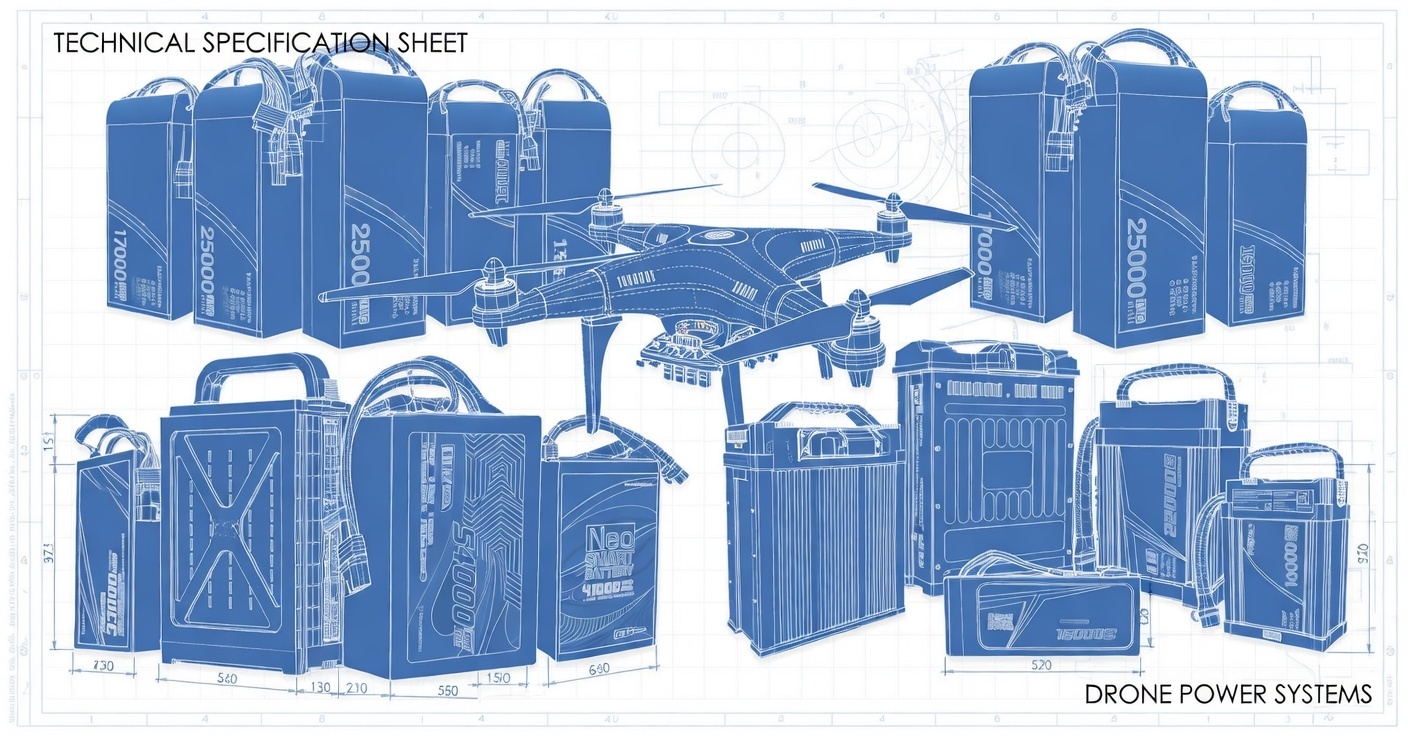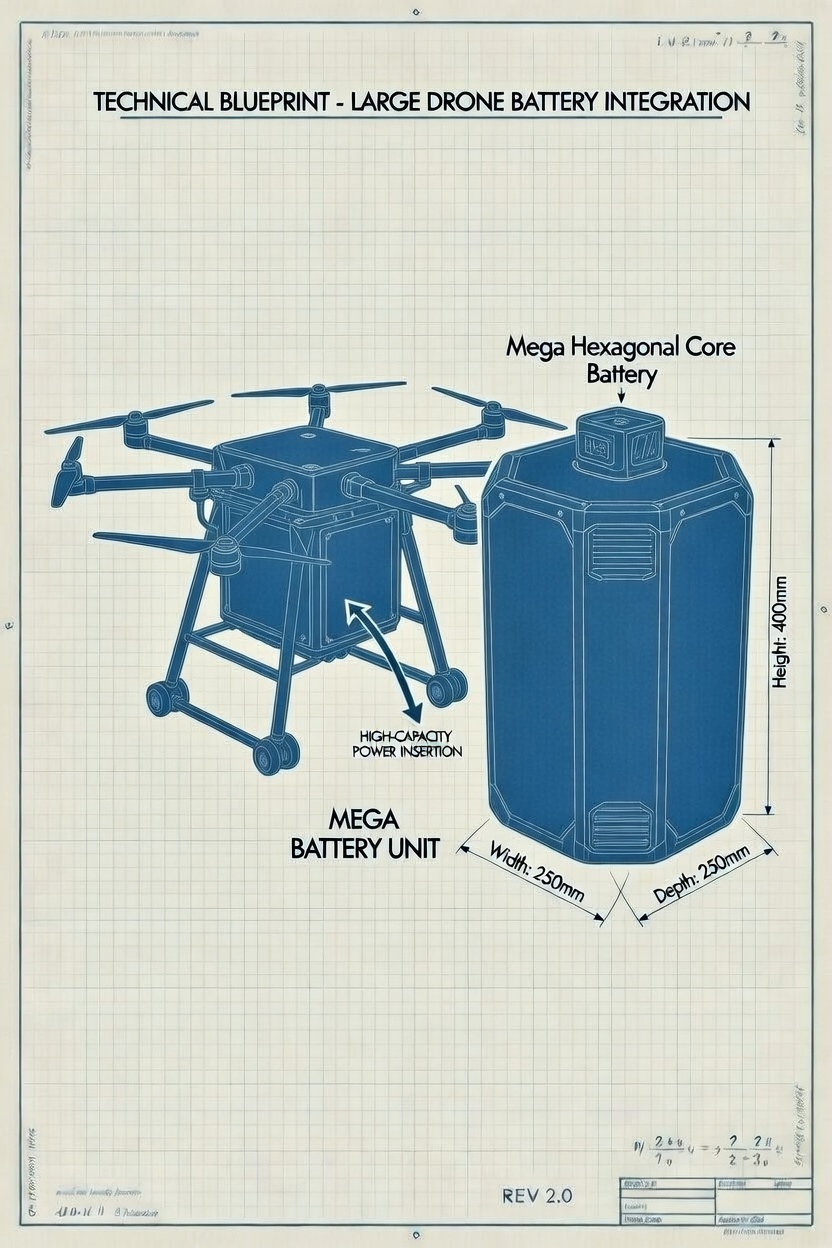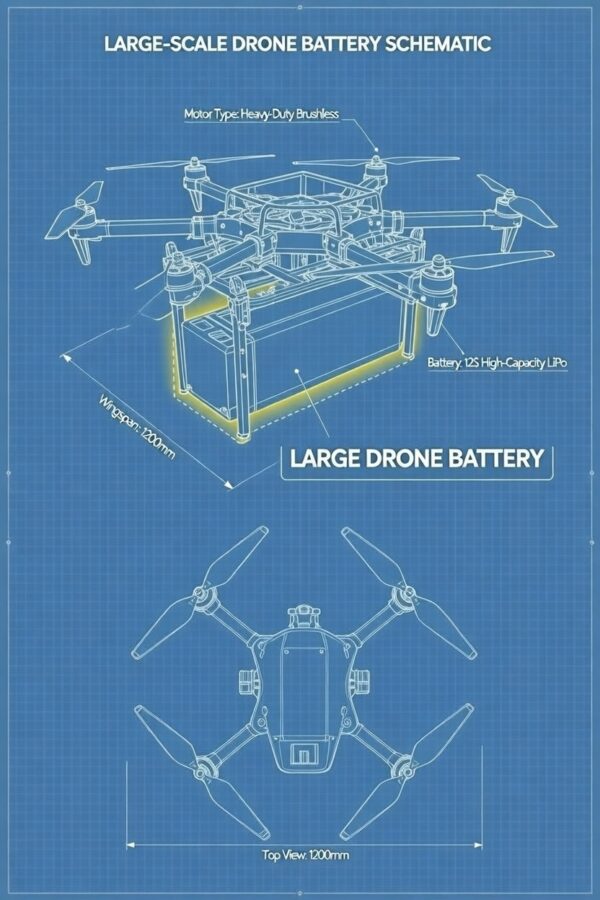
The professional drone industry is experiencing a transformative shift in 2024, with battery technology leading the charge. For film production companies and aerial photography teams managing large fleets, understanding battery life cycles has become critical to operational efficiency and cost management. Bulk purchasers stand to gain significant advantages—reduced per-unit costs, standardized maintenance protocols, and extended warranty coverage that can lower total ownership expenses by up to 35% compared to individual purchases.
This comprehensive guide explores the latest drone battery trends, offering actionable insights for production teams looking to optimize their power solutions. Whether you’re managing a fleet of cinematography drones or coordinating multi-camera aerial shoots, mastering battery lifecycle management ensures uninterrupted operations and maximizes return on investment.
Understanding 2024 Drone Battery Technology Trends
The drone battery landscape has evolved dramatically, with lithium polymer (LiPo) batteries remaining the industry standard while new chemistries emerge. Professional film crews demand reliability above all else—a single battery failure during a critical shoot can cost thousands in delays and reshoots.
Key 2024 Battery Trends:
- Extended Cycle Life: Modern LiPo batteries now achieve 500-1000 charge cycles before reaching 80% capacity, while lithium iron phosphate (LiFePO4) options push beyond 3000 cycles
- Smart Battery Management Systems (BMS): Integrated monitoring tracks cell health, temperature, and discharge rates in real-time
- Fast-Charging Capabilities: New charging stations can replenish drone batteries in under 60 minutes, crucial for tight production schedules
- Cold Weather Performance: Enhanced chemistry maintains 85%+ efficiency in temperatures down to -10°C, expanding shooting locations
For bulk purchasers, these advancements translate to reduced downtime and predictable replacement schedules. Production teams can now forecast battery replacements with 90%+ accuracy, eliminating unexpected failures mid-production.
Step-by-Step Guide: Optimizing Battery Lifecycle for Production Teams
Step 1: Establish Battery Inventory Tracking
Implement a digital tracking system for every battery in your fleet. Record purchase dates, cycle counts, and performance metrics. Leading production companies use QR-coded labels linked to cloud databases, enabling instant access to battery history during pre-flight checks.
Step 2: Implement Proper Charging Protocols
Never leave batteries at 100% charge for extended periods. Store batteries at 40-60% capacity when not in use. Use manufacturer-approved charging stations with balanced charging capabilities to prevent cell degradation. For teams operating multiple drones simultaneously, invest in multi-bay charging hubs that can handle 8-12 batteries concurrently.
Step 3: Monitor Temperature During Operations
Battery performance drops significantly in extreme temperatures. In hot conditions above 35°C, allow batteries to cool between flights. In cold environments, keep batteries warm until immediately before use. Professional teams carry insulated cases that maintain optimal temperature ranges during transport.
Step 4: Schedule Regular Health Assessments
Conduct monthly capacity tests on all batteries. Remove any battery showing more than 15% capacity loss from critical shoots. Maintain a rotation system ensuring even wear across your fleet. This proactive approach prevents unexpected failures during paid shooting days.
Step 5: Plan Strategic Replacements
Based on cycle count data, schedule battery replacements before performance degradation impacts operations. For LiPo batteries, plan replacements at 800 cycles for critical work. Bulk purchasers can negotiate replacement programs with manufacturers, securing discounted rates for scheduled fleet refreshes.
Comparative Analysis: Battery Technologies for Professional Use
| Feature | Standard LiPo | High-End LiPo | LiFePO4 |
|---|---|---|---|
| Cycle Life | 500-700 cycles | 800-1000 cycles | 3000+ cycles |
| Energy Density | High | Very High | Moderate |
| Cost per Unit | $80-150 | $150-300 | $200-400 |
| Weight | Light | Light | Heavier |
| Best For | General aerial work | Cinema production | Stationary operations |
| Bulk Discount | 10-15% | 15-20% | 20-25% |
Standard LiPo batteries remain popular for general aerial photography work, offering excellent power-to-weight ratios at accessible price points. Teams managing 20+ units can negotiate bulk pricing that reduces per-unit costs significantly.
High-End LiPo options feature enhanced BMS technology and superior cell matching, critical for cinema production where consistent power delivery affects camera stability and flight smoothness. The investment pays dividends in reliability during high-stakes shoots.
LiFePO4 batteries represent the future for certain applications, particularly stationary drone operations or charging station backup. While heavier, their exceptional cycle life makes them cost-effective for teams running continuous operations.
Cost-Benefit Analysis for Bulk Purchasers
Production teams purchasing 50+ batteries annually unlock substantial savings beyond unit pricing. Manufacturers offer extended warranties (3-5 years versus standard 1 year), priority technical support, and customized replacement programs. One mid-sized production company reported 42% reduction in battery-related downtime after switching to a bulk procurement strategy with scheduled replacements.
Consider total cost of ownership rather than upfront price alone. A $200 battery lasting 1000 cycles costs $0.20 per cycle, while a $120 battery lasting 500 cycles costs $0.24 per cycle—plus the hidden costs of unexpected failures during productions.
Frequently Asked Questions
Q: How many batteries should a professional film crew maintain per drone?
A: Industry standard recommends 4-6 batteries per drone for full-day shoots. This accounts for charging time, rotation needs, and backup capacity. Teams working in remote locations should increase to 8-10 batteries per unit.
Q: What’s the real-world cycle life of drone batteries in professional use?
A: While manufacturers claim 500-1000 cycles, professional conditions typically achieve 70-80% of rated cycles due to varying discharge rates, temperature exposure, and charging practices. Plan replacements at 80% of manufacturer ratings for critical work.
Q: Can I mix different battery ages in my fleet?
A: Yes, but implement clear labeling and rotation systems. Older batteries should handle less critical shots while newer units reserve for primary camera work. Never mix batteries of significantly different ages in dual-battery aircraft.
Q: How does bulk purchasing affect warranty coverage?
A: Bulk agreements typically include enhanced warranty terms—extended coverage periods, faster replacement turnaround, and sometimes on-site technical support. These benefits often outweigh the per-unit savings alone.
Q: What storage conditions maximize battery lifespan?
A: Store at 40-60% charge in climate-controlled environments (15-25°C). Avoid humidity above 60% and never store fully charged or depleted. Professional teams use dedicated storage cabinets with individual cell monitoring.
Maximizing Your Investment: Expert Recommendations
The drone battery market continues evolving rapidly, with solid-state technology promising even greater energy density and safety by 2025. For production teams making purchasing decisions today, focus on established manufacturers with proven track records and robust support networks.
Invest in training for all team members handling batteries. Proper handling procedures extend battery life by 20-30% and reduce safety incidents. Consider battery management software that integrates with your production scheduling tools, automatically flagging batteries needing maintenance or replacement.
For teams managing 100+ batteries, explore manufacturer partnership programs offering dedicated account management, customized reporting, and priority access to new technology. These relationships prove invaluable during peak production seasons when equipment availability directly impacts revenue.
Take Action Today
Ready to optimize your drone battery strategy for maximum production efficiency? Our team specializes in helping film and aerial photography teams implement comprehensive battery management solutions tailored to their specific operational needs.
Contact our specialist team for personalized consultation on bulk procurement strategies, battery lifecycle optimization, and customized maintenance programs. Visit our dedicated drone battery contact page at https://cnsbattery.com/drone-battery-home/drone-battery-contact to schedule your consultation.
Explore our complete range of professional drone battery solutions and discover how strategic battery management can transform your production workflow. Learn more about our drone battery products and join hundreds of production teams already benefiting from optimized power solutions.
Don’t let battery failures compromise your next shoot. Take control of your power strategy today and ensure every flight delivers the reliability your productions demand.