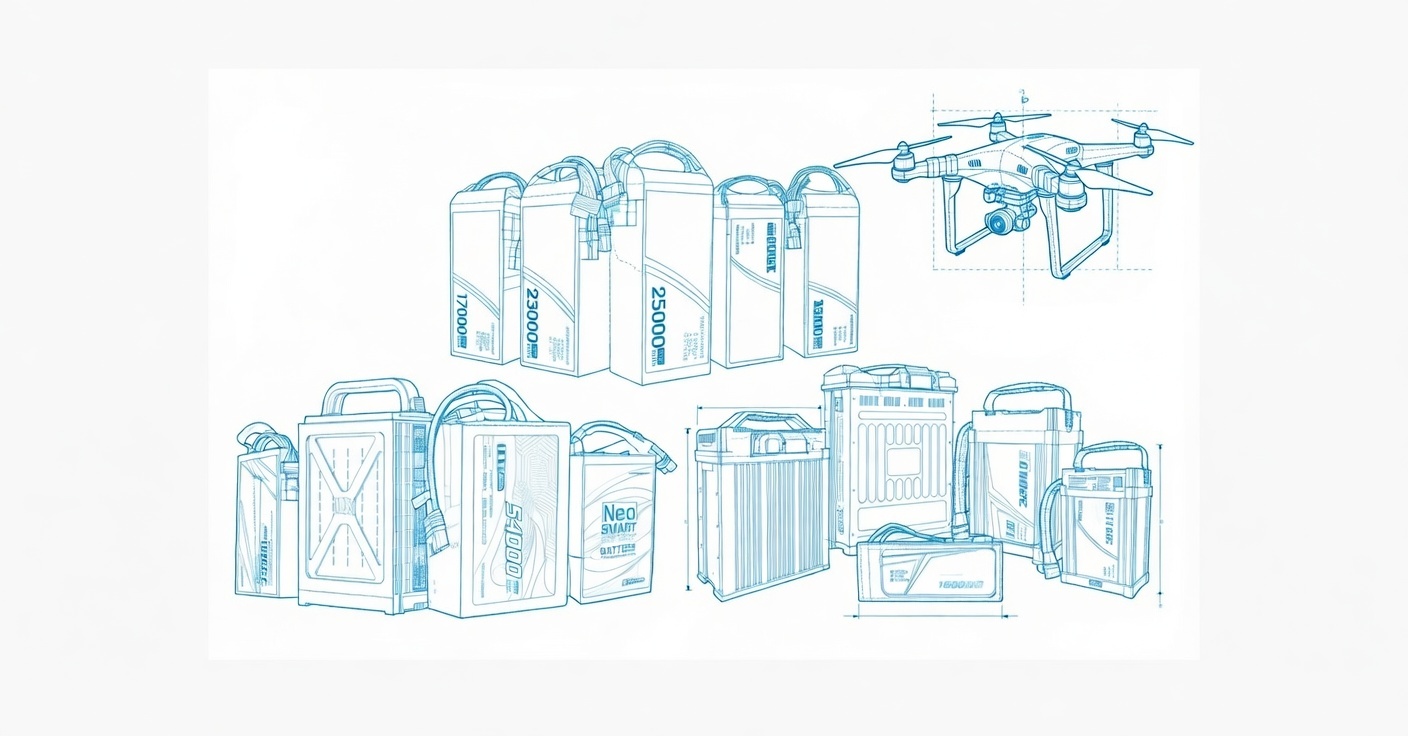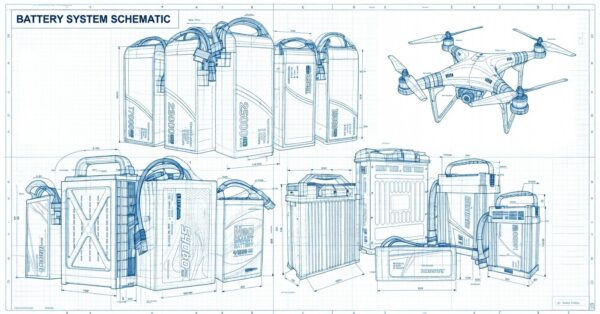
The agricultural industry is experiencing a remarkable transformation, and at the heart of this revolution lies a critical component that often goes unnoticed: the drone battery. For agricultural operators worldwide, understanding battery life cycles has become essential to maximizing efficiency, reducing operational costs, and ensuring sustainable farming practices. As we navigate through 2024, new trends in drone battery technology are reshaping how farmers approach aerial crop management, precision spraying, and field monitoring.
The Competitive Advantage of Modern Drone Batteries
Agricultural drone operators who invest in understanding battery life cycles gain significant competitive advantages over traditional farming methods. Modern lithium-based drone batteries offer unprecedented performance metrics that directly impact farm productivity. Unlike conventional equipment, drone systems powered by advanced battery technology can cover hundreds of acres in a single day while consuming minimal energy resources.
The primary advantage lies in operational continuity. With proper battery management, agricultural operators can maintain uninterrupted flight schedules throughout critical planting and harvesting seasons. This reliability translates to timely pesticide application, accurate crop health assessments, and optimized irrigation planning. Farms utilizing well-maintained drone battery systems report up to 35% reduction in operational downtime compared to those neglecting battery lifecycle management.
Cost efficiency represents another compelling benefit. A single high-quality agricultural drone battery can endure 600+ charge cycles when properly maintained, equivalent to approximately three years of regular farm operations. This longevity dramatically reduces replacement costs and minimizes environmental waste from discarded battery units. Forward-thinking agricultural operators calculate battery cost per flight hour rather than upfront purchase price, revealing the true value proposition of premium battery investments.
2024 Battery Technology Trends Transforming Agriculture
The year 2024 marks a pivotal moment in agricultural drone battery evolution. Several groundbreaking trends are emerging that directly benefit farm operators seeking maximum performance from their aerial equipment.
Solid-State Battery Integration represents the most significant advancement. Traditional lithium-polymer batteries are gradually being replaced by solid-state alternatives offering higher energy density and improved safety profiles. These batteries operate effectively across wider temperature ranges, from -20°C to 55°C, making them ideal for diverse agricultural environments spanning from cold northern grain fields to hot southern orchards.
Smart Battery Management Systems (BMS) have become standard features in 2024’s premium agricultural drone batteries. These intelligent systems monitor individual cell health, balance charging rates, and predict remaining cycle life with remarkable accuracy. Farm operators receive real-time notifications about battery status through connected mobile applications, enabling proactive maintenance scheduling before critical failures occur.
Fast-Charging Technology has reduced typical charging times from 90 minutes to under 45 minutes for most agricultural drone batteries. This improvement allows operators to complete more flight missions per day during peak seasonal periods. Some advanced charging stations now support simultaneous charging of multiple battery packs, further enhancing operational throughput for large-scale farming operations.
Understanding Battery Life Cycles: A Comprehensive Guide
Battery life cycle comprehension forms the foundation of successful agricultural drone operations. A single charge cycle completes when operators use 100% of battery capacity, regardless of whether this occurs in one flight or multiple shorter missions. Understanding this concept helps farmers optimize their charging practices and extend overall battery lifespan.
Most agricultural drone batteries maintain optimal performance through 500-800 complete charge cycles. However, actual lifespan depends heavily on operating conditions, charging habits, and storage practices. Batteries regularly exposed to extreme temperatures or consistently drained to zero capacity may experience significantly reduced cycle counts, sometimes falling below 400 cycles before noticeable performance degradation occurs.
The discharge depth directly influences cycle longevity. Batteries regularly discharged to 20% remaining capacity typically achieve 30% more total cycles compared to those routinely drained completely. Agricultural operators should plan flight missions to return with approximately 25-30% battery reserve, balancing operational efficiency with long-term battery health.
Step-by-Step Guide: Maximizing Your Drone Battery Lifespan
Step 1: Initial Battery Conditioning
When receiving new drone batteries, complete three full charge-discharge cycles before regular operational use. This conditioning process activates all battery cells evenly and establishes accurate capacity readings within the battery management system. Document the initial flight time for future performance comparisons.
Step 2: Optimal Charging Practices
Always charge batteries in climate-controlled environments between 15°C and 25°C. Avoid charging immediately after flights when batteries remain warm from operation. Allow 30-45 minutes cooling time before connecting to chargers. Use only manufacturer-approved charging equipment to prevent voltage irregularities that damage internal cell structures.
Step 3: Strategic Storage Solutions
For batteries not in daily use, maintain charge levels between 50-60% during storage. Completely charged or fully depleted batteries experience accelerated degradation during extended storage periods. Store batteries in fireproof containers within dry, temperature-stable locations away from direct sunlight and metallic objects.
Step 4: Regular Performance Monitoring
Establish weekly battery health checks throughout operating seasons. Record flight times, charging durations, and any unusual behavior such as excessive heat generation or rapid voltage drops. Compare current performance against baseline measurements from initial conditioning to identify early warning signs of battery deterioration.
Step 5: Rotation System Implementation
Develop a battery rotation schedule when operating multiple packs. Number each battery and alternate usage systematically to ensure even wear distribution. This practice prevents individual batteries from accumulating disproportionate cycle counts while others remain underutilized.
Real-World Example: Midwest Corn Farm Operation
Consider Johnson Family Farms, a 2,500-acre corn operation in Iowa implementing comprehensive battery lifecycle management. The farm operates three agricultural drones equipped with six battery packs each, totaling 18 batteries across their fleet.
Before implementing structured battery management, Johnson Farms experienced average battery lifespan of 18 months, requiring annual replacement costs exceeding $8,000. After adopting the step-by-step guidelines outlined above, their average battery lifespan extended to 34 months, reducing annual battery expenses to $4,200 while maintaining identical operational capacity.
The farm’s battery rotation system ensures each pack completes approximately 4-5 cycles weekly during peak season rather than concentrating usage on favorite batteries. Temperature-controlled charging stations prevent heat-related degradation during hot summer months. Digital tracking spreadsheets monitor individual battery performance, enabling proactive replacements before field failures disrupt critical spraying schedules.
This systematic approach generated $3,800 in annual savings while eliminating unexpected equipment downtime during time-sensitive agricultural windows. The Johnson family now views battery management as essential farm infrastructure rather than optional equipment maintenance.
Maintenance Best Practices for Agricultural Operators
Seasonal preparation significantly impacts battery longevity. Before spring planting seasons, inspect all batteries for physical damage, swelling, or connector corrosion. Clean charging contacts with appropriate electronics cleaners and verify charging equipment functionality. Pre-season testing flights help identify underperforming batteries before they compromise field operations.
During active farming periods, establish post-flight battery protocols. Allow adequate cooling time before charging, inspect for physical damage from field debris, and log performance metrics consistently. Never leave batteries charging unattended overnight or during extended absences from equipment storage areas.
End-of-season storage requires special attention. Before winter storage, charge all batteries to 50-60% capacity and store in climate-controlled environments. Check stored batteries monthly, adjusting charge levels if they drift outside the optimal storage range. Proper winter storage can preserve 90% of battery capacity for the following growing season.
The Future of Agricultural Drone Battery Technology
Looking beyond 2024, emerging technologies promise even greater improvements for agricultural operators. Hydrogen fuel cell drones, like the record-setting “Tianmushan-1” achieving 188 kilometers on a single charge, represent potential game-changers for large-scale farming operations requiring extended flight times. While currently expensive, decreasing production costs may make hydrogen power viable for commercial agriculture within five years.
Artificial intelligence integration within battery management systems will enable predictive maintenance capabilities, alerting operators to potential failures weeks before they occur. Machine learning algorithms analyze usage patterns to recommend optimal charging schedules based on weather forecasts and planned flight missions.
Conclusion: Investing in Battery Knowledge Pays Dividends
Agricultural operators who master drone battery life cycle management position themselves for sustained success in precision farming. The combination of reduced operational costs, increased equipment reliability, and improved environmental sustainability creates compelling reasons to prioritize battery education and maintenance protocols.
The transition from viewing batteries as disposable components to treating them as valuable long-term assets separates successful agricultural drone operations from struggling ones. As battery technology continues evolving throughout 2024 and beyond, staying informed about latest developments ensures farm operators maximize their technology investments.
For agricultural operators seeking expert guidance on drone battery selection, maintenance protocols, or lifecycle optimization strategies, professional consultation provides invaluable support. Visit our dedicated contact page at https://cnsbattery.com/drone-battery-home/drone-battery-contact to connect with battery specialists who understand the unique demands of agricultural drone operations. Their expertise helps farms navigate the complex landscape of battery technology choices, ensuring optimal performance throughout every growing season.
The future of agriculture depends on technology, and technology depends on reliable power. By mastering battery life cycles today, agricultural operators secure their competitive position for tomorrow’s farming challenges.