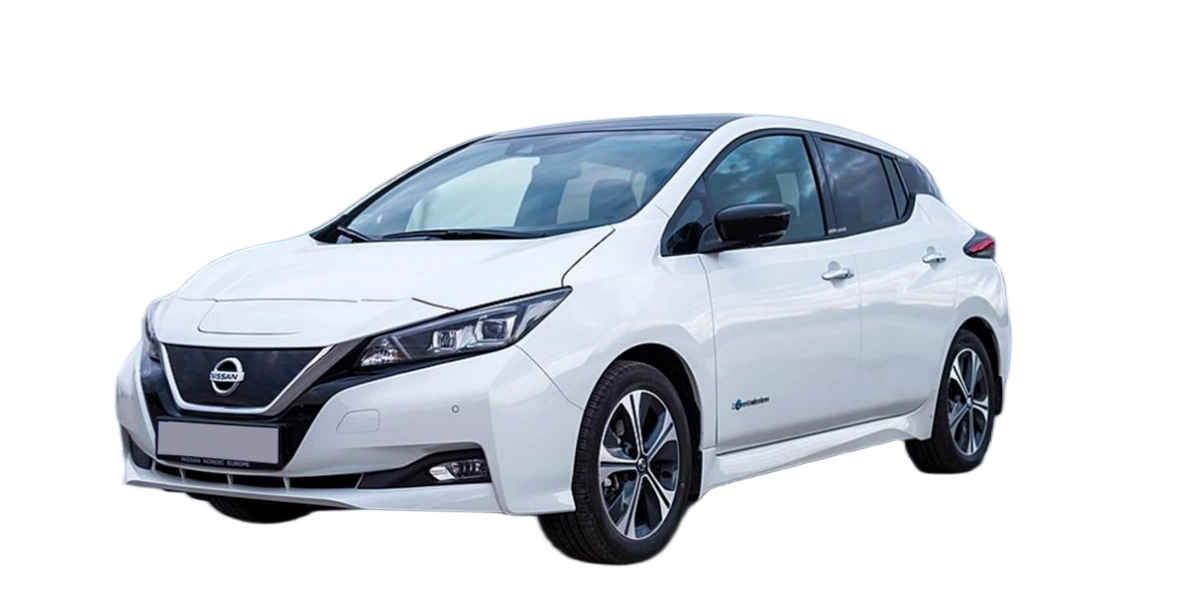
2013 Nissan Leaf New Battery Upgrade Cost Analysis: Save 50% with OEM Alternatives
The 2013 Nissan Leaf (ZE0) is a beloved pioneer in the electric vehicle (EV) market. However, as these cars age, the original battery packs often face significant degradation, leaving owners with drastically reduced range. If you’re facing the “battery dilemma” with your 2013 Leaf, you’re likely weighing the high cost of a Nissan OEM replacement against the risks of a used or refurbished pack.
This guide provides a detailed cost-benefit analysis of upgrading your 2013 Leaf’s battery, focusing on high-quality, new OEM-compatible alternatives that offer the best value for money.
Why Upgrade Your 2013 Leaf’s Battery?
The 2013 Nissan Leaf originally came with a 24 kWh battery pack. After a decade of use, these packs often retain only 50-60% of their original capacity. This means your car might only be driving 60-80 miles on a good day, which is often insufficient for modern commuting needs.
The Reality of 2013 Leaf Batteries:
- Degradation: Most packs have reached their chemical end-of-life.
- Swelling: Old LMO (Lithium Manganese Oxide) cells are prone to swelling, which can damage the Battery Management System (BMS) and module brackets.
- Replacement Urgency: Continuing to drive on a degraded pack can lead to 12V battery drain issues and potential failure while driving.
Cost Comparison: OEM vs. Refurbished vs. New OEM-Compatible
When deciding how to fix your car, you typically have three options. Let’s break down the financial and practical implications of each.
| Option | Estimated Cost (USD) | Pros | Cons |
|---|---|---|---|
| Nissan OEM Replacement | $12,000 – $16,000 | Factory warranty, plug-and-play | Prohibitively expensive; often more than the car’s value. |
| Used/Refurbished | $2,000 – $4,000 | Cheap upfront cost | High risk of imminent failure; unknown cell health; potential swelling. |
| New OEM-Compatible (e.g., CNS) | $6,000 – $8,500 | Brand new cells; 50% savings; Long warranty | Requires minor research to find a reputable supplier. |
Analysis: For a 2013 model, spending $16,000 on a Nissan OEM pack is rarely financially viable. While a used battery is tempting due to the low price, you are essentially buying someone else’s worn-out components. The sweet spot is the New OEM-Compatible route, where you get brand new, high-quality cells (like CATL) at half the price of the dealer.
The “Plus-Up” Strategy: Upgrading from 24kWh to 40kWh/62kWh
One of the most compelling financial moves for a 2013 Leaf owner is not just replacing the battery, but upgrading the capacity. Because the 2013 Leaf (ZE0) shares the same chassis and BMS communication protocols as the later ZE1 models, you can physically and electronically fit a larger pack.
The Math Behind the Upgrade:
- Original State: 24 kWh = ~75 miles range (used).
- 40 kWh Upgrade: New CATL cells = ~140 miles range.
- 62 kWh Upgrade: New CATL cells = ~200+ miles range.
Financial Insight: The cost difference between a new 40 kWh pack and a 62 kWh pack is often only $1,500 – $2,000. By paying a little extra, you effectively turn your 2013 Leaf into a modern EV with double the range of a brand new base-model Leaf. This “plus-up” strategy maximizes your return on investment by future-proofing the vehicle.
Hidden Costs and Considerations
Before you pull the trigger on a purchase, consider these often-overlooked factors:
- Installation: If you are not a DIY mechanic, professional installation can cost $500-$1,000. This is a significant but necessary cost for safety.
- Shipping: Lithium batteries are classified as dangerous goods (UN 3480). International shipping via DDP (Delivered Duty Paid) services like DHL or FedEx is expensive but essential to avoid customs headaches.
- Taxes and Duties: Depending on your country (e.g., Europe or Australia), import taxes can add 10-20% to the final cost.
Why Choose a New OEM-Compatible Battery?
Choosing a new battery from a specialized manufacturer like CNS BATTERY offers distinct advantages over the alternatives:
- Zero Cycle Count: Unlike refurbished batteries pulled from salvage yards, a new pack starts at 100% health.
- Superior Chemistry: Modern OEM-compatible batteries often use more stable NMC (Nickel Manganese Cobalt) chemistry compared to the older LMO cells found in 2013 models. This results in better thermal management and longer lifespan.
- Warranty Security: A reputable supplier offers a substantial warranty (e.g., 2 years / 80,000 km), providing peace of mind that a used battery simply cannot match.
Frequently Asked Questions (FAQ)
1. Will a new battery fit my 2013 Leaf without modifications?
Yes. A high-quality OEM-compatible battery is designed to meet the exact OEM standards for dimensions, voltage, and interface matching. It should be a direct drop-in replacement requiring no chassis modifications.
2. How long does the installation take?
For a professional technician, the installation typically takes 1-2 hours. The process involves disconnecting the old pack, removing the brackets, installing the new battery, and reconnecting the cables. Most suppliers provide step-by-step video guides for reference.
3. What kind of range can I expect after the upgrade?
If you upgrade to a 40 kWh or 62 kWh pack, you can expect a full charge range of approximately 140 miles (40 kWh) or 200+ miles (62 kWh) in ideal conditions. Real-world range, accounting for weather and driving habits, will likely be between 110-180 miles.
4. Is it worth replacing the battery on such an old car?
From a pure financial standpoint, if you can acquire a new 62 kWh pack for around $8,000, you are essentially buying a car with 200 miles of range for the price of a used economy car. If the rest of the car’s chassis and interior are in good condition, this is often a smarter investment than buying a new depreciating asset.
Ready to Revive Your Leaf?
Don’t let battery degradation kill a good car. Upgrading your 2013 Nissan Leaf with a new, high-capacity battery is the most sustainable and cost-effective way to get back on the road with confidence.
Get Your Free Custom Quote Today
Find out exactly how much you can save by switching to a premium OEM-compatible solution. Our experts will help you select the perfect capacity (40kWh, 62kWh, or 68kWh) for your driving needs.